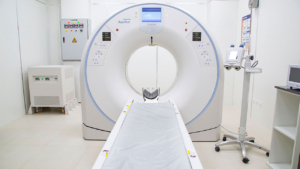
A contrast media safety checklist systematically evaluates patient risk factors before administering iodinated or gadolinium-based agents during diagnostic imaging. This screening prevents adverse reactions by identifying contraindications, assessing kidney function, reviewing medication interactions, and confirming preparation steps.
Pre-administration protocols have become standard practice as the global contrast media market reached $6.65 billion in 2024. The U.S. CT and MRI contrast media market represented $2.08 billion in 2024, with projections reaching $3.17 billion by 2030.
Key Takeaways
- Pre-administration safety checklists reduce moderate-to-severe contrast reactions through systematic allergy history and renal function review
- Proper contrast agent selection—matching osmolarity and formulation to patient risk—lowers complication rates significantly
- Electronic health record integration improves checklist compliance but requires strong staff training and workflow compatibility
- Only 2.3% of hospital sites achieve appropriate safety screening standards, revealing widespread implementation gaps
- Patient education before MRI and CT procedures reduces scan cancellations and improves preparation compliance
What Is a Contrast Media Safety Checklist and Why Does It Matter?
What Is the Purpose of a Pre-Administration Safety Checklist?
A pre-administration safety checklist includes risk-factor screening, allergy history, renal function review, metformin verification, pregnancy screening, informed consent, contrast selection, and fasting confirmation. These steps ensure clinicians identify high-risk patients before contrast administration, allowing appropriate agent selection or alternative imaging strategies.
The global contrast media market is projected to reach $9.5 billion by 2029, driven by increased CT and MRI procedure volumes. Healthcare compliance software supporting these protocols represents an additional $3.46 billion market in 2024, growing at 11.6% annually through 2030.
What Are the Risks That Pre-Administration Screening Is Designed to Prevent?
Adverse reactions range from mild itching and hives to severe anaphylaxis requiring immediate intervention. Kidney complications can occur when iodinated contrast agents are given to patients with renal impairment, potentially causing contrast-induced nephropathy. Pregnancy risks arise if contrast is administered unknowingly to pregnant patients, particularly during first-trimester organogenesis.
Metformin interactions with iodinated contrast create lactic acidosis risk in patients with compromised renal function. Allergic reactions vary from minor skin reactions to life-threatening respiratory distress and cardiovascular collapse, making thorough pretreatment for IV contrast allergies essential.
The Pre-Administration Contrast Media Safety Checklist
Step 1: Screen Patient Risk Factors
Screening identifies individuals with elevated comorbidity profiles requiring modified protocols. This assessment flags patients with prior contrast reactions, renal disease, cardiac conditions, diabetes, asthma, or conditions increasing reaction probability. Documenting risk factors allows radiologists to select safer contrast agents and prepare emergency equipment.
Comorbidities elevating risk include poorly controlled asthma, severe cardiovascular disease, and multiple medication allergies. Patients with prior reactions require risk-benefit analysis and possible premedication protocols. Staff must verify complete risk-factor documentation before contrast administration.
Step 2: Review Allergy History
Allergy assessment during pre-administration screening predicts which patients face higher hypersensitivity reaction risks. Clinicians document prior contrast media reactions with specific details about timing, symptoms, severity, and required interventions. A history of asthma, allergic rhinitis, or atopic conditions increases baseline risk.
Patients reporting prior reactions require detailed questioning to distinguish true hypersensitivity from physiologic responses like nausea or warmth. An allergy assessment must differentiate between mild and severe reactions requiring alternative imaging. Documentation standards require recording specific agent names when reactions occurred.
Step 3: Assess Renal Function
A renal function check before contrast prevents nephropathy in patients with kidney impairment through laboratory testing and eGFR calculation. Review kidney function test results before gadolinium-based contrast to identify nephrogenic systemic fibrosis risk. Gadavist (gadobutrol, Bayer) requires documented eGFR verification prior to MRI administration.
Despite these requirements, 62.3% of MRI patients remain unaware of kidney-function testing needs. Many centers lack guidelines for identifying high-risk patients, creating inconsistent practices. A renal function check must occur within an appropriate timeframe, typically 30 to 90 days for stable patients.
Step 4: Review Metformin Use and Timing
A medication review for metformin prevents lactic acidosis in diabetic patients receiving iodinated contrast by identifying when medication holds are necessary. Clinicians determine whether metformin hold protocols apply based on the patient’s eGFR and institutional guidelines. Patients with normal kidney function typically continue metformin, while those with reduced eGFR may require temporary discontinuation.
A medication review must document metformin dosage, timing of last dose, and planned resumption schedule. Current evidence supports less restrictive metformin protocols than older guidelines, but facilities maintain varied approaches. Staff verifies patients understand metformin instructions and resumption timing.
Step 5: Conduct Pregnancy Screening
Pregnancy screening prevents inadvertent fetal radiation exposure and potential contrast-related risks during vulnerable developmental periods. Facilities apply protocols for reproductive-age patients, including pregnancy testing, last menstrual period documentation, or signed acknowledgment forms. Screening approaches vary by modality, with stricter protocols for CT due to ionizing radiation.
Pre-administration protocols must balance thoroughness with patient dignity and workflow constraints. Potentially pregnant patients require discussion of risks, benefits, and alternative diagnostic approaches. Pregnancy screening results and consent become part of the permanent medical record.
Step 6: Select the Appropriate Contrast Agent and Dose
Iodinated Contrast Agents (CT)
Selecting appropriate contrast type and dose based on indication and patient risk optimizes diagnostic quality while minimizing adverse reaction probability. Omnipaque (iohexol, GE HealthCare) requires pre-screening for renal function and allergy history before IV administration. This low-osmolar nonionic agent is widely used across routine CT applications.
Visipaque (iodixanol, GE HealthCare) is an iso-osmolar iodinated agent preferred for patients with elevated renal or cardiac risk. It requires the same pre-administration safety screening despite its favorable osmolarity profile. Proper imaging equipment leasing arrangements ensure facilities maintain access to multiple contrast formulations.
Gadolinium-Based Contrast Agents (MRI)
Gadavist (gadobutrol, Bayer) requires documented eGFR verification prior to MRI administration because of nephrogenic systemic fibrosis risk in severely impaired patients. This macrocyclic gadolinium-based contrast agent demonstrates strong diagnostic performance and a favorable safety profile. Dosing calculations must account for patient weight and specific MRI protocol requirements.
Dotarem (gadoterate meglumine, Guerbet) is a macrocyclic GBCA requiring renal function review and MRI safety screening. Macrocyclic agents demonstrate greater molecular stability than linear formulations, reducing gadolinium deposition concerns. Magnevist (gadopentetate dimeglumine, Bayer) is a Group I linear GBCA carrying the highest NSF risk classification and requiring rigorous screening.
Oral Iodinated Contrast (CT)
Gastrografin (diatrizoate meglumine/diatrizoate sodium) is a water-soluble oral iodinated contrast requiring specific patient preparation instructions. Patients receive detailed guidance about timing, dilution, refrigeration, and consumption schedules to ensure adequate bowel opacification. Oral contrast adds complexity to pre-appointment instructions and requires clear communication about arrival time, fasting, and hydration.
Healthcare facilities must provide written instructions that patients can reference before scheduled appointments. Oral contrast protocols vary by clinical indication. Staff verifies patients understand instructions during scheduling and confirm compliance upon arrival.
Step 7: Verify Fasting and Preparation Requirements
Nearly all hospitals—98.3%—require fasting before iodinated contrast to reduce aspiration risk if vomiting occurs during acute reactions. Facilities verify fasting requirements through patient interview and documentation review. Pre-appointment instructions specify fasting duration, typically four to six hours for solid food while allowing clear liquids closer to appointment time.
Detailed arrival time guidance helps CT patients plan their day and complete the required preparation. Hydration guidance encourages adequate water intake before and after contrast to support renal clearance. Clear instructions reduce scan cancellations when patients arrive inadequately prepared for administering IV iodinated contrast media safely.
Step 8: Obtain and Document Informed Consent
Informed consent before contrast administration ensures patients understand potential risks, benefits, and alternative options. Documentation includes patient screening results, risk factor identification, chosen contrast agent, and acknowledgment of discussed complications. Facilities maintain audit trails for regulatory compliance and quality assurance.
Consent must occur early enough to allow meaningful patient questions. Staff verifies patients comprehend the presented information. Signed consent forms become part of the permanent medical record, creating legal documentation that proper protocols were followed.
Step 9: Confirm Emergency Preparedness
Checking emergency kit availability before contrast administration ensures rapid response capability if acute reactions occur. Imaging departments maintain stocked emergency kits in accessible locations near CT and MRI scanners. These kits contain medications, airway equipment, and diagnostic tools needed to stabilize patients experiencing reactions.
Ensuring epinephrine is readily available remains the most important emergency preparedness element because severe anaphylaxis requires immediate intramuscular epinephrine. Nearly all hospitals—98.3%—keep emergency agents in the CT room, while 87.7% specifically maintain epinephrine availability. Regular checks prevent critical delays during emergencies.
How Does Pre-Administration Screening Reduce Adverse Reactions?
What Role Do Allergy History and Renal Function Play in Risk Reduction?
Identifying allergy history reduces moderate-to-severe contrast reactions by allowing clinicians to select alternative agents or implement premedication protocols. Patients with documented prior reactions receive modified approaches, including different contrast formulations, prophylactic medications, or non-contrast imaging. Systematic screening captures allergy information that might otherwise remain unknown until adverse events occur.
Renal function review prevents contrast-induced nephropathy in at-risk patients through dose adjustment, agent selection, and hydration optimization. Despite widespread awareness, many centers lack adequate adverse reaction handling protocols. Facilities implementing comprehensive screening programs demonstrate lower complication rates than institutions with fragmented approaches.
How Does Contrast Agent Selection Reduce Patient Risk?
Matching agent osmolarity and formulation to patient profile lowers reaction rates by reducing physiologic stress and hypersensitivity triggers. Iso-osmolar agents like Visipaque and macrocyclic GBCAs like Dotarem are preferred for high-risk populations because of improved safety margins. Agent selection decisions must balance diagnostic requirements with patient-specific risk factors.
Linear GBCAs such as Magnevist require stricter screening due to NSF risk, particularly in patients with severe renal impairment. Modern contrast development has produced formulations with progressively better safety profiles, but no agent is completely risk-free. Facilities adopting MRI contrast injector safety protocols demonstrate improved consistency in agent selection and dose calculation accuracy.
How to Implement the Checklist: EHR Integration and Staff Training
What Are the Best Practices for Integrating the Checklist With EHR Systems?
The healthcare compliance software market reached $3.46 billion in 2024 and continues growing at 11.6% annually through 2030, reflecting increasing demand for digital protocol management. Electronic systems offer standardization and audit trails that improve accountability but present usability challenges when poorly designed. Successful EHR integration requires workflow analysis to embed checklist elements at appropriate decision points without creating excessive documentation burden.
Software pricing varies significantly based on facility size and features, with basic solutions starting around $300 monthly. Enterprise software ranges from $1,000 to $5,000 or more monthly, depending on user count and integration complexity. Urban settings demonstrate 74% certified EHR adoption compared to 64% in rural areas, with rural facilities showing 21% lower implementation odds.
How Can Staff Training Increase Checklist Compliance and Confidence?
Only 58.6% of young radiologists are familiar with adverse-reaction safety protocols, while just 30.4% feel confident in primary management of acute reactions. This confidence gap exists despite 95.8% expressing a strong desire to improve knowledge and emergency response capabilities. A survey of 454 young radiologists from 48 countries revealed that these competency concerns persist across international boundaries.
Facilities must verify staff competency and training status regularly. Formal MRI technologist education programs exceed $5,000 for comprehensive curricula, with the University of Utah MRI program totaling $5,670. Ongoing preventive maintenance best practices extend to staff competency maintenance through regular refresher training and simulation exercises.
What Patient Communication Tools Enhance Checklist Effectiveness?
A striking 80.7% of MRI patients want more information before their scan, while 86.3% specifically seek information from healthcare professionals rather than online sources. Patient understanding remains uneven, particularly regarding kidney function testing requirements. Effective communication tools include visual aids, written instructions, pre-appointment phone calls, and web-based educational modules.
Research on technology adoption priorities shows job relevance at 28.7% and usefulness at 27.9% lead decision-making factors for safety interventions. Workflow compatibility at 22.1% and ease of use at 21.3% also significantly influence consistent utilization. Facilities investing in comprehensive staff training on medical imaging equipment see improved patient communication outcomes and reduced preparation-related cancellations.
What Are the Common Challenges in Pre-Contrast Safety Screening and How Are They Solved?
How Can Checklist Complexity and Form Fragmentation Be Addressed?
Only 2.3% of hospital sites achieve appropriate ratings on comprehensive 49-item safety checklists, while 97.7% receive merely moderate scores. This performance gap reflects real-world implementation challenges where theoretical best practices exceed practical execution capabilities. Policy fatigue from overly complex checklists causes staff to develop workarounds or skip steps.
Version control problems plague paper-based systems, where outdated forms circulate alongside current protocols. Facilities address these challenges through checklist consolidation that preserves essential elements while eliminating redundant questions. Electronic systems with forced-field logic ensure critical items receive attention while allowing flexibility for routine low-risk cases.
What Strategies Improve Provider Awareness and Competency?
Staff confidence gaps in reaction management persist even among providers working regularly with contrast agents. Lack of emergency preparedness stems partly from infrequent severe reaction exposure, making it difficult to maintain sharp response skills. Simulation-based training creates realistic practice scenarios without exposing real patients to risks.
Regular competency assessments identify knowledge gaps before they contribute to adverse events. Facilities implementing systematic training programs demonstrate improved protocol adherence and faster emergency responses. Peer observation and feedback sessions help staff learn from near-misses and actual incidents.
How Can Better Patient Education Reduce Scan Cancellations?
Patient anxiety from inadequate preparation information frequently leads to last-minute scan cancellations. One-size-fits-all instructions can misfire for specific populations with different literacy levels, language preferences, or cultural backgrounds. Tailored communication strategies using teach-back methods confirm patient comprehension rather than assuming understanding.
Pre-appointment phone calls allow patients to ask questions and clarify confusing preparation requirements. Visual instruction sheets help patients who struggle with text-heavy documents understand fasting, hydration, and arrival requirements. Facilities measuring preparation compliance rates identify specific instruction gaps requiring revised communication approaches.
Who Uses the Pre-Administration Safety Checklist?
What Are the Demographics of the Radiology Workforce?
The mean age of radiology department workforce members is 33.66 years, indicating a relatively young professional population implementing contrast safety protocols. Gender distribution shows 54% male workforce composition, while role distribution reveals 79.5% radiographers and 20.5% assistant radiologists. These demographics suggest that checklist tools must accommodate technologist-led workflows.
Surveyed young radiologists had a mean age of 31.7 years, representing the emerging generation who will shape future safety practices. This younger cohort demonstrates high awareness of safety protocols but notable confidence gaps in emergency response. Understanding workforce demographics helps facilities design age-appropriate, role-specific training programs.
What Are Patient Information Preferences Before Contrast Administration?
MRI patient age distribution shows concentration in working-age groups with 21.5% aged 18-25, 35.4% aged 26-40, 30.5% aged 41-55, and 12.6% aged 56 or older. Gender distribution among 446 surveyed MRI patients included 53.8% male and 46.2% female. These demographics indicate patient education materials should primarily target middle-aged adults while remaining accessible across age ranges.
Information-seeking behavior research shows patients strongly prefer receiving imaging information directly from healthcare professionals rather than searching independently online. This creates opportunities for imaging facilities to provide authoritative preparation guidance that builds confidence. Facilities incorporating contrast injector service consumables into comprehensive patient education demonstrate improved preparation compliance and satisfaction scores.
How Does the Pre-Administration Checklist Connect to Broader Contrast Safety Protocols?
What Links Exist Between Pre-Administration Screening and Emergency Response?
Emergency response checklists include acute reaction grading, epinephrine availability, emergency kit location, extravasation management, escalation pathways, documentation requirements, and staffing readiness verification. Pre-administration screening directly reduces emergency response event frequency by identifying high-risk patients before contrast injection. However, even excellent screening cannot eliminate all reactions, making emergency preparedness essential.
Facilities with robust pre-administration protocols but weak emergency response capabilities remain vulnerable to poor outcomes during unexpected acute reactions. The relationship between prevention and response creates a safety continuum requiring equal attention. Staff must understand how screening diligence prevents emergencies while maintaining sharp response skills for breakthrough events.
How Does CT Scan Contrast Preparation Complement the Safety Checklist?
CT scan preparation checklists cover fasting verification, renal laboratory results, diabetes and metformin management, arrival time coordination, hydration guidance, and oral or IV contrast instructions. Reviewing instructions ensures patients understand preparation requirements specific to their scheduled study. Gastrografin (diatrizoate meglumine/diatrizoate sodium) requires specific patient preparation instructions, including timing, dilution, and consumption schedules.
Dosing methods vary by scanner capability, patient size, and diagnostic requirements, requiring clear documentation of calculated volumes and injection rates. Comprehensive CT preparation extends beyond safety screening to operational efficiency. Facilities integrating preparation checklists with scheduling systems reduce same-day cancellations and improve scanner utilization.
What Pre-MRI Contrast Steps Go Beyond Standard Screening?
Pre-MRI contrast checklists include MRI safety screening forms, implant and device reviews, kidney-function awareness education, pregnancy questions, pre-appointment instructions, and anxiety-reduction information. Screening for implants and devices prevents potentially catastrophic incidents involving ferromagnetic objects or device malfunction from radiofrequency energy. These MRI-specific safety elements complement general contrast screening.
Dotarem (gadoterate meglumine, Guerbet) is a macrocyclic GBCA requiring renal function review and comprehensive MRI safety screening. Magnevist (gadopentetate dimeglumine, Bayer) carries Group I linear GBCA classification with the highest NSF risk, requiring rigorous renal screening. Patient anxiety about MRI environments and contrast requires specific attention through education materials explaining procedure duration, noise levels, and contrast sensations.
Integrating and Scaling the Contrast Media Safety Checklist Before Administration
Successful implementation requires systematic integration across scheduling, clinical documentation, and quality assurance processes. Facilities adopting standardized electronic workflows demonstrate improved protocol adherence compared to sites relying on fragmented paper-based systems. Scaling from single-department implementation to organization-wide adoption demands executive sponsorship, adequate training resources, and ongoing performance monitoring.
The most effective safety programs balance thoroughness with practical usability, recognizing that overly complex checklists create compliance fatigue and workarounds. Quality improvement initiatives should measure both process compliance and outcome metrics, including reaction rates, preparation-related cancellations, and emergency response times. Continuous refinement based on staff feedback and incident analysis helps organizations maintain checklist relevance while adapting to evolving evidence.
Organizations prioritizing contrast safety demonstrate their commitment to patient protection and operational excellence in diagnostic imaging services. Spectrum Medical X-Ray Company understands the critical role that properly maintained equipment and reliable supply chains play in supporting comprehensive safety protocols. When imaging teams have confidence in their technology and ready access to appropriate contrast agents, they can focus attention on meticulous patient screening and preparation.
Strengthen Your Pre-Administration Safety Workflow With Spectrum Medical Imaging Co.
Reliable contrast availability and well-maintained injector and imaging systems form the foundation that every pre-administration checklist depends on. For 30+ years, Spectrum Medical Imaging Co. has supported hospitals, imaging centers, surgery centers, urgent care facilities, and private practices through prime dealer relationships with Guerbet, Bayer, Bracco, GE HealthCare, and Fresenius-Kabi, keeping CT, MRI, ultrasound, and barium contrast agents stocked and ready when your screening process clears the next patient.
Our guaranteed lowest pricing, 24–48 hour shipping, and 24/7 technical support help safety-focused teams hold consistent screening and administration protocols without supply gaps or service delays slowing patient throughput.
Ready to strengthen your contrast safety infrastructure with reliable equipment and responsive service support? Contact our team to discuss how comprehensive service programs and proven supply-chain solutions can support your patient safety initiatives.