
Blog
Lumason Ultrasound Contrast: Uses, CEUS Applications and Ordering
Lumason® ultrasound contrast is an FDA-approved ultrasound contrast agent used in contrast-enhanced ultrasound (CEUS) to improve visualization during certain diagnostic

Lumason® ultrasound contrast is an FDA-approved ultrasound contrast agent used in contrast-enhanced ultrasound (CEUS) to improve visualization during certain diagnostic

Iodixanol vs. Visipaque is a comparison more purchasing teams are making as they review contrast media spend. Visipaque is a

Nursing homes, skilled nursing facilities, assisted living communities, hospice providers, home health organizations, and senior care facilities depend on a
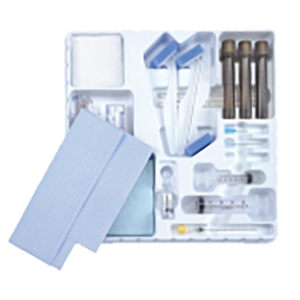
Prepackaged syringe kits simplify imaging workflows by reducing preparation time, minimizing assembly errors, and streamlining inventory management. Discover how these ready-to-use kits lower operational costs, improve staff productivity, enhance procedural consistency, and support more efficient CT and MRI contrast injection processes.
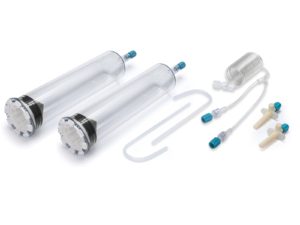
While lower-priced injector tubing and syringes may appear cost-effective, they can result in equipment issues, wasted contrast media, workflow interruptions, and increased replacement costs. This article explores the hidden financial and operational risks of low-quality consumables and why investing in reliable products delivers better long-term value.

Purchasing contrast injector syringes, tubing, and consumables in bulk can provide significant operational advantages. Learn how volume purchasing reduces procurement costs, improves inventory planning, minimizes supply disruptions, and helps healthcare facilities maintain efficient imaging workflows while controlling long-term expenses.
The cost of contrast injector syringes and tubing varies based on injector compatibility, product quality, packaging, and purchasing volume. This guide explains the key pricing factors, budgeting considerations, and cost-saving opportunities that help hospitals and imaging centers maximize value without sacrificing performance.
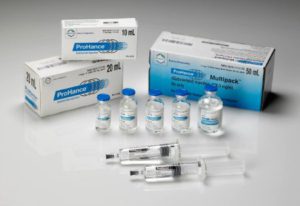
MRI-compatible syringes are specifically designed to meet the unique safety requirements of magnetic resonance imaging environments. Learn how their materials, construction, and compatibility differ from standard injector syringes, and why selecting the correct consumables helps improve patient safety, equipment reliability, and workflow efficiency.
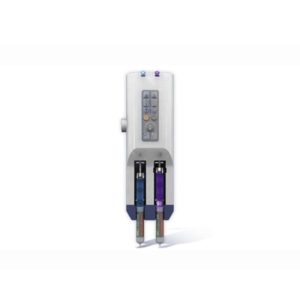
Selecting compatible injector syringes and tubing is essential for safe, accurate contrast delivery. This guide explains how to verify compatibility with leading CT and MRI injector systems, evaluate materials, pressure ratings, and manufacturer recommendations while minimizing equipment issues and maintaining clinical efficiency.
