Key Takeaways
- Medical imaging training helps staff use new equipment safely and effectively.
- Equipment certification validates staff competence and supports compliance.
- Ongoing staff development ensures continuous improvement and retention of best practices.
- Training should be structured in phases: introduction, hands-on practice, certification, and long-term refreshers.
- Partnering with experienced providers makes training efficient and aligned with clinical goals.
The most common question administrators ask is: How do I train staff on new imaging equipment? Training involves structured programs that cover equipment operation, safety procedures, and clinical application. Staff must be introduced to the equipment gradually, practice under supervision, and complete equipment certification to confirm readiness.
Key points on How to Train Your Staff on New Medical Imaging Equipment: A Step-by-Step Guide are:
- Why Training Matters in Medical Imaging
- Common Training Challenges
- Leadership’s Role in Training
- Driving Better Patient Outcomes Through Training
Training also requires alignment with industry standards. Exploring available products early helps administrators match training needs to the specific systems being adopted.
Why Training Matters in Medical Imaging
Introducing new imaging systems is a significant investment in both technology and people. Without proper medical imaging training, even advanced equipment cannot deliver optimal results.
Effective programs:
- Improve diagnostic accuracy.
- Reduce errors and repeat exams.
- Enhance patient safety through structured safety training.
- Ensure compliance with regulatory and accreditation requirements.
Integrated into broader staff development strategies, training also supports employee retention, stronger Customer Service, and higher confidence in daily operations.
Step 1: Assess Training Needs
Every practice has different starting points. Leaders should assess:
- Staff’s prior experience with imaging systems.
- Knowledge gaps related to radiation safety procedures.
- Any compliance deficiencies flagged in past audits.
This evaluation ensures training programs target real needs and prepare teams for efficient equipment management.
Step 2: Create a Structured Training Plan
An effective training plan follows clear phases:
- Orientation: Introduce staff to heavy equipment functions and safety procedures.
- Hands-on practice: Allow supervised sessions with the imaging systems.
- Evaluation: Verify skills with mock procedures and image reviews.
- Certification: Provide formal equipment certification for compliance with industry standards.
This structure ensures consistent learning and measurable progress across all team members.
Step 3: Leverage Vendor and Technical Support
Vendors and service providers are essential training partners. They provide technical demonstrations, workflow optimization tips, and guidance aligned with manufacturer specifications.
New imaging equipment often comes with vendor-led training programs, which should be integrated into onboarding. This ensures staff are trained directly on the specific systems they will use daily.
Step 4: Prioritize Safety and Compliance
Training must cover not just technical use but also safety procedures. Key topics include:
- Safe operation of radiation equipment.
- Proper patient positioning and exposure management.
- Use of protective gear for both staff and patients.
- Emergency protocols for complications during procedures.
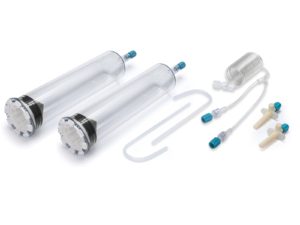
Staff working with injectors should also learn to prepare and administer contrast media, monitor patients for potential risks, and respond quickly to adverse reactions.
Step 5: Provide Hands-On Experience
Theory alone is not enough. Staff must work directly with the equipment under supervision. This builds confidence, ensures consistency, and highlights areas where additional training is needed.
Hands-on sessions should mimic real workflows, incorporating patient communication, Customer Service skills, and attention to detail to ensure diagnostic accuracy.
Step 6: Deliver Equipment Certification
Formal equipment certification verifies that staff are trained to meet industry standards. Certification demonstrates compliance during audits, reassures patients, and builds staff confidence.
For imaging centers, certification also protects against liability by proving staff competency on heavy equipment and imaging systems.
Step 7: Commit to Ongoing Staff Development
Training does not stop after installation. Ongoing staff development ensures that technologists remain skilled as technology evolves.
This can include:
- Regular refresher courses on equipment management.
- Annual safety training sessions.
- Vendor updates on new protocols or industry standards.
- Peer-to-peer mentoring to share best practices.
Investing in long-term staff growth strengthens efficiency, morale, and overall diagnostic quality.
Step 8: Evaluate and Update Training
Administrators should review the effectiveness of training programs through performance metrics. This includes monitoring image quality, patient satisfaction, and compliance reports.
Updating training based on evaluations ensures that the team remains aligned with industry standards and future-ready.
Common Training Challenges
Challenges often include limited time, high costs, and varying staff experience levels. Overcoming them requires flexibility:
- Schedule sessions in small groups to avoid workflow disruption.
- Use digital modules to reduce time away from patients.
- Standardize training for new hires to maintain consistency.
A clear focus on safety training and equipment management helps address most challenges effectively.
Leadership’s Role in Training
Leaders must prioritize training as part of organizational culture. This means allocating budgets, rewarding progress, and maintaining accountability. Leadership support sets expectations for excellence in both safety and diagnostic care.
Technology’s Role in Training
Modern digital workflows make training more accessible. Online simulations, virtual reality modules, and mobile learning apps complement in-person sessions. These resources improve flexibility while ensuring training aligns with equipment certification requirements.
Driving Better Patient Outcomes Through Training
Well-trained staff directly improves patient outcomes. Proper use of imaging equipment enhances diagnostic accuracy, reduces repeat exams, and supports safety. Strong training also translates to smoother Customer Service and improved patient confidence in the care they receive.
Advancing with Confidence
So, how do you train staff on new imaging equipment? The answer is structured programs that blend orientation, practice, certification, and continuous development. Facilities that emphasize medical imaging training, provide formal equipment certification, and invest in ongoing staff development are better positioned to maximize their technology investments.
Spectrum Medical Imaging Co. has been supporting imaging practices for more than 40 years. With expertise in training, service, and compliance, we help facilities prepare staff to use new systems with confidence. Our commitment to quality and industry standards ensures that practices can grow with efficiency, safety, and reliability.