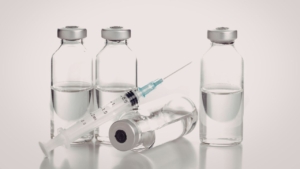
Iso-osmolar contrast media represent the safest class of iodinated agents available for diagnostic imaging. These specialized formulations match the osmolality of human blood plasma, minimizing physiological disruption during contrast-enhanced procedures. Clinical adoption remains selective, concentrated among patients with elevated renal risk factors requiring enhanced protective measures during CT and angiographic studies.
The development of iso‑osmolar contrast media addressed persistent safety concerns with earlier hyperosmolar formulations. Modern imaging centers must balance the premium cost of these agents against documented renal safety benefits. Proper patient selection ensures optimal resource allocation while maintaining diagnostic accuracy and minimizing adverse outcomes.
Key Takeaways
- Iso-osmolar contrast media maintain osmolality near 290 mOsm/kg, matching blood plasma to reduce renal stress
- IOCM accounts for 5-10% of the market, primarily used for high-risk patients with CKD or diabetes
- Non-ionic low-osmolar agents dominate 85-90% of clinical use due to optimal safety-cost balance
- Iodixanol (Visipaque) is the only widely available iso-osmolar iodinated contrast agent globally
- Cost-effectiveness analyses support IOCM use in high-risk populations but not routine low-risk imaging
What Are Iso-Osmolar Contrast Media?
Iso-osmolar contrast media are non-ionic dimeric iodinated agents with osmolality matching human blood. These formulations contain iodixanol as the primary active compound, designed to reduce osmotic stress. The isotonic nature of IOCM distinguishes it from both high-osmolar and low-osmolar alternatives currently used in radiology departments.
Understanding contrast agents’ iodine-based formulations helps explain the structural differences between contrast types. IOCM maintains blood-equivalent osmolality through dimeric molecular architecture, preventing the rapid fluid shifts associated with hyperosmolar agents.
How Is Osmolality Defined in Contrast Media?
Osmolality measures the concentration of dissolved particles in contrast to formulations per kilogram of solvent. High-osmolar contrast media range from 1400-2000 mOsm/kg, approximately 5-7 times human blood osmolality. Low-osmolar agents measure 600-850 mOsm/kg, while iso-osmolar formulations maintain approximately 290 mOsm/kg.
Contrast osmolality directly influences the physiological response to intravascular injection during imaging procedures. IOCM’s isotonic formulation matches blood plasma, reducing the osmotic gradient that drives fluid shifts. This physiological compatibility provides the theoretical foundation for improved renal safety in vulnerable populations.
What Chemical Properties Distinguish Iso-Osmolar Agents?
Visipaque (iodixanol) by GE HealthCare is the only widely available iso-osmolar iodinated contrast agent. The non-ionic dimer formulation matches blood plasma osmolality through paired benzene rings containing iodine atoms. This molecular architecture achieves isotonicity while maintaining sufficient iodine concentration for diagnostic image enhancement.
IOCM exhibits higher viscosity than low-osmolar alternatives, requiring warming to 37°C before injection. The increased molecular weight creates greater resistance to flow through narrow-gauge catheters during administration. Proper pre-injection warming ensures optimal flow characteristics and reduces injection pressure requirements during clinical procedures.
Why Are Iso-Osmolar Contrast Media Used?
Higher adverse reaction rates with high-osmolar formulations drove the development of safer alternatives. Historical data documented 12.7% adverse reaction rates with HOCM compared to 3.1% with LOCM. The persistent risk of nephrotoxicity with hyperosmolar agents justified continued development of blood-equivalent formulations.
Clinical evidence demonstrates a higher risk of contrast-induced acute kidney injury with osmolar loads. Balancing safety and clarity requires understanding how osmotic stress contributes to renal tubular injury. IOCM minimizes this osmotic burden by matching physiological osmolality throughout the injection and clearance phases.
What Clinical Needs Do They Address?
High-osmolar contrast media caused significantly higher rates of adverse reactions and nephrotoxicity in early studies. The shift toward low-osmolar agents reduced complications but did not eliminate renal risk entirely. Iso-osmolar formulations address residual safety concerns in patients with pre-existing kidney disease or multiple risk factors.
Renal safety considerations drive selective IOCM adoption for patients with chronic kidney disease and diabetes. The isotonic formulation reduces osmotic stress on already-compromised nephrons during contrast filtration and excretion. This targeted application maximizes clinical benefit while controlling the higher acquisition costs associated with premium agents.
Which Patient Populations Benefit Most?
Elderly patients demonstrate higher baseline risks for contrast-induced acute kidney injury during imaging procedures. Age-related decline in renal function increases vulnerability to osmotic stress from hyperosmolar contrast agents. Clinical guidelines recommend considering IOCM for high-risk patients when renal protective measures are paramount.
Patients with estimated glomerular filtration rates below 30 mL/min/1.73 m² require careful contrast selection. Diabetes combined with pre-existing renal insufficiency creates compounded risk factors warranting enhanced protective strategies. IOCM provides an additional safety margin in these complex clinical scenarios where acute kidney injury carries serious consequences.
How Do Iso-Osmolar Contrast Media Compare to Other Types?
Three primary contrast categories exist based on osmolality and molecular structure: HOCM, LOCM, and IOCM. High-osmolar contrast media have been largely phased out in developed nations due to unacceptable complication rates. Non-ionic low-osmolar contrast media dominate current clinical use with 85-90% market share across imaging centers.
Iso-osmolar contrast media account for 5-10% of market utilization, concentrated in high-risk patient populations. The premium pricing compared to standard LOCM limits routine adoption for general imaging applications. The evolution of contrast media reflects continuous refinement toward safer formulations with minimal physiological disruption.
What Are the Differences Between IOCM, LOCM, and HOCM?
LOCM refers to low-osmolar contrast media with osmolality 2-3 times that of blood. IOCM represents iso-osmolar contrast media matching blood plasma osmolality at approximately 290 mOsm/kg. HOCM denotes high-osmolar contrast media with osmolality 5-7 times blood levels, now rarely used intravascularly.
Market dynamics reflect the clinical superiority of non-ionic formulations over ionic predecessors in safety profiles. Non-ionic LOCM maintains an 85-90% market share due to an optimal balance of safety and cost-effectiveness. IOCM captures 5-10% of utilization, reserved for patients requiring maximum renal protective measures during procedures.
How Do Safety Profiles Vary Among These Agents?
Higher risk of severe extravasation injuries occurs with high-osmolar formulations due to extreme hypertonicity. The osmotic gradient draws fluid into surrounding tissues, causing greater tissue damage during accidental extravasation. Modern contrast media formulations prioritize isotonic properties to minimize this complication risk.
Differences in nephrotoxicity between LOCM and IOCM are minimal when proper hydration protocols are employed. Intravenous saline administration before and after contrast injection provides effective renal protection across formulation types. This finding suggests that hydration status influences outcomes more significantly than the osmolality differential between LOCM and IOCM.
What Are the Cost Implications of Each Contrast Type?
HOCM price ranges from $2-$8 per dose, reflecting basic manufacturing costs and limited demand. LOCM pricing spans $15-$30 per dose based on brand positioning and volume purchasing agreements. IOCM commands $30-$50+ per dose due to complex manufacturing requirements and specialized clinical indications.
Historical adoption data reveal LOCM was initially 13-24 times more expensive than HOCM in US markets. Cost-effectiveness analyses demonstrate the IOCM incremental value versus iopamidol at $14,660 per additional life year gained. This ratio falls within acceptable thresholds for specialized interventions targeting high-risk populations with measurable outcome improvements.
What Factors Influence Contrast Media Selection?
Safety profiles carry 40-45% weight in institutional contrast selection decisions across radiology departments. Efficacy and image quality account for 30-35% of decision-making criteria when evaluating CT contrast agents. Patient risk factors and economic considerations split the remaining 25-35% of institutional purchasing decisions.
Clinical guidelines provide structured frameworks for appropriate contrast selection based on patient-specific risk stratification. Formulary committees must balance competing priorities, including cost containment, patient safety, and diagnostic quality. Evidence-based protocols ensure consistent application of selection criteria across diverse patient populations requiring contrast-enhanced studies.
How Do Safety and Efficacy Guide Decisions?
Safety profile decision factors carry 40-45% weight in institutional contrast media selection processes. Adverse allergic-like reactions, contrast-induced kidney injury risk, and extravasation toxicity dominate safety considerations. Efficacy and image enhancement quality account for 30-35% of decision weight, ensuring adequate diagnostic visualization.
Iodine concentration measured in mg I/mL determines vascular attenuation and tissue contrast during imaging. Higher iodine loads improve visualization but may increase osmotic stress in vulnerable patients. Balancing optimal diagnostic quality against safety requirements drives formulation selection for specific clinical indications.
What Role Do Patient Risk Factors Play?
Patient risk factors account for 10-15% of institutional contrast selection decision weight in protocols. Baseline renal function measured by estimated glomerular filtration rate provides the primary risk stratification metric. Diabetes status and history of prior contrast reactions further refine risk categorization, requiring enhanced precautions.
Age-related physiological changes increase vulnerability to contrast-induced complications in elderly populations requiring imaging studies. Multiple concurrent risk factors justify premium agent selection despite higher acquisition costs for protective measures. Managing contrast allergies requires a comprehensive pre-procedure assessment identifying patients needing specialized protocols.
How Are Economic Considerations Balanced?
Cost and economic factors represent 15-20% of institutional contrast selection decision weight in purchasing. Per-dose pricing must be balanced against group purchasing organization contract terms and volume commitments. Overall procedure reimbursement levels influence acceptable contrast expenditure limits for sustainable departmental operations.
Routine use of premium IOCM is not cost-effective for general low-risk patient populations. Cost-effective contrast media management requires targeted allocation of expensive formulations to appropriate high-risk candidates. Resource optimization ensures clinical benefit justifies incremental expenditure compared to standard LOCM alternatives.
How Are Iso-Osmolar Contrast Media Administered and Utilized?
Patients must be screened for contrast-induced acute kidney injury risk factors before any procedure. Pre-existing severe renal insufficiency, defined as eGFR below 30 mL/min/1.73 m², requires enhanced protocols. The primary preventive strategy involves intravenous volume expansion with isotonic saline (0.9% NaCl) administered systematically.
Warming higher viscosity IOCM to body temperature before injection ensures optimal flow characteristics during administration. Automated injector systems deliver precise volumes at controlled flow rates for consistent vascular enhancement. Ensuring patient safety during IV contrast administration depends on proper technique and monitoring protocols throughout the procedure.
What Are the Typical Clinical Procedures for IOCM Use?
Comprehensive risk assessment precedes all contrast-enhanced studies to identify patients requiring protective interventions. Laboratory evaluation of serum creatinine and estimated glomerular filtration rate quantifies baseline renal function. Hydration protocols begin before contrast administration, continuing through post-procedure monitoring periods for high-risk patients.
Warming devices maintain the IOCM at 37°C to reduce viscosity and enable smooth injection flow. Power injectors deliver controlled bolus timing synchronized with imaging acquisition for optimal vascular opacification. Clinical guidelines specify injection rates and volumes based on patient weight, vascular access, and diagnostic requirements.
How Does Imaging Technology Integrate with Contrast Media?
CT modality utilization demonstrates projected compound annual growth rates of 8.2% through the coming years. Advanced scanner technology enables lower contrast volumes while maintaining diagnostic image quality through optimized acquisition protocols. Multi-energy imaging techniques extract additional information from standard contrast doses, improving diagnostic yield.
Automated bolus tracking initiates image acquisition at peak vascular enhancement, maximizing contrast efficiency during studies. Real-time monitoring systems alert technologists to injection complications, including extravasation or equipment malfunction. Integration between injectors and scanners streamlines workflow while reducing operator-dependent variability in contrast delivery.
What Are the Best Practices for High-Risk Patient Management?
High-risk patients require a comprehensive pre-procedure evaluation, including recent renal function laboratory results and medication review. Nephrotoxic medications should be withheld when clinically appropriate to minimize cumulative renal stress. Intravenous hydration with isotonic saline administered one to twelve hours before contrast reduces kidney injury risk.
Minimum necessary contrast volume principles apply to all high-risk patients regardless of the formulation selected. Post-procedure monitoring includes clinical assessment and laboratory follow-up within 48-72 hours when indicated. Multidisciplinary collaboration between radiologists, nephrologists, and referring physicians ensures coordinated care for complex patients.
What Are the Market Trends and Adoption Patterns for Iso-Osmolar Contrast Media?
Market evolution reflects progressive safety improvements from high-osmolar to low-osmolar and ultimately iso-osmolar formulations. LOCM adoption reached 15-20% by 1988 despite cost premiums 13-24 times higher than HOCM. By 1994, LOCM adoption had climbed to 60% as clinical evidence demonstrated clear superiority in safety.
HOCM has been largely phased out in developed nations following widespread LOCM adoption for intravascular applications. Mean year-over-year growth in contrast volume averaged 5.2% between 2014 and 2019 across all formulations. Current market dynamics favor continued LOCM dominance with selective IOCM adoption for targeted high-risk populations.
How Has Usage Evolved Historically?
Early LOCM adoption faced resistance due to extreme cost differentials compared to established HOCM formulations. Clinical evidence documenting superior safety profiles eventually overcame economic barriers to widespread LOCM implementation. Radiologists adopted universal LOCM policies by the mid-1990s based on unequivocal clinical superiority over predecessors.
Historical adverse reaction rates of 12.7% with HOCM compared to 3.1% with LOCM drove formulary changes. Declining HOCM utilization paralleled increasing regulatory scrutiny and professional society guideline recommendations favoring safer alternatives. The transition demonstrates how clinical evidence can override initial cost objections when safety benefits are substantial.
Which Demographics and Regions Are Driving Growth?
North America maintains the largest market share at 38.92% in 2025 based on its advanced infrastructure. High procedure volumes and universal adoption of premium agents support continued regional market dominance. Asia Pacific demonstrates the highest projected compound annual growth rate at 9.5% through expanding healthcare access.
Rural areas face diagnostic delays due to limited on-site imaging equipment and specialized technical staff. Urban medical centers concentrate advanced imaging technology and experienced personnel supporting high-volume contrast-enhanced procedures. Geographic disparities in healthcare access influence regional adoption patterns and overall market growth trajectories.
Who Are the Leading Manufacturers and Market Leaders?
GE HealthCare commands over 50% US market share through its flagship products Omnipaque and Visipaque. Bracco maintains a 40-45% US market share primarily through Isovue, the standard LOCM comparator in studies. These two manufacturers effectively control the US iodinated contrast market through established distribution networks.
Omnipaque (iohexol) by GE HealthCare represents the leading low-osmolar nonionic iodinated agent globally. This formulation serves as the primary LOCM benchmark against which IOCM cost-effectiveness is evaluated. Isovue (iopamidol) by Bracco and Optiray (ioversol) by Guerbet are standard LOCM comparators in nephrotoxicity studies versus Visipaque.
How Are Safety Guidelines and Economic Analyses Shaping IOCM Use?
Clinical guidelines provide evidence-based frameworks for appropriate contrast selection, balancing safety and resource utilization. American College of Radiology recommendations emphasize universal LOCM use as the standard of care for routine procedures. Risk stratification protocols identify patients warranting consideration of premium IOCM formulations for enhanced renal protection.
Economic analyses demonstrate selective IOCM cost-effectiveness in high-risk populations but not routine low-risk imaging. The incremental value of IOCM versus LOCM depends heavily on baseline patient risk and procedural context. Institutional protocols must align clinical guidelines with economic realities to ensure sustainable, evidence-based contrast utilization.
What Do Clinical Guidelines Recommend Regarding IOCM?
American College of Radiology guidelines designate non-ionic LOCM as the recommended standard for all intravascular procedures. Patient screening for contrast-induced kidney injury risk factors precedes all contrast-enhanced imaging studies systematically. High-risk patients with severe renal insufficiency (eGFR below 30 mL/min/1.73 m²) warrant enhanced protocols.
Intravenous volume expansion with isotonic saline represents the primary preventive strategy for contrast-induced injury. IOCM may be considered for high-risk patients, though nephrotoxicity differences versus LOCM are minimal with hydration. Clinical guidelines emphasize proper patient selection and procedural technique over formulation substitution for renal protection.
When Is IOCM Cost-Effective Compared to LOCM?
High-risk populations undergoing intra-arterial procedures demonstrate overall healthcare cost savings with IOCM versus LOCM. Reduced incidence of major adverse renal and cardiac events offsets premium agent acquisition costs. These savings accrue through avoided hospitalizations and subsequent interventions related to contrast-induced kidney injury.
Incremental cost-effectiveness ratios below $50,000 per life year fall within accepted medical intervention thresholds. IOCM versus iopamidol achieves approximately $14,660 per additional life year in appropriate patient populations. General low-risk populations lack sufficient complication rates to justify routine premium formulation substitution economically.
How Do Preventive Strategies Impact IO Contrast Selection?
Preventive hydration protocols reduce contrast-induced kidney injury incidence across all formulation types when properly implemented. Isotonic saline administration before and after contrast minimizes the osmolality differential between LOCM and IOCM. This observation questions whether formulation changes provide incremental benefit beyond optimized hydration in many scenarios.
Patient preparation quality influences outcomes more significantly than modest osmolality differences between modern contrast formulations. Institutions with robust hydration protocols may achieve equivalent safety with standard LOCM versus premium IOCM. Economic resources may be better allocated to systematic protocol implementation rather than routine formulation upgrades.
The Role and Impact of Iso-Osmolar Contrast Media in Modern Imaging
Iso-osmolar contrast media represent the pinnacle of iodinated agent development, matching blood plasma osmolality precisely. Selective adoption for high-risk patients balances enhanced renal safety against premium acquisition costs appropriately. Future developments may further reduce manufacturing costs, potentially expanding appropriate clinical utilization beyond current narrow indications.
Diagnostic imaging continues to advance through integrated technology and optimized contrast protocols working synergistically for patient benefit. Evidence-based selection criteria ensure appropriate resource allocation while maintaining safety and diagnostic quality standards. Ongoing research will refine our understanding of which specific patient populations derive maximum benefit from specialized formulations.
Spectrum Medical Imaging Co. partners with leading contrast manufacturers to ensure facilities have access to the right agents for their patient populations. Our 30+ years of industry experience support informed formulary decisions, balancing clinical requirements and budget constraints. We help imaging centers implement evidence-based protocols that prioritize both patient outcomes and operational sustainability.
Source the Right Contrast Agents for Your High-Risk Patients
Spectrum Medical Imaging Co. supplies a full portfolio of iodinated contrast agents—including Visipaque (iodixanol), Omnipaque, Isovue, and Optiray—to imaging centers, hospitals, and outpatient facilities across the West Coast. With 30+ years of experience, our team helps radiology departments match the right formulation to the right patient, manage acquisition costs, and maintain consistent supply. Whether you’re building a formulary protocol for CKD patients or sourcing agents in bulk, we deliver the expertise and logistics to keep your department running.
Contact Spectrum Medical Imaging Co. to discuss your contrast media requirements.