Understanding CT scan contrast cost requires examining acquisition price, packaging format, and operational resilience. Iodinated contrast agents dominate diagnostic imaging budgets because CT volumes exceed other modalities in most hospital systems. The global contrast media market reached USD 7.31 billion in 2025, with iodinated products accounting for USD 4.72 billion. Effective cost management balances unit economics, waste reduction, and supply chain continuity.
Key Takeaways
- Iodinated contrast agents account for USD 4.72 billion and 64.6% of the global contrast media market
- Routine CT scan contrast cost averages USD 11.40 per scan for low-osmolar agents at USD 0.152/mL
- Multidose packaging reduces effective cost by USD 18.29-20.70 per enhanced CT examination
- Low-osmolar agents dominate practice at 81.94% usage versus 11.31% for iso-osmolar products
- Supplier diversification and shortage protocols protect budgets during supply disruptions
What Are Iodinated Contrast Agents and Their Uses in CT Scans?
Definition and Composition of Iodinated Contrast Media
Iodinated contrast agents are imaging products used to enhance CT and X-ray diagnostic quality. These agents contain iodine atoms that absorb X-rays, creating density differences in blood vessels and soft tissues. Low-osmolar agents are nonionic iodinated products designed for routine CT scanning with reduced adverse reactions. Iso-osmolar agents are iodixanol-based formulations reserved for high-risk patients with renal impairment or severe allergies.
Chemical composition determines both clinical performance and cost structure. Most routine agents use nonionic low-osmolar chemistry, balancing efficacy and safety at predictable prices. High-osmolar ionic agents remain available but occupy a smaller market segment due to higher reaction rates. Iodine-based and gadolinium compounds serve different imaging modalities with distinct cost profiles and clinical applications.
Clinical Applications in CT and Angiography
CT contrast media enhance the visualization of vascular structures, tumors, inflammation, and organ perfusion patterns. Abdomen and pelvis CT represents the highest-volume contrast application at 13,951.5 exams per 100,000 Medicare beneficiaries. Chest CT follows at 9,684.5 exams per 100,000, creating consistent demand. Angiography, trauma imaging, and emergency scans depend on reliable contrast supply for time-sensitive diagnoses.
Outpatient hospital settings generate 10,728.1 contrast-enhanced CT exams per 100,000 beneficiaries annually. Emergency departments contribute 8,739.5 exams per 100,000, requiring protected inventory during shortages. This demand concentration means iodinated agents’ pricing directly affects operational budgets in high-throughput departments. Clinical protocols typically require 75-100 mL per routine CT exam, establishing predictable consumption patterns.
Comparison with Other Contrast Agent Categories
Gadolinium-based agents are chelated metallic compounds designed exclusively for MRI tissue enhancement. These products account for USD 1.66 billion and 22.7% of the global contrast market. Microbubble agents are gas-filled microspheres used in contrast-enhanced ultrasound with limited volume applications. These represent USD 624.9 million in market value but show 10.7% growth rates.
Macrocyclic gadolinium formulations demonstrate lower tissue retention compared to linear gadolinium products. Market data shows iodinated agents hold 64.6% share versus gadolinium agents at 22.7% share. This distribution reflects CT’s dominant position in diagnostic imaging workflows and explains why iodinated products drive the largest share of hospital contrast budgets.
How Is the Cost Structure of Iodinated Contrast Media Determined?
Unit Acquisition Price vs. Effective Per-Exam Cost
The benchmark Q9967 low-osmolar contrast carries a Medicare ASP price of USD 0.152 per milliliter. Assuming 75 mL per routine CT scan, the cost per ct contrast totals approximately USD 11.40. ASP pricing refers to Average Sales Price benchmarks established through CMS Medicare reimbursement methodology. Actual contract prices vary by GPO agreements and negotiated volume discounts.
Higher-concentration products and premium formulations increase unit cost without proportional clinical benefit in routine cases. Q9966 low-osmolar contrast at 200-299 mg iodine/mL costs USD 0.450/mL, tripling baseline expenses. Hospitals managing ct contrast media costs must evaluate effective spend per completed exam rather than vial price alone. Package waste and expired inventory convert low unit prices into higher realized expenses.
Impact of Packaging Formats on Cost and Waste
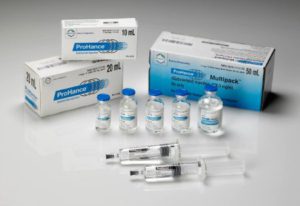
Multidose packaging generates savings of USD 18.29-20.70 per enhanced CT examination in documented hospital studies. A shift from 100 mL single-dose vials to 500 mL bulk bottles saved GBP 1.21 per patient. Package-dose mismatch creates unnecessary expense when departments discard partially used inventory after sterility expiration. Eight-hour in-use limits apply to opened bulk packages under compliant sterile control protocols.
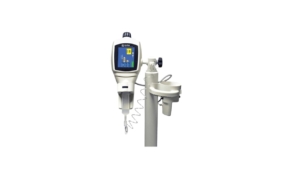
Glass bottles dominate at 69.6% of work areas because facilities prioritize cost-effectiveness in high-volume settings. Prefilled syringes represent 18.1% of workflows, offering convenience at a higher unit expense. Polymer bottles account for 10.9% and balance safety benefits against moderate cost premiums. Reducing waste in CT contrast media delivers both environmental and financial benefits when departments optimize package selection.
Operational Factors Influencing Total Contrast Expenditure
Beyond acquisition price, operational factors include storage requirements, inventory carrying costs, and shortage-response expenses. Departments with predictable high volumes benefit from bulk purchasing agreements that lower effective unit prices. Just-in-time inventory models reduce carrying costs but increase vulnerability during supply disruptions. Bulk purchasing vs. just-in-time ordering strategies require careful analysis of volume patterns and supplier reliability.
Labor costs for contrast preparation, quality control testing, and waste disposal add indirect expenses. Power injector compatibility requirements limit product substitution during shortages, forcing premium purchases or workflow changes. Emergency department priority access protocols may necessitate higher-cost reserve inventory to maintain service levels. Rural facilities face higher per-capita imaging expenditure at USD 229.7 versus USD 207.6 for urban age 60+ populations.
What Factors Influence Preference and Selection of Iodinated Agents?
Clinical Priorities and Patient Risk Profiles
Cancer detection sensitivity weighs 44.3% in patient decision-making when choosing contrast products. Out-of-pocket cost contributes only 7.5% to patient preferences, indicating efficacy dominates over price. Mild allergic reaction rate accounts for 19.5% of the decision weight. Severe allergic reaction rate carries 17.0% importance, reflecting safety concerns in high-acuity imaging.
Renal-risk patients require careful agent selection and hydration protocols to prevent contrast-induced nephropathy. Iso-osmolar iodixanol products serve this niche despite higher costs than routine low-osmolar agents. History of severe reactions necessitates premium agent access or premedication protocols that increase total episode expense. Budgeting ct contrast must preserve product diversity for risk-stratified patient populations.
Packaging Preferences and Workflow Considerations
Glass bottles serve 69.6% of work areas, primarily justified by cost-effectiveness in 35.0% of facilities. Prefilled syringes appear in 18.1% of work areas, driven by convenience priorities in 27.2% of facilities. The cost-effectiveness rationale applies in 37.3% of facilities adopting that format. Work safety considerations influence 19.9% of polymer bottle choices versus only 0.7% for glass.
High-throughput departments prioritize rapid turnaround, making prefilled syringe systems attractive despite premium pricing. Lower-volume settings optimize with traditional bottle workflows that minimize per-exam waste and capital equipment requirements. Power injector integration determines packaging compatibility, limiting substitution flexibility during shortages. Contrast media pricing trends show packaging innovation focused on waste reduction and workflow efficiency.
Supplier and Brand Use Patterns in Routine Practice
Omnipaque iohexol from GE HealthCare commands 33.56% brand use among radiology technologists. Isovue iopamidol from Bracco accounts for 28.53% of reported brand usage patterns. Optiray ioversol from Guerbet represents 19.85% of technologist-reported product selection. Visipaque iodixanol from GE HealthCare holds 11.31% usage, representing the primary iso-osmolar segment.
Low-osmolar agents total 81.94% usage versus 11.31% for iso-osmolar products in practice surveys. This distribution confirms routine low-osmolar dominance with targeted iso-osmolar use for risk-selected patients. Brand loyalty often reflects institutional contracts, GPO agreements, and power injector compatibility rather than technologist preference. Supplier concentration creates a shortage vulnerability, as demonstrated during the 2022 production disruption affecting GE Healthcare products.
How Do Market Trends and Regional Demand Affect Iodinated Contrast Costs?
Global and Regional Market Distribution and Growth
The global contrast media market reached USD 7.31 billion in 2025 across all product categories. Projections estimate growth to USD 13.86 billion by 2033 under current demand patterns. Overall forecast CAGR of 8.39% applies to the 2026-2033 period for combined contrast products. Iodinated agents account for USD 4.72 billion and 64.6% of the total 2025 market value.
North America holds 38.9% of the global market at USD 2.8449 billion in regional revenue. Asia Pacific represents 27.4% share with USD 1.9993 billion, growing at 8.9% CAGR. Europe accounts for 22.2% share at USD 1.6236 billion with 8.5% growth projections. These regional concentrations mean price trends in North America disproportionately influence global iodinated agents pricing benchmarks.
Demographic and Site-of-Care Demand Patterns
Outpatient hospital CT reaches 10,728.1 exams per 100,000 Medicare beneficiaries annually. Emergency department CT follows at 8,739.5 exams per 100,000 beneficiaries. Abdomen and pelvis protocols dominate at 13,951.5 exams per 100,000, driving the largest contrast volumes. Chest CT represents 9,684.5 exams per 100,000, establishing consistent secondary demand.
Rural imaging expenditure totals USD 229.7 per capita versus USD 207.6 for urban age 60+ populations. Older adults generate the strongest sustained contrast demand, with spending peaking at USD 466.5 around ages 78-86. These demographic patterns predict rising demand as populations age globally. Site-of-care distribution affects procurement strategy because outpatient settings require different package sizes than emergency departments.
Recent Supply Disruptions and Their Economic Impact
Shanghai COVID-19 lockdowns disrupted GE Healthcare iohexol production beginning in April 2022. Supply chain concentration creates a shortage vulnerability because a few manufacturers dominate global iodinated production capacity. Just-in-time inventory models provide minimal buffer during production disruptions. Solutions to overcome the iodinated contrast media crisis include diversification, strategic reserves, and alternative modality protocols.
The 2022 shortage forced hospitals to shift CT procedures to MRI when clinically appropriate. This substitution created secondary demand pressure on gadolinium-based contrast supplies, raising costs across categories. Facilities without supplier diversification faced exam delays, emergency rationing, and premium pricing for available inventory. Recovery occurred by late 2022, but the episode permanently changed procurement risk assessment.
How Can Hospitals Optimize Budgeting and Procurement for Iodinated Contrast?
Bulk Purchasing and Multidose Packaging Strategies
High-volume departments should consider bulk packages for predictable routine CT examinations. Multidose bottles require strict eight-hour in-use limits under sterile control protocols to prevent contamination. Opened bulk packages must follow pharmacy compounding standards if extending beyond standard manufacturer dating. Documented savings of USD 18.29-20.70 per enhanced CT exam justify workflow investments in compliant departments.
Single-dose packaging remains appropriate for low-volume departments where waste risk exceeds bulk-purchase savings. Package size should match typical daily volume to minimize expiration losses and maximize utilization efficiency. Syringeless injector systems pair effectively with multidose bottles to reduce syringe waste and labor costs. Strategies to reduce contrast media costs without compromising quality require matching packaging format to departmental throughput and clinical mix.
Supply Chain Resilience and Supplier Diversification
Facilities should establish supplier diversification protocols to reduce single-source exposure during production disruptions. Poor supplier diversification limits contingency options when primary manufacturers face capacity constraints or quality issues. Secondary supplier relationships enable rapid substitution during shortages, even if baseline pricing appears higher. Single-source exposure increases disruption risk, as demonstrated during the 2022 Shanghai lockdown affecting GE Healthcare.
Contract structures should include force majeure provisions and allocation guarantees to protect access during industry-wide shortages. GPO agreements must balance price optimization with supply continuity across multiple approved manufacturers. Regional distribution agreements can provide backup access when national suppliers face constraints. Inventory policies should maintain minimum stock levels covering typical lead-time variability and seasonal demand.
Cost-Saving Measures and Shortage Management Protocols
Hospitals should prioritize high-acuity examinations during shortage periods to maximize clinical value per contrast dose. Selected CT studies can shift to MRI or ultrasound when alternative modalities provide acceptable diagnostic information. Certain scans proceed without contrast when clinical context and patient history support unenhanced protocols. Delayed nonurgent exams during supply constraints preserve inventory for time-sensitive trauma and oncology cases.
Alternative products substitute when clinically appropriate, such as using different low-osmolar brands with equivalent iodine concentrations. Repackaging programs under compliant pharmacy protocols extends inventory during shortages while maintaining sterility and stability. Technology and medicine evolution in contrast media enables clinical adaptation during supply disruptions. Documented conservation protocols prevent ad hoc rationing decisions during crisis periods.
What Role Do Alternative Modalities and Emerging Agents Play in Contrast Budgeting?
Impact of MRI Gadolinium and Ultrasound Microbubble Agents on Budget Allocation
Gadolinium-based contrast agents represent USD 1.66 billion and 22.7% of the global contrast market value. Microbubble contrast totals USD 624.9 million with accelerated 10.7% CAGR growth projections through 2033. Gadoterate meglumine carries ASP pricing at USD 1.13/mL equivalent for standard MRI applications. Gadobutrol commands USD 2.75/mL equivalent, reflecting premium positioning in the gadolinium category.
Perflutren lipid microspheres for ultrasound cost USD 40.653/mL under Medicare ASP benchmarks. These premium specialty products serve narrow clinical niches with high per-dose economics compared to routine CT contrast. Budget allocation must account for cross-modality substitution during iodinated shortages that shift costs into gadolinium spending. MRI capacity limits substitution flexibility during severe CT contrast disruptions.
Cross-Modality Substitution During Contrast Shortages
Iodinated shortages can shift diagnostic demand to gadolinium-based MRI when clinical questions allow modality substitution. This creates secondary pressure on gadolinium supply chains and increases budgeted spending in alternative categories. Not all CT indications convert to MRI because of scanning time, patient contraindications, or imaging-question specificity. Ultrasound with microbubble contrast serves limited applications, preventing broad substitution during CT shortages.
Emergency imaging departments face the greatest constraint during iodinated shortages because CT provides the fastest trauma assessment. Supply chain management from supply to scan requires maintaining cross-modality capacity and agent inventory for contingency use. Budget flexibility across imaging categories enables rapid response to category-specific supply disruptions. Planning should assume periodic shortages given manufacturing concentration and global demand growth.
Future Trends in Contrast Media Innovation and Their Cost Implications
The microbubble growth rate of 10.7% exceeds the overall market CAGR of 8.39% for all contrast products. This indicates expanding clinical adoption in cardiac imaging and liver lesion characterization using ultrasound. Emerging manganese-based MRI agents and targeted molecular imaging compounds remain in development phases. Current budgets should focus on established categories while monitoring pipeline innovations.
Macrocyclic gadolinium agents demonstrate lower tissue retention, driving market share gains over linear formulations. This safety-driven shift affects MRI budgeting as facilities phase out older agents despite established contracts. Iodinated chemistry improvements may reduce adverse reactions but are unlikely to fundamentally change the cost structure. Packaging innovations and workflow automation offer more immediate budget-optimization potential than new chemical formulations.
How Do Patient and Provider Priorities Differ in Contrast Agent Decision-Making?
Patient Focus on Diagnostic Efficacy and Safety over Cost
Patients prioritize cancer detection sensitivity at 44.3% decision weight when evaluating contrast options. Out-of-pocket cost represents only 7.5% of patient decision priorities. Severe allergic reaction risk carries 17.0% importance, demonstrating safety concerns outweigh price sensitivity. Mild reaction risk accounts for 19.5% of patient preferences, further confirming safety dominance.
Intracranial gadolinium retention concerns contributed 11.6% to the decision weight in MRI contrast patient studies. These priorities indicate patients accept higher costs when diagnostic accuracy or safety improves. Procurement decisions based solely on the lowest acquisition price may not align with patient-centered care priorities. Formulary design should preserve access to premium agents for high-risk or high-acuity patient populations.
Provider Emphasis on Cost-Effectiveness and Workflow Efficiency
Radiology departments evaluate products based on effective cost per completed exam, including waste and labor. Glass bottle adoption reflects cost-effectiveness priorities in 35.0% of facilities using that packaging format. Prefilled syringe selection emphasizes convenience in 27.2% of facilities, trading higher cost for workflow speed. Polymer bottles balance work safety at 19.9% priority against cost-effectiveness at 37.3% justification.
Technologist surveys show brand preferences often reflect institutional contracts rather than individual product performance assessments. Power injector compatibility determines practical product options, limiting substitution flexibility during shortages or price increases. Departments managing high volumes prioritize consistent supply and predictable pricing over marginal cost differences. Clinical quality requirements establish minimum acceptable standards, but procurement optimizes cost within that constraint.
Aligning Procurement Decisions with Clinical and Operational Objectives
Procurement strategies must preserve premium agent access for high-risk patients requiring iso-osmolar or specialized formulations. Budget optimization focuses on routine low-osmolar products serving the majority, 81.94% of standard CT cases. Volume-based contracts should include allocation guarantees and shortage-protection provisions to ensure continuity during disruptions. GPO agreements must balance price competitiveness with supplier diversification for resilience.
Department input on workflow compatibility prevents procurement decisions that create operational inefficiency or quality risks. Clinical leadership establishes evidence-based protocols determining when premium agents justify additional expense versus routine alternatives. Finance teams model total cost, including waste, labor, and shortage-response expenses, rather than unit price alone. Cross-functional planning aligns clinical priorities, operational efficiency, and budget constraints in contrast selection.
Integrating Clinical, Operational, and Economic Insights for Iodinated Contrast Cost Management
Effective contrast media budgeting requires simultaneous management of acquisition price, packaging efficiency, and supply chain resilience. Iodinated products dominate hospital spending at 64.6% market share, making CT contrast the primary optimization target.
Low-osmolar agents priced at USD 0.152/mL deliver a routine CT scan contrast cost near USD 11.40 per exam. Multidose packaging reduces effective spending by USD 18.29-20.70 per examination when departments implement compliant workflows.
The 2022 iodinated shortage demonstrated that single-source exposure creates catastrophic budget and operational risk. Procurement teams must balance the lowest unit price against supplier diversification and shortage-response flexibility. Patient priorities emphasize diagnostic efficacy and safety over cost, while departments optimize acquisition efficiency and workflow integration. Successful strategies align clinical requirements, operational constraints, and budget objectives through category-specific planning.
Spectrum Medical Imaging Co. supports imaging facilities through comprehensive contrast media supply programs and clinical application expertise. Our partnerships with GE Healthcare, Guerbet, and Bracco ensure access to leading iodinated products at competitive pricing. With 42 years of experience and 24-48 hour nationwide delivery capability, we help hospitals maintain supply continuity and cost control.
Get Competitive CT Contrast Pricing From a Trusted Single-Source Partner
Managing CT scan contrast costs starts with having the right supplier behind you. Spectrum Medical Imaging Co. works directly with the industry’s leading iodinated contrast manufacturers — including Guerbet, Bayer, Bracco, Fresenius-Kabi, and GE HealthCare — to deliver guaranteed lowest pricing on Omnipaque, Isovue, Optiray, Visipaque and Ultravist (Iopromide) contrast agents.
With 30+ years of experience in medical imaging supply, our team understands the volume pressures, ASP benchmarks, and supply chain risks that affect your contrast budget. We help imaging centers, hospitals, and outpatient facilities lock in consistent pricing and avoid the operational disruptions that come with shortage events.
Orders ship within 24–48 hours nationwide, so your department stays stocked, and your protocol stays on schedule. Contact Spectrum Medical Imaging Co. today to request a quote and start reducing your contrast media costs.