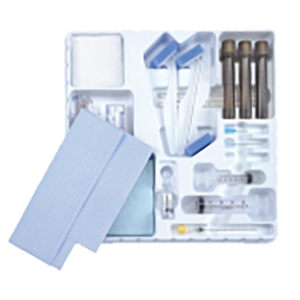
Contrast power injector syringes are automated medical devices that deliver contrast media during diagnostic imaging procedures. These systems provide precise control over injection rate, volume, and timing to optimize image quality and patient safety. The technology has evolved from basic manual syringes to sophisticated automated platforms that integrate directly with CT scanners, MRI systems, and interventional imaging equipment.
Modern contrast power injector syringes eliminate the variability inherent in manual injection techniques. They ensure consistent bolus delivery across patients and enable complex multiphase protocols essential for advanced diagnostic imaging. The market offers three distinct system architectures—single-head, dual-head, and syringeless—each designed for specific operational demands and patient volumes.
Key Takeaways
- Single-head, dual-head, and syringeless contrast injector syringes serve different facility volumes and workflow requirements
- CT injectors command 67.4% market share, followed by MRI injectors at 20.0%
- Syringeless systems reduce patient preparation time from 60 seconds to 10 seconds and save approximately $8 per patient in contrast to waste
- Dual-head systems reduce contrast media usage by 10-18% through optimized bolus timing
- Facilities performing fewer than 6,000 annual contrast-enhanced exams typically benefit most from single-head systems
What Are Contrast Power Injector Syringes?
Contrast power injector syringes are programmable devices that automate the delivery of iodinated or gadolinium-based contrast agents. These systems replace manual injection with motor-driven pistons that push contrast through specialized syringes at predetermined rates. The fundamental design includes a control console, mechanical drive mechanism, disposable syringe assemblies, and patient connection tubing.
The primary function is establishing consistent flow control during imaging acquisitions. Precise flow rates ensure optimal vascular opacification while minimizing total contrast volume required for diagnostic-quality images. This controlled delivery reduces patient exposure to contrast agents and extravasation injury risk.
What Types of Contrast Injector Syringes Exist?
Single-head systems utilize one syringe for contrast delivery, with saline administered separately. Dual-head systems feature two independent syringes for contrast and saline, enabling simultaneous or programmed sequential injection patterns that optimize bolus timing. Syringeless systems eliminate manual syringe handling by using automated contrast media cartridges that reduce preparation time and contamination risk.
CT injectors command 67.4% market share due to high volume routine diagnostic imaging requiring CT contrast delivery. MRI injectors hold 20.0% market share, driven by neuroimaging and cardiac applications demanding non-ferrous components compatible with magnetic field environments. Cath Lab/IR injectors represent 10.0% market share for interventional cardiology and minimally invasive procedures, while other specialized injectors account for 2.6%.
What Are the Key Components of These Syringes?
The mechanical assembly consists of a motorized drive system converting electrical signals into linear piston movement. Contrast power injector syringes tubing connects the syringe barrel to patient access devices through pressure-rated lines designed to withstand injection forces. The disposable syringe barrel holds 60 to 200 mL of contrast media with graduated volume markings.
The control interface allows operators to program injection protocols, including flow rate, total volume, and phase timing. Modern systems incorporate pressure monitoring sensors that detect line occlusions or extravasation by tracking real-time injection resistance. These safety mechanisms automatically terminate injection when pressure thresholds are exceeded, protecting patients from tissue damage.
Why Are Contrast Power Injector Syringes Used in Imaging?
These systems are essential for procedures requiring precisely timed contrast enhancement of vascular structures and tissue perfusion. Manual injection cannot achieve the consistent bolus geometry necessary for advanced imaging protocols such as CT angiography or perfusion studies. Automated delivery ensures peak vascular enhancement occurs exactly when the scanner acquires critical image data.
The technology addresses fundamental limitations in human performance during high-volume imaging operations. Technologists cannot manually maintain steady injection rates over 20-30 second bolus durations while simultaneously operating scanner controls. Power injectors handle contrast delivery autonomously, allowing imaging staff to focus on patient positioning, protocol selection, and radiation safety.
What Is Their Role in Diagnostic Procedures?
CT injectors are used for oncology staging, neurology stroke protocols, and trauma management, where rapid vascular assessment is critical. MRI injectors are used for neuroimaging applications and cardiac MRI, with non-ferrous requirements preventing magnetic interference. Cath Lab/IR injectors are used for interventional cardiology procedures and minimally invasive treatments requiring high flow rates and pressure capabilities.
Cath Lab/IR injectors represent 10.0% market share despite specialized application because interventional procedures demand injection capabilities exceeding standard diagnostic requirements. Other injectors account for 2.6% market share, serving niche applications. The distribution reflects cross-sectional imaging dominance in modern diagnostic medicine and CT’s central role in emergency and outpatient settings.
How Do They Improve Patient Safety and Workflow?
Automated systems eliminate physical strain on technologists who previously performed repetitive manual injections. Consistent injection parameters reduce variability in image quality, decreasing repeat examination which exposes patients to additional radiation. Pressure monitoring detects extravasation events within seconds, minimizing tissue damage compared to delayed detection in manual injection scenarios.
Workflow efficiency improves through reduced patient preparation time and faster room turnaround. Pre-programmed protocols standardize injection parameters across patient populations, eliminating manual flow rate calculations. This automation supports higher patient throughput while maintaining diagnostic quality standards.
How Do Contrast Power Injector Syringes Function?
The injection mechanism relies on a motorized piston applying controlled force to a syringe plunger. Electronic controls translate programmed protocols into precise motor commands, regulating piston advancement speed. The relationship between piston velocity and syringe barrel diameter determines the volumetric flow rate delivered to the patient.
Modern systems incorporate closed-loop feedback mechanisms that continuously monitor actual flow rates against programmed targets. Pressure transducers measure resistance within the injection circuit, detecting line occlusions or catheter disconnections. This real-time monitoring ensures injection parameters remain within safe physiological limits.
What Is the Mechanism of Contrast Delivery?
The motor assembly drives a piston rod connecting to the syringe plunger. As the piston advances, it displaces contrast media from the barrel through attached delivery tubing. Flow rate is determined by the linear velocity of piston movement, with faster advancement producing higher delivery rates.
The system maintains constant flow by compensating for pressure variations in the vascular access pathway. Advanced injectors adjust motor speed dynamically to maintain programmed flow rates despite changing vascular resistance. This automatic compensation ensures uniform enhancement patterns regardless of patient-specific anatomical variations.
How Do Single-Head and Dual-Head Syringes Differ in Operation?
Sequential delivery in single-head systems requires manual intervention or separate equipment for saline flush after contrast administration. Contrast media injection systems using dual-head configurations enable simultaneous delivery that optimizes bolus timing through overlapping contrast and saline phases. Manual syringe changes in single-head systems increase room time and introduce opportunities for air introduction.
Sequential delivery limits bolus optimization in single-head systems because saline cannot begin before contrast delivery completes. Single-head systems have manual syringe changes, reducing workflow efficiency. Dual-head systems require longer staff training due to increased protocol complexity, but this investment yields superior imaging outcomes in facilities performing advanced vascular studies.
What Advances Do Syringeless Systems Introduce?
Patient preparation time is reduced from 60 seconds to 10 seconds with syringeless systems, which eliminates the most time-consuming aspect of traditional workflows. Technologists require only one minute in the morning to set up syringeless systems for 10 hours of operation, compared to per-patient preparation with conventional designs.
Syringeless systems save approximately $8 per patient in contrast waste by eliminating residual volume trapped in disposable syringes. Syringeless systems growing at a CAGR of over 11% reflects rapid adoption in facilities prioritizing infection control and operational efficiency. The closed cartridge design prevents environmental contamination from contrast spills commonly occurring during manual syringe filling.
What Factors Influence Selection of Injector Syringes?
Annual examination volume directly determines which system architecture provides optimal return on investment. Facilities performing fewer than 6,000 scans per scanner annually typically find that single-head systems meet clinical needs without premium capital expenditure. Higher-volume centers benefit from reduced per-exam costs and faster turnaround achievable with dual-head or syringeless platforms.
Geographic location and facility type create distinct operational contexts favoring different system designs. Urban imaging centers with 24/7 operations require maximum throughput capacity and minimal downtime. Rural hospitals with predictable outpatient-only schedules prioritize capital efficiency over marginal workflow improvements, providing limited benefit at lower volumes.
How Do Volume and Facility Type Affect Choice?
Facilities with fewer than 6,000 contrast-enhanced exams per scanner annually are best served by single-head systems, which achieve adequate diagnostic capabilities at substantially lower acquisition costs. Urban centers favor dual-head and syringeless systems because high patient volumes justify premium pricing through faster turnaround and reduced consumable costs. Rural facilities favor single-head systems, balancing clinical functionality with capital constraints.
Dual-head systems can yield $5,000-$9,000 in annual savings through reduced contrast waste and increased patient throughput when examination volumes exceed the critical threshold. Choosing the right contrast power injector requires matching system capabilities to actual facility utilization patterns.
What Are the Cost and Efficiency Considerations?
A single-head budget range of $30,000 to $45,000 represents the entry point for facilities establishing new imaging capabilities or replacing aging equipment. Dual-head budget range spans $45,000 to $65,000+, depending on advanced features such as multi-phase programming and integrated dose tracking. Syringeless budget range extends from $45,000 to $75,000+, with higher consumable costs offset by labor savings and waste reduction.
Dual-head systems cost a 35-50% premium over single-head models but deliver proportionally greater operational benefits in high-volume settings. Payback period for premium systems is typically 1.5 to 2 years when accounting for contrast savings, increased throughput, and reduced technologist labor per examination. Total cost of ownership calculations must include maintenance contracts, consumable pricing, and facility-specific utilization rates.
How Do Safety and Accuracy Impact Decision-Making?
Modern injectors incorporate multiple redundant safety mechanisms preventing over-pressure events and detecting extravasation within seconds. Pressure limit settings are programmable based on catheter gauge and patient factors, automatically terminating injection when thresholds are exceeded. Quality control testing for contrast power injectors ensures ongoing accuracy through periodic verification of flow rate and pressure monitoring systems.
Accuracy requirements vary by imaging application, with CT angiography demanding precise bolus timing that less sophisticated systems cannot reliably achieve. Facilities performing complex vascular imaging prioritize systems with proven timing accuracy and minimal flow rate variation. Patient safety considerations extend beyond immediate injection events to include long-term radiation dose reduction achieved through optimized contrast delivery, minimizing repeat examinations.
How Do Contrast Power Injector Syringes Impact Clinical Outcomes?
Enhanced diagnostic accuracy results from consistent bolus timing, ensuring optimal vascular enhancement during image acquisition. Standardized protocols reduce operator-dependent variability that historically compromised image quality. Improved lesion detection rates in oncology imaging demonstrate the clinical value of reliable contrast delivery, as subtle enhancement patterns become reproducible across serial examinations.
Reduced complication rates reflect the safety advantages of automated pressure monitoring and extravasation detection systems. Studies comparing automated versus manual injection show decreased incidence of contrast extravasation injuries requiring medical intervention. These safety improvements translate directly to reduced patient morbidity and lower institutional liability exposure.
What Workflow Improvements Are Achieved?
Automated injection protocols eliminate manual calculation steps previously consuming technologist time during patient preparation. Pre-programmed phase timing allows technologists to position multiple patients while the injector operates autonomously. Room turnaround time decreases by 2-3 minutes per patient when automated saline flush eliminates manual post-injection procedures.
High-volume facilities report throughput increases of 15-20% after implementing dual-head or syringeless systems compared to single-head baseline performance. This capacity expansion occurs without additional staffing. Essential consumables for high-performance contrast media injectors must be readily available to maintain efficiency gains and prevent workflow interruptions from supply shortages.
How Is Contrast Media Usage Optimized?
Dual-head systems reduce contrast media usage by 10-18% through programmed saline push sequences that deliver residual contrast from tubing. This recovery of otherwise-wasted volume compounds across hundreds of annual examinations to generate substantial cost savings. Precise flow control allows protocols to use minimum effective contrast volumes while maintaining diagnostic image quality through optimized bolus geometry.
Body weight-based dosing protocols automated within modern injectors adjust total volume and flow rate according to patient-specific parameters. This personalization reduces contrast exposure in smaller patients while ensuring adequate enhancement in larger individuals. Contrast injector training programs teach technologists to leverage these optimization features for maximum clinical and economic benefit.
What Effect Do These Syringes Have on Patient Care?
Reduced examination time decreases patient anxiety and improves cooperation during imaging procedures requiring breath-hold compliance. Consistent injection quality produces more reliable diagnostic information, reducing repeat examinations that extend diagnosis timelines. Lower contrast volumes achievable with optimized delivery decrease nephrotoxicity risk in patients with impaired renal function.
Standardized protocols ensure equitable care quality across different technologists and shift times. Patients examined during high-volume periods receive identical injection quality as those scanned during slower operational windows. This consistency supports evidence-based imaging practices where protocol adherence directly impacts diagnostic accuracy and downstream treatment decisions.
What Are the Market Trends and Technological Advances in Injector Syringes?
Integration of artificial intelligence algorithms is enabling adaptive protocols that adjust injection parameters based on real-time patient physiology. Machine learning systems analyze thousands of historical examinations to identify optimal contrast delivery patterns for specific diagnostic indications. These intelligent platforms represent the next evolution beyond static programmed protocols.
Connectivity standards allow modern injectors to communicate directly with picture archiving systems and electronic health records. This integration enables automatic documentation of injection parameters and facilitates dose tracking requirements under evolving regulatory frameworks. CT and MRI injector compatibility with hospital information systems eliminates manual data entry and reduces documentation errors.
What Is Driving Market Growth Globally?
The global contrast media injectors market, valued at USD 2.24 billion in 2025, reflects widespread adoption across developed and emerging healthcare systems. The market, projected to reach USD 4.72 billion by 2033, represents sustained expansion driven by increasing imaging procedure volumes. CAGR of 9.52% from 2026 to 2033 exceeds the general medical device market growth due to ongoing technology replacement cycles and capacity expansion.
The broader contrast media market valued at USD 7.31 billion in 2025, encompasses both delivery systems and the agents they administer. The contrast media market, projected to reach USD 13.86 billion by 2033, demonstrates symbiotic growth between imaging agents and delivery technology. Rising chronic disease prevalence and aging populations create sustained demand for diagnostic imaging services.
How Are New Technologies Shaping Injector Designs?
Touchscreen interfaces and wireless connectivity are replacing traditional button-based controls with intuitive graphical programming environments. Cloud-based protocol libraries allow facilities to share optimized injection parameters across multi-site healthcare networks for standardized imaging quality. Remote monitoring capabilities enable service technicians to diagnose system malfunctions without on-site visits, reducing downtime.
Dose tracking features respond to regulatory requirements for cumulative contrast exposure documentation in electronic patient records. Integration with radiation dose management systems provides comprehensive imaging safety oversight across multiple modalities. Contrast injector repair and maintenance programs increasingly incorporate predictive analytics that identify component wear before failures occur, shifting maintenance from reactive to preventive strategies.
What Regional Adoption Patterns Exist?
North America accounts for 39% of the global market share in 2026 due to advanced healthcare infrastructure and high per-capita imaging utilization. Favorable reimbursement policies and established clinical guidelines drive consistent upgrade cycles. Early adoption of syringeless technology and AI-enhanced platforms concentrates in North American academic medical centers.
The Asia-Pacific region’s projected CAGR of 9.51% represents the fastest-growing market segment, driven by healthcare infrastructure expansion. Tier-2 and tier-3 cities in China and India are installing new CT and MRI capacity requiring integrated contrast delivery systems. This regional growth shifts global manufacturing and distribution patterns as suppliers establish local assembly operations.
How Are Contrast Power Injector Syringes Integrated into Imaging Workflow?
Physical integration requires mounting the injector control head within technologist’s reach while positioning the syringe assembly adjacent to the scanner bore. Cable management systems route power and communication lines to prevent interference with patient transfer and emergency access. The injector console must remain visible during patient positioning to allow real-time protocol verification.
Digital integration establishes bidirectional communication between the injector and imaging system through standardized protocols. This connectivity enables the scanner to trigger injection automatically when acquisition begins, eliminating manual coordination. Synchronized operation ensures precise timing between contrast bolus arrival and image data collection across multiphase protocols.
What Are the Best Practices for Setup and Operation?
Daily quality assurance procedures verify pressure calibration and flow rate accuracy before clinical operations commence. Technologists confirm all disposable components are properly seated, and air has been purged from injection circuits. Protocol verification against departmental standards prevents unauthorized parameter modifications that could compromise patient safety or image quality.
Patient-specific risk assessment identifies individuals requiring modified protocols due to renal insufficiency, contrast allergies, or difficult venous access. Documentation of injection parameters within the radiology information system creates a complete procedural record. Emergency preparedness includes immediately available extravasation treatment kits and clear protocols for managing adverse contrast reactions.
How Do They Interface with Imaging Modalities Like CT and MRI?
CT injectors connect to scanner consoles through serial or network interfaces that transmit protocol parameters and receive scan initiation signals. The injector delays contrast delivery until receiving electronic confirmation that the scanner has begun acquisition. Multi-phase CT protocols coordinate multiple injection phases with sequential scanner passes through automated communication between devices.
MRI injectors require specialized non-ferromagnetic construction, preventing magnetic attraction and image artifacts from metal components. Extended tubing lengths allow the injector control head to remain outside the magnetic field while the patient assembly extends into the scanner bore. Gadolinium-based contrast agents used in MRI require different programming parameters than iodinated agents used in CT applications.
What Training Is Required for Effective Use?
Single-head systems require 1-2 hours of staff training covering basic operation, protocol selection, and troubleshooting common error conditions. Technologists learn proper syringe loading techniques, air purging procedures, and pressure limit verification. Competency assessment verifies that operators can recognize and respond to extravasation alarms and system malfunctions.
Advanced systems demand extended training sessions addressing multi-phase programming, patient-specific protocol customization, and integration with facility information systems. Ongoing education updates staff on software enhancements and protocol refinements as clinical evidence evolves. Facilities implementing new injector technology typically schedule refresher training sessions quarterly during the first year.
Contrast Power Injector Syringes in Diagnostic Imaging: Synthesis of Functionality, Benefits, and Market Evolution
Contrast power injector syringes have fundamentally transformed diagnostic imaging by replacing variable manual techniques with precise automated delivery. The evolution from single-head systems to sophisticated dual-head and syringeless platforms demonstrates ongoing innovation driven by clinical demands for improved safety, efficiency, and image quality. Market projections indicating sustained growth through 2033 reflect the central role these systems play in modern radiology departments worldwide.
Healthcare facilities selecting among available technologies must balance clinical requirements against economic realities specific to their operational context. High-volume centers benefit substantially from advanced systems that reduce per-exam costs and increase throughput capacity. Smaller facilities achieve adequate diagnostic capabilities with entry-level platforms that provide reliable performance at lower capital investment.
Spectrum Medical Imaging Co. has supported healthcare facilities for over four decades as they navigate equipment acquisition and operational challenges. The integration of contrast delivery technology with imaging modalities requires careful attention to compatibility, training, and ongoing support. Future developments in artificial intelligence and connectivity will further enhance the diagnostic value these systems provide.
Talk to Spectrum Medical Imaging Co. About Your Contrast Injector Syringes
Choosing the right contrast power injector syringes comes down to your exam volume, your modality mix, and how your team actually works, and that is exactly where Spectrum Medical Imaging Co. can help. For 30+ years, we have supported hospitals, imaging centers, surgery centers, and private practices with nationwide sales and service for contrast injectors, MRI and CT injector syringes, and the contrast media that run through them.
Our team will walk you through single-head, dual-head, and syringeless options, help you weigh workflow and cost per patient against your annual volume, and keep your systems running with responsive service and support. Contact us to talk through what fits your facility, and let us help you deliver consistent, confident imaging every day.