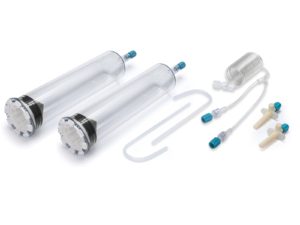
Key Takeaways:
- Wasting CT contrast media increases costs and harms the environment.
- Adjusting the dose by the patient and choosing the right vial size helps reduce waste.
- Staff training and regular system checks cut down on contrast loss.
- Vendors like Spectrum Medical Imaging Co. offer smarter supply options to avoid overstocking.
- Lowering contrast waste protects your budget and supports a cleaner future for medical imaging.
Every scan tells a story. And when CT contrast media is used well, it brings that story into sharper focus. But as important as contrast is to imaging, it’s also one of the most commonly wasted supplies in the industry. For imaging centers, this isn’t just a financial concern—it’s an environmental one too.
With increased focus on reducing medical waste and improving sustainable practices, the pressure is growing for centers to rethink how contrast media is handled. From leftover doses to expired stock, the opportunity to improve is right in front of us. By focusing on waste reduction, imaging teams can lower expenses while making a positive environmental impact.
Let’s explore how your center can reduce contrast waste and what that means for your budget, patients, and planet.
Understanding the Problem: Where Waste Begins
CT imaging requires precision, but behind the scenes, processes are often rushed or inconsistent. This leads to common waste points:
- Leftover contrast in vials or syringes
- Contrast flushed from the injector systems after scans
- Over-preparation of contrast amounts
- Unused or expired stock due to poor inventory rotation
Each of these might seem small at the moment. But over time, this adds up to thousands of dollars in lost product, not to mention added plastic waste from discarded packaging and vials.
For centers juggling both cost control and care quality, this kind of waste can quickly clash with financial goals.
The Environmental Impact Is Growing
Beyond cost, unused CT contrast media also affect the environment. Most contrast agents contain iodine, and some are formulated similarly to gadolinium-based contrast agents. Improper disposal of these agents means they can pass through water systems and even reach public waterways.
Studies now show trace contrast elements in rivers and soil in some regions. That raises concerns for water safety, fish life, and broader environmental health. In addition, every single-dose vial contributes to the carbon footprint and packaging-related waste, from plastic syringes to sealed containers.
Reducing contrast waste doesn’t just save money—it lowers the environmental footprint of medical imaging services across the board.
Why It Matters to Imaging Centers
From private practices to large radiology groups, imaging centers are feeling the pressure. Balancing quality care with cost control is a daily task. But the good news is that improving contrast usage hits both of these goals at once.
Here’s what’s gained by smarter handling of CT contrast media:
- Lower purchase and restocking costs
- Reduced need for waste disposal services
- Fewer delays caused by expired or missing supplies
- Better alignment with community sustainability goals
- Safer practices that also reduce adverse reactions
These aren’t abstract benefits. They affect real budgets, staff efficiency, and the center’s public image. Today, being a smart healthcare provider also means being a responsible one.
Key Strategies for CT Contrast Waste Reduction
If you’re ready to cut down on waste, you don’t need to make massive changes. Often, the most effective solutions come from simple adjustments and smarter habits. Here’s what works:
1. Use Contrast Based on Patient Needs
Not all patients need the same amount of contrast. Standardized dosing often leads to leftover products. By adjusting doses based on weight, scan type, or exam focus, you use only what’s needed, improving safety and reducing waste.
This is especially useful when managing patients with renal dysfunction or risk of renal impairment, where careful dosing is already required. Avoiding excess also lowers the risk of severe reactions or allergic reactions during contrast-enhanced CT scans.
2. Choose the Right Vial Sizes
Many contrast agents come in various vial sizes, but it’s common to default to a standard large vial. If that size doesn’t match the scan needed, the rest may be discarded.
Ask your supplier about different sizing options. Using smaller vials where appropriate cuts both product and packaging waste. This also lowers the number of items being stored and managed, improving workflow and reducing variable expenses.
3. Improve Inventory Rotation and Storage
Expired contrast is avoidable. Yet many centers find themselves tossing stock due to poor shelf rotation or overordering.
Assign a staff member to check expiration dates weekly. Use a “first in, first out” rule and avoid placing orders that exceed known monthly usage. With real-time visibility into inventory, many of these issues are resolved quickly.
4. Maintain Injector Systems Properly
Contrast waste can also happen at the injector level. If your equipment is leaking, flushing too much, or not delivering contrast efficiently, you’re losing value with every scan.
Spectrum Medical Imaging Co. offers equipment maintenance services that follow manufacturer guidelines, helping you reduce loss and improve scan consistency.
Regular maintenance means:
- Fewer injection errors
- Less contrast left in the system
- Better dosing control
Keeping your tools in shape keeps your budget in shape, too.
5. Train Technologists on Waste Awareness
Your staff plays a key role in waste control. They’re the ones preparing doses, handling injectors, and making real-time decisions. With the right training, they become your strongest asset in controlling waste.
Hold short sessions on:
- Measuring contrast for different scan types
- Avoiding waste during system priming
- Proper vial handling and reuse rules (where allowed)
- Spotting equipment issues early
Once staff connect their actions with budget impact and environmental benefits, they’ll naturally adopt more careful habits.
What Environmental Responsibility Looks Like in Imaging
Reducing waste is one of the easiest ways to start your center’s green journey. Unlike large infrastructure changes, it doesn’t require remodeling or a massive investment.
With less contrast wasted:
- There’s less packaging to dispose of
- Less iodine or gadolinium enters the gastrointestinal tract of environmental systems
- Your center’s carbon footprint shrinks
- You produce less plastic waste
For imaging teams looking to align with growing environmental standards—or show patients they care—this is a strong first step.
Let Your Vendor Help with Smarter Supply Choices
Vendors aren’t just for placing orders. They should also help you find ways to waste less. At Spectrum Medical Imaging Co., we help imaging centers by offering:
- A wide range of CT contrast media in various vial sizes
- Injector-compatible products from top brands
- Fast shipping so you never have to overstock
- Help with setup, equipment maintenance, and ordering tools
Want to take things further? Ask us how to match your monthly usage to your reorder schedule, and how you can avoid product loss through our system planning tips.
What This Means for Imaging Centers’ Long-Term
Waste isn’t just about contrast—it’s a reflection of how your imaging center runs. Reducing waste creates better habits across your whole team. It shows patients you care, it helps you spend better, and it supports cleaner healthcare.
And as environmental regulations and community expectations grow, waste reduction isn’t optional—it’s part of how modern healthcare operates.
Work with Spectrum Medical Imaging Co. for Smarter CT Supply Use
At Spectrum Medical Imaging Co., we’re proud to help imaging centers manage costs and improve daily operations. From CT contrast media to full imaging room solutions, our goal is to help your practice succeed with less waste and more value.
We support:
- Waste-aware supply planning
- Preventive maintenance and injector care
- Reliable delivery within 24–48 hours
- A team that knows your goals and works with you to meet them
Visit us to learn more or request help with planning your next supply order.