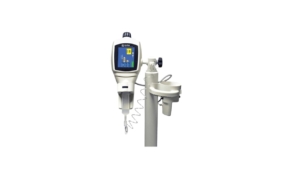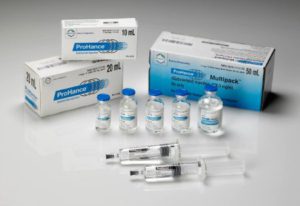
Injector tubing serves as the conduit for delivering medications, contrast media, and fluids in medical procedures. These specialized tubes connect syringes or fluid reservoirs to vascular access devices, ensuring precise delivery to patients. Flow rate consistency in power injection procedures determines whether dosages reach patients accurately and on schedule. Variable flow rates can cause underdosing, overdosing, or therapy interruptions that compromise patient outcomes and image quality.
Key Takeaways
- Injector tubing material selection impacts biocompatibility, temperature resistance, and cost efficiency in medical applications
- Flow rate consistency depends on tubing concentricity, check valve design, and dimensional uniformity throughout the system
- PVC dominates with 34.56% market share, while silicone holds 28.60% despite higher costs
- Component failure causes 19.4% of adverse events in hospital infusion systems
- North America accounts for 38-40% of global infusion pump adoption
What Is Injector Tubing and What Are Its Main Components?
Power injector tubing consists of flexible hollow tubes that transport fluids from source containers to patient access points. The system includes the tubing itself, connectors, check valves, and sealing mechanisms that maintain sterility. In clinical settings, tubing assemblies connect contrast media injectors to venous access points, including central venous catheters and peripheral lines.
What Materials Are Used in Injector Tubing?
Silicone tubing consists of alternating silicon and oxygen atoms, making it chemically inert and highly stable. PVC is a synthetic plastic polymer that requires chemical plasticizers such as DEHP to achieve flexibility. PVC dominates the medical tubing market with a 34.56% share due to its cost efficiency. Silicone holds 28.60% of the market share despite premium pricing.
Radio-frequency welding seals PVC tubing by applying electromagnetic energy that generates localized heat. This technique creates leak-proof connections without introducing contaminants or weakening the tubing material.
How Do Check Valves Integrate with Injector Tubing?
Check valves prevent reverse fluid flow within injector tubing systems during medical procedures. Duckbill valves are normally open valves that allow low cracking pressure and provide a non-tortuous path. Umbrella valves are normally closed elastomeric valves that work effectively when matched to a precise sealing surface. These components integrate directly into tubing assemblies or mount at connection points between tubing segments.
What Are the Key Design Features Affecting Flow Rate?
Tubing concentricity and dimensional uniformity directly control flow rate consistency in peristaltic pumps. Wall thickness variations create pressure inconsistencies that disrupt fluid delivery accuracy. Internal diameter precision ensures predictable volumetric flow when pumps compress tubing at specified rates. Shore hardness affects how tubing responds to pump roller compression and influences flow rate stability.
Why Is Flow Rate Critical in Injector Tubing?
Flow rate determines medication delivery timing and dosage accuracy in clinical applications. Inconsistent flow rates compromise treatment efficacy and increase risks of adverse patient events.
How Does Flow Rate Affect Clinical Outcomes?
Precise flow rate control ensures patients receive prescribed medication volumes within specified timeframes. Deviations from target flow rates can result in therapeutic failure or toxicity events. In contrast-enhanced imaging, flow rate accuracy directly affects image quality by controlling the timing and concentration of contrast material delivered through the vascular access site. Essential consumables maintain flow rate accuracy throughout contrast injection procedures. Automated infusion systems rely on consistent tubing performance to deliver drugs at programmed rates.
What Factors Influence Flow Rate Consistency?
Tubing material properties determine resistance to compression and affect pump calibration accuracy. Temperature changes alter tubing flexibility and dimensional stability during extended procedures. In power injection applications, these properties are especially critical because contrast media injectors deliver contrast material at high flow rates under significant pressure. Occlusions from kinked tubing or particulate matter disrupt flow patterns and trigger pump alarms. Contrast power injector syringes and tubing specifications must match pump requirements for optimal performance.
How Do Check Valves Prevent Backflow and Affect Flow Rate?
Check valves maintain unidirectional flow by closing when reverse pressure occurs in the system. Cross-contamination risk from reverse flow increases without proper check valve function in multi-line systems. Valve cracking pressure must balance backflow prevention with minimal resistance to forward flow. High cracking pressure reduces flow rate efficiency while insufficient pressure allows reverse contamination.
How Do Healthcare Providers Choose Injector Tubing and Related Components?
Facility administrators evaluate multiple criteria when selecting tubing and valve components for medical systems. Decision frameworks balance clinical performance requirements against budget constraints and regulatory compliance standards.
What Are the Primary Decision Criteria for Medical Component Selection?
Quality and reliability account for 22% weighting in healthcare procurement decisions across medical devices. Safety compliance accounts for 20% weighting as facilities prioritize regulatory adherence and patient protection. Cost and value account for 18% weighting when administrators compare lifecycle expenses versus initial pricing. Delivery reliability and technical support represent additional factors influencing vendor selection for critical supplies.
How Do Safety Standards and Compliance Impact Choice?
ISO 13485 compliance demonstrates that manufacturers maintain quality management systems for medical device production. ISO 10993 biocompatibility standards ensure materials do not cause adverse tissue reactions during patient contact. FDA regulations require medical devices to meet safety and effectiveness standards before market entry. Adherence to ISO 10993-1 for biological evaluation assesses material and component interaction with biological tissues.
What Role Does Cost and Supply Chain Play in Procurement?
Silicone tubing costs $1.50 to $4.50 per meter while PVC tubing costs $0.50 to $1.20 per meter. Silicone tubing can cost three to four times more than standard PVC tubing options. Budget-conscious facilities choose PVC for single-use applications where biocompatibility requirements are less stringent. Supply chain reliability becomes critical when facilities depend on the consistent availability of contrast injector consumables for daily operations.
What Are the Common Materials for Injector Tubing and Their Advantages?
Material selection determines tubing performance across temperature ranges, chemical exposures, and mechanical stress conditions. Each tubing material offers distinct benefits that match specific clinical applications and budgetary constraints.
What Are the Characteristics and Benefits of Silicone Tubing?
Silicone has extremely high biocompatibility, while PVC has moderate biocompatibility depending on the additives present. Silicone has excellent temperature resistance, while PVC has low temperature resistance and melts under heat. Silicone contains no harmful plasticizers, while PVC requires chemical plasticizers to achieve necessary flexibility. Silicone tubing has a higher upfront cost but offers superior durability for reusable medical applications.
Silicone has a slightly translucent appearance compared to the crystal clear visibility of plastics. This optical difference affects the clinical staff’s ability to detect air bubbles in fluid lines. Silicone maintains flexibility across wider temperature ranges than PVC during sterilization and storage conditions.
How Does PVC Tubing Compare in Performance and Cost?
PVC offers crystal clear visibility, while silicone is slightly translucent in standard medical grades. This transparency advantage helps nurses identify air bubbles and verify proper fluid flow visually. PVC melts at high heat, limiting sterilization options compared to autoclavable silicone alternatives. PVC has potential for chemical leaching with aggressive drugs that dissolve plasticizers from tubing walls.
B. Braun develops DEHP-free tubing options that reduce plasticizer leaching risks for sensitive applications. Cost advantages make PVC the preferred choice for high-volume disposable tubing in budget-conscious facilities.
What Are Common Applications Based on Tubing Material?
Silicone tubing suits long-term implantable devices, peristaltic pump systems, and applications requiring repeated sterilization. PVC tubing dominates short-term infusion sets, blood collection systems, and disposable fluid delivery assemblies. Teleflex Medical serves as a global leader in custom extrusions and catheters for specialized applications. Application-specific requirements determine whether facilities prioritize material performance advantages or cost efficiency when choosing contrast injectors and associated components.
How Are Check Valves Designed to Support Injector Tubing Performance?
Check valve engineering balances pressure requirements with flow control precision for medical fluid systems. Design parameters include cracking pressure thresholds, sealing surface geometry, and elastomer material selection.
What Are the Main Types of Elastomeric Check Valves?
Duckbill valves feature two flexible lips that seal under reverse pressure but open easily. Umbrella valves use a circular disk that lifts from a sealing surface when forward pressure applies. Disk and V-Ball valves serve specific pressure and flow requirements in complex medical devices. Each valve type offers advantages for particular flow rate ranges and backflow prevention needs.
How Does Valve Design Affect Cracking Pressure and Flow Control?
Cracking pressure determines the minimum forward pressure required to open a normally closed valve. Low-cracking-pressure valves minimize flow resistance but may not seal effectively under high backpressure. Valve geometry affects how quickly the seal opens and how smoothly fluid begins flowing. Elastomer durometer influences both sealing effectiveness and the force required to initiate forward flow.
What Are Best Practices in Selecting Check Valves for Medical Devices?
Nordson MEDICAL provides a single-source partnership for custom-configuration check valves matching exact pressure specifications. Postponing consultation with check valve suppliers can cause delays and expensive redesigns during development. Engineers must consider fluid viscosity, expected pressure ranges, and cyclic fatigue when specifying valve components. Early collaboration with valve manufacturers ensures designs meet both performance requirements and regulatory compliance standards.
What Risks Are Associated with Injector Tubing and Flow Rate Variability?
Equipment failures in fluid delivery systems create serious patient safety hazards requiring systematic risk management. Understanding common failure modes helps facilities implement preventive measures and improve component reliability.
What Are the Common Failure Modes of Infusion Systems?
Component failure is the primary direct cause of infusion pump failures, including sensor failure and occlusion. Infusion tube occlusion can cause therapy interruption when kinked tubing or particulate blockages restrict flow. Sensor failure can lead to incorrect dosage delivery when pumps cannot accurately detect flow rates. Connection breakage can cause serious injury or death through contrast extravasation or air embolism events, with extravasation risk increasing when vascular access devices are improperly matched to power injection tubing. This risk is particularly relevant in interventional radiology, where high flow rates are standard.
Generic “doesn’t work” failure descriptions highlight the critical need for better documentation and staff training. Detailed failure reporting enables maintenance teams to identify patterns and implement targeted corrective actions.
How Do Tubing and Valve Failures Impact Patient Safety?
Infusion pumps represent 19.4% of all adverse events in hospital settings across multiple studies. Energy hazard, particularly excess energy resulting in overdose, poses severe risks during component malfunctions. The maximum repair time recorded in Neurological ICU settings reached 1,237.99 hours for critical pump failures. Timely contrast injector service prevents equipment downtime that disrupts patient care schedules.
What Measures Improve Reliability and Reduce Adverse Events?
Healthcare organizations implement facility-wide risk assessment programs targeting infusion pump problems systematically. Facilities utilize incident reports, event logs, and smart pump data to identify recurring component failures. Professional maintenance services provide expert troubleshooting that reduces mean time to repair. Preventive maintenance programs catch wear-related failures before they compromise patient treatments.
How Do Demographics and Market Trends Influence Injector Tubing Demand?
Population aging and regional healthcare development drive growth in medical device component markets. Demographic patterns shape both the total market size and geographic distribution of demand for tubing systems.
Which Regions Lead in the Adoption of Advanced Injector Components?
North America accounts for 38% to 40% of the infusion pump market due to infrastructure. Europe holds 28% of the infusion pump market with strong regulatory frameworks ensuring patient safety. Asia-Pacific represents 24% of the infusion pump market and shows the fastest growth rates. Regional variations reflect differences in healthcare spending, regulatory requirements, and technology adoption patterns.
How Does the Aging Population Affect Usage Rates?
The number of individuals aged 65 years or older will reach 1.5 billion globally by 2050. This demographic represents 16% of the global population and requires increased chronic disease management. Aging populations need more frequent infusion therapy, dialysis treatments, and contrast-enhanced imaging procedures. Demographic trends ensure sustained demand growth for medical tubing and fluid delivery system components.
What Urban-Rural Disparities Exist in Medical Device Adoption?
Urban EHR adoption rate is 74% compared to 64% in rural healthcare facility settings. Rural facilities face budget constraints limiting investment in premium medical components and advanced technology. Rural facilities rely heavily on Medicaid funding, which restricts capital equipment purchasing flexibility. Technology gaps between urban and rural settings affect both equipment sophistication and contrast injector repair service availability.
Injector Tubing: Balancing Material, Design, and Flow Rate for Optimal Performance
The global medical tubing market reached USD 12.53 billion in 2025, with strong growth projected. Medical tubing market projections show USD 18.41 billion by 2030 at an 8.0% CAGR. The medical tubing market CAGR of 8.0% during the forecast period reflects increasing minimally invasive procedure adoption. The medical check valves market is estimated to reach USD 2.58 billion by 2035 with steady expansion.
The check valves market is growing at a CAGR of 7.2% from 2026 to 2035. Market growth stems from rising surgical volumes, home healthcare expansion, and advancing fluid management technologies. Material innovation continues as manufacturers develop specialized polymers meeting stricter biocompatibility and performance requirements.
Healthcare facilities must balance initial component costs against long-term performance and patient safety considerations. Spectrum Medical Imaging Co. has served imaging centers for 30+ years with comprehensive equipment solutions. Proper material selection, valve integration, and maintenance protocols ensure injector tubing systems deliver consistent flow rates through peripheral and central venous catheters alike. Clinical staff training and systematic failure documentation improve reliability and reduce adverse event rates.
Get Expert Support for Your Contrast Media Injector Tubing and Vascular Access Needs
Choosing the right injector tubing and vascular access devices is one of the most consequential decisions an imaging department makes. The wrong fit between power injection tubing and venous access points raises the risk of contrast extravasation, flow rate errors, and compromised image quality on every scan. Spectrum Medical Imaging Co. has supported imaging centers, hospitals, surgery centers, and private practices for 30+ years with contrast media injectors, compatible tubing sets, and contrast material sourcing. Contact us to speak with a product specialist about contrast media injectors, tubing compatibility, and vascular access device solutions for your facility.