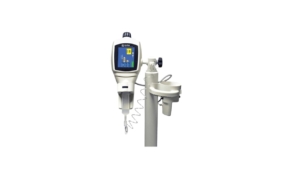
Contrast media delivery systems automate the injection of contrast agents during diagnostic imaging procedures. These specialized medical devices ensure precise timing and dosage control during CT and MRI scans.
The global contrast media injectors market reached USD 2.24 billion in 2025 and is projected to grow to USD 4.72 billion by 2033. Healthcare facilities increasingly adopt advanced delivery system design to improve patient throughput and reduce contrast waste.
Key Takeaways
- Contrast media delivery systems automate contrast injection during CT and MRI procedures to improve diagnostic image quality
- Single-head injectors cost $30,000-$45,000, while dual-head systems range from $45,000-$65,000+ with higher efficiency
- Syringeless systems grow at 11% CAGR and reduce patient preparation time from 60 seconds to 10 seconds
- CT contrast delivery commands 67.4% market share, while MRI contrast delivery holds 20% of global adoption
- Facilities performing over 6,000 annual exams achieve ROI payback within 1.5-2 years using advanced injector systems
What Are Contrast Media Delivery Systems?
Contrast media delivery systems are automated injection devices that administer contrast agents during diagnostic imaging procedures. These systems control injection rate, volume, and timing to optimize image quality and patient safety.
The broader contrast media market demonstrates parallel growth patterns with related injection technology. Market valuation reached USD 7.31 billion in 2025, with projections indicating USD 13.86 billion by 2033.
What Is the Purpose of These Systems in Diagnostic Imaging?
These systems deliver contrast agents at precise flow rates to enhance the visualization of blood vessels and tissues. Automated delivery reduces human error and standardizes protocols across multiple imaging procedures.
Market expansion reflects increasing diagnostic imaging volume driven by chronic disease prevalence and aging populations. The contrast media injectors market maintains a 9.52% CAGR from 2026 to 2033.
What Key Components Constitute Contrast Media Delivery Systems?
Single-head systems utilize one syringe for contrast delivery with saline administered through separate manual steps. Dual-head systems feature two independent syringes, enabling simultaneous or programmed sequential injection patterns.
Syringeless systems eliminate manual syringe handling by using automated contrast media cartridges that reduce contamination risk. Manual syringe changes in traditional systems slow workflow, while automated contrast media cartridges streamline patient preparation.
How Do CT and MRI Delivery Systems Differ Fundamentally?
CT injectors command the largest market share at 67.4% due to high procedure volumes and standardized protocols. Magnetic resonance imaging (MRI) injectors hold 20.0% market share and require non-ferrous construction so their magnetic behavior does not interfere with the scanner field.
MRI systems deliver MRI contrast agents at lower flow rates than iodinated CT contrast media, and most gadolinium agents reach the patient as gadolinium-based compounds suited to soft-tissue visualization. Linear contrast agents differ from macrocyclic types in stability, a property clinicians weigh alongside gadolinium retention when matching an agent to each exam. Cath Lab and interventional radiology injectors hold 10.0% market share with high-pressure capabilities for angiography procedures.
How Do Different Injector Types Function?
Different injector types serve distinct clinical needs based on procedure volume, protocol complexity, and budget constraints. System architecture determines workflow efficiency, contrast media usage, and total operational costs.
Healthcare facilities evaluate injector categories by assessing patient throughput requirements and protocol automation capabilities. Selection decisions balance initial capital investment against long-term operational savings and departmental workflow improvements.
What Defines Single-Head Contrast Injectors?
Single-head contrast injectors deliver contrast media through one syringe, with saline administered separately after manual intervention. Sequential delivery occurs in these systems but limits bolus optimization compared to dual-head platforms.
Manual syringe changes reduce workflow efficiency and increase technologist’s hands-on time between patients. Staff training for single-head systems typically requires 1-2 hours due to simpler operational requirements.
How Do Dual-Head Injectors Optimize Contrast Delivery?
Dual-head systems reduce contrast media usage by 10-18% through programmed saline flush protocols that prevent waste. These platforms support fully automated multiphase protocols essential for advanced angiography and cardiac imaging applications.
Higher capital costs represent a disadvantage as dual-head systems require a 35-50% premium over single-head models. Maintenance costs run approximately 25% higher with longer staff training periods required for protocol programming.
What Innovations Are Syringeless Systems Bringing to the Market?
Syringeless systems grow at a CAGR exceeding 11% by eliminating manual syringe preparation and handling steps. These platforms save approximately $8 per patient in contrast to waste through closed-system cartridge design.
Patient preparation time drops from 60 seconds to 10 seconds with syringeless technology, improving departmental throughput. Higher consumable costs and potential vendor lock-in with proprietary cartridges represent implementation considerations for facilities.
What Factors Influence Healthcare Providers’ Choice of Delivery Systems?
Healthcare providers evaluate contrast media delivery systems based on accuracy, safety features, and workflow integration capabilities. Decision frameworks prioritize systems that reduce radiation dose, minimize contrast reactions, and support standardized protocols.
Cost analysis extends beyond initial purchase price to include contrast media savings and staff productivity gains. Facilities performing high procedure volumes justify premium systems through faster patient turnaround and reduced per-exam costs.
How Do Accuracy and Safety Features Affect Decisions?
Accuracy ranks as the highest priority at 95% importance among healthcare facility decision-makers evaluating injection systems. Consistent contrast delivery produces high-quality diagnostic images while reducing variability between technologists and imaging sessions.
Safety features maintain 92% importance with automated delivery systems and patient monitoring capabilities, preventing extravasation events. FDA compliance requirements and dose-tracking capabilities increasingly influence purchasing decisions as regulatory oversight intensifies.
In What Ways Do Speed and Ease of Use Impact Workflow?
Speed and efficiency rank at 88% importance as high-volume facilities prioritize rapid patient turnaround and multi-patient capabilities. Workflow acceleration through automated protocols reduces exam room occupancy time and increases daily procedure capacity.
Ease of use maintains 80% importance with user-friendly interfaces optimizing technologist workflows and reducing training time. Integration with existing PACS and RIS systems enables seamless protocol management across multiple imaging modalities and departmental locations.
How Are Cost and Total Ownership Considered?
Single-head systems range from $30,000 to $45,000, while dual-head platforms cost $45,000 to $65,000 or more. Syringeless systems command premium pricing from $45,000 to $75,000+, reflecting advanced automation and closed-system design.
Dual-head systems carry a 35-50% cost premium over single-head models but generate contrast savings offsetting higher acquisition costs. Payback periods for premium systems typically span 1.5 to 2 years through reduced contrast waste and improved patient throughput.
How Does Geographic and Facility Setting Affect Adoption?
Geographic distribution and facility characteristics significantly influence contrast media delivery systems adoption patterns and technology preferences. Regional infrastructure, reimbursement policies, and healthcare spending levels determine market penetration rates and system sophistication.
Urban and rural facility requirements diverge based on patient volumes, available capital budgets, and access to technical support. High-volume centers invest in advanced platforms while smaller facilities prioritize cost-effective solutions meeting basic operational needs.
What Regional Trends Shape Global Market Distribution?
North America accounts for 39% of the global market share, driven by advanced healthcare infrastructure and favorable reimbursement policies. Early adoption of AI-enabled injectors and regulatory requirements for dose-tracking accelerate technology implementation in this region.
Asia-Pacific demonstrates the fastest growth trajectory with a projected CAGR of 9.51% through expanding healthcare infrastructure. Mid-income hospitals in tier-2 and tier-3 cities drive CT and MRI equipment installations, supporting contrast injector market expansion.
How Do Urban and Rural Facilities Differ in System Preferences?
Urban centers favor dual-head and syringeless systems due to higher patient volumes requiring rapid turnaround capabilities. These facilities prioritize throughput optimization and advanced protocol automation, supporting complex imaging procedures and interventional applications.
Rural facilities prefer single-head systems due to budget constraints and lower annual examination volumes under 6,000 scans. Limited access to technical support and tighter capital budgets make reliability and simplicity higher priorities than advanced features.
What Role Do Regulatory and Reimbursement Policies Play?
Regulatory frameworks determine safety feature requirements and compliance documentation standards that influence system selection and operational protocols. Medical Device Regulation implementation in Europe increases demand for systems with advanced monitoring and traceability capabilities.
Reimbursement policies affect procedure volumes and imaging facility profitability, directly impacting capital equipment investment decisions. Higher reimbursement rates for contrast-enhanced studies justify premium injector systems while restrictive policies favor cost-minimization strategies.
What Are the Operational and Economic Benefits of Advanced Systems?
Advanced contrast media delivery systems deliver measurable operational improvements through reduced contrast waste and faster patient preparation protocols. Economic benefits accumulate through lower per-exam costs, increased daily procedure capacity, and reduced staff time requirements.
Healthcare facilities achieve return on investment by converting efficiency gains into additional billable procedures and reduced supply expenses. Dual-head and syringeless platforms demonstrate superior performance in high-volume settings where throughput optimization generates substantial financial returns.
How Does Contrast Media Efficiency Improve with Dual-Head and Syringeless Injectors?
Dual-head systems reduce contrast media waste by 10-18% through automated saline flush sequences that prevent residual contrast. Programmed delivery protocols optimize bolus timing while minimizing total contrast volume required for diagnostic image quality.
Mercy West eliminated the waste of 25 mL of contrast per patient by implementing syringeless technology that uses closed-system cartridges. Multi-dose capability prevents contrast media waste that occurs when drawing from partially used bottles in traditional systems.
What Workflow Enhancements Result from Automated Delivery?
Mercy West Hospital in Cincinnati, Ohio, achieved an 83% reduction in patient preparation time using syringeless systems. Preparation time dropped from 60 seconds to just 10 seconds, enabling higher patient throughput and reduced exam room occupancy.
Mount Sinai eliminated 5-minute manual syringe preparation, requiring only a one-minute morning setup for 10 hours of operation. The closed-system design improved facility cleanliness by eliminating contrast drips that occurred with traditional syringe-based systems.
How Is Training and Maintenance Affected by System Complexity?
Single-head systems require minimal training periods of 1-2 hours due to straightforward operational procedures and limited programming options. Dual-head platforms demand longer training for protocol programming but enable standardization across multiple technologists and shifts.
Syringeless systems reduce ongoing training requirements through simplified patient setup, eliminating manual syringe handling procedures. Maintenance costs run 25% higher for dual-head systems, but advanced power injector platforms deliver superior uptime through automated diagnostics and preventive maintenance alerts.
How Do Healthcare Facilities Implement Contrast Media Delivery Solutions?
Healthcare facilities implement contrast media delivery solutions using volume-based decision frameworks that align system capabilities with procedural demands. Strategic planning considers current exam volumes, growth projections, and specialty service line expansion affecting contrast injection requirements.
Implementation teams evaluate clinical workflows, physical space constraints, and integration requirements with existing imaging equipment and information systems. Successful deployments balance technical specifications against budget limitations and staff readiness for technology adoption.
What Volume-Based Decision Frameworks Guide System Selection?
Facilities performing fewer than 6,000 contrast-enhanced exams annually achieve optimal value with single-head systems meeting basic operational requirements. Lower procedure volumes cannot generate sufficient contrast savings or throughput gains to justify premium dual-head or syringeless systems.
Dual-head systems yield $5,000-$9,000 in annual savings for facilities exceeding 6,000 examinations through reduced contrast waste and increased capacity. High-volume centers operating multiple scanners deploy advanced CT contrast protocols that require dual-head automation for consistent image quality.
Which Real-World Case Studies Demonstrate System Impact?
Goshen Hospital in Northern Indiana operates a 24/7 emergency CT scanner using advanced injector systems for rapid turnaround. Mid-protocol contrast adjustment capabilities without patient disconnection proved invaluable for emergency imaging requiring immediate protocol modifications.
Bracco CT Exprès syringeless system implementation at multiple sites demonstrates workflow transformation and contrast waste elimination. Early adopters report dramatic preparation time reductions and cleanliness improvements through closed-system cartridge design, eliminating manual handling steps.
How Do These Systems Support Clinical and Operational Goals?
Contrast media delivery systems support clinical goals by ensuring consistent contrast enhancement across patient populations and examination types. Standardized protocols reduce image quality variability and enable reliable diagnostic interpretation regardless of technologist experience levels.
Operational goals, including patient throughput, cost control, and staff productivity, improve through automated delivery system capabilities. High-volume facilities achieve substantial efficiency gains, justifying capital investment through measurable improvements in departmental financial performance and patient satisfaction.
What Emerging Technologies and Trends Will Shape Future Systems?
Emerging technologies focus on artificial intelligence integration, enhanced safety monitoring, and workflow automation to address evolving healthcare demands. Market growth projections indicate continued innovation in delivery system design driven by value-based care requirements and patient safety initiatives.
Technological advancement priorities include dose optimization, contrast reaction prediction, and seamless integration with enterprise imaging systems and electronic health records. Future systems will incorporate predictive analytics and machine learning to personalize contrast protocols based on patient characteristics and clinical indications.
How Is AI Integration Enhancing Contrast Delivery?
AI algorithms analyze patient demographics, clinical history, and examination protocols to recommend optimal contrast volumes and injection rates. Machine learning models predict ideal bolus timing based on cardiac output and vascular anatomy, improving image quality consistency.
Automated protocol selection reduces technologist decision-making burden while maintaining adherence to evidence-based imaging guidelines and safety standards. Real-time monitoring systems use AI to detect extravasation events earlier, enabling immediate intervention and reducing patient complications.
What Advances Are Expected in Safety and Automation?
Advanced safety systems will incorporate continuous patient monitoring with automated injection termination if adverse reactions occur during contrast administration. Dose-tracking integration with radiation exposure monitoring enables comprehensive patient safety documentation meeting regulatory compliance requirements.
Automation advances will extend beyond injection control to include automated patient positioning verification and protocol confirmation workflows. Closed-loop systems connecting injectors with imaging equipment will enable dynamic protocol adjustments based on real-time scan parameters and image quality feedback.
How Will Market Growth Influence System Innovation?
Sustained market growth at 9.52% CAGR creates competitive pressure, driving continuous innovation in delivery system capabilities and cost efficiency. Manufacturers invest in research and development to differentiate products through superior workflow integration and clinical outcome improvements.
Other applications currently hold 2.6% market share but represent emerging opportunities in hybrid imaging and specialized interventional procedures. Research into new contrast agent designs points toward dual-mode imaging probes and gold nanoparticle MRI contrast agents, some studied for targeted drug delivery and wider biomedical applications. Market expansion into developing regions will drive demand for cost-effective systems, balancing advanced features with budget constraints.
Evaluating Contrast Media Delivery Systems in CT and MRI for Optimal Imaging Outcomes
CT contrast delivery and MRI contrast delivery require distinct technical specifications based on imaging modality requirements and contrast agent properties. Single-head systems provide cost-effective solutions for lower-volume facilities, while dual-head and syringeless platforms deliver superior efficiency in high-throughput environments.
Healthcare facilities must align system selection with procedural volume, budget parameters, and workflow optimization priorities to maximize return on investment. Contrast media delivery systems represent critical infrastructure investments supporting diagnostic imaging quality and departmental operational performance.
Implementation success depends on a comprehensive evaluation of clinical needs, financial constraints, and long-term strategic objectives for imaging services. Spectrum Medical Imaging Co. provides expertise in contrast delivery system selection, supporting healthcare facilities with imaging solutions that optimize their diagnostic capabilities.
Advanced contrast media delivery systems transform imaging department workflows while reducing costs and improving patient outcomes. Professional guidance and comprehensive support services ensure the successful implementation and ongoing optimization of contrast delivery technology investments.
Plan Your Contrast Delivery System With Spectrum Medical Imaging Co.
The right contrast media delivery system shapes image quality, workflow, and cost for years. Spectrum Medical Imaging Co. brings 30+ years of medical imaging experience to help your facility match single-head, dual-head, or syringeless injectors to your exam volume and budget. Our team supports selection, installation, service, and ongoing optimization so your imaging operations stay reliable. Contact us to talk through the contrast delivery options that fit your imaging center.