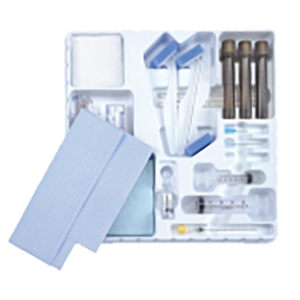
Pediatric contrast agents require careful selection based on stability profiles, renal function assessment, and age-appropriate dosing. Clinical evidence shows 80% of pediatric hospitals now use macrocyclic gadolinium-based contrast agents because of retention concerns with less stable formulations. Iodinated contrast protocols prioritize low-osmolar nonionic agents, hydration when appropriate, and systematic evaluation of diagnostic necessity before every contrast-enhanced examination.
Safe pediatric imaging contrast depends on matching agent characteristics to patient vulnerability and clinical need. Radiologists must balance diagnostic accuracy with exposure minimization, especially in children requiring repeated imaging. Evidence-based radiology children contrast choice integrates renal risk stratification, hypersensitivity history, and modality-appropriate agent selection.
Key Takeaways
- Macrocyclic gadolinium-based agents are preferred for pediatric MRI because of superior stability and reduced retention concerns
- Iodinated contrast decisions in children should prioritize eGFR assessment, hydration protocols, and minimal effective dosing
- Eighty percent of pediatric hospitals use macrocyclic GBCAs, with 58% switching agents in the prior year for safety reasons
- Lower-dose contrast options show strong patient preference, with 92% interested in half-dose gadolinium formulations
- Non-contrast MRI can replace gadolinium use when diagnostic accuracy remains equivalent for the clinical question
What Are the Main Types of Contrast Media Used in Pediatrics?
Pediatric imaging relies on four primary contrast categories, each optimized for specific modalities and clinical scenarios. Iodinated agents dominate CT and angiography workflows, representing 95.6% of contrast volume in Medicare analysis. Gadolinium-based agents account for 4.4% of volume but carry disproportionate importance in pediatric MRI safety decisions.
Microbubble ultrasound agents enable renal and hepatic imaging without ionizing radiation. Barium-based formulations remain essential for gastrointestinal imaging when appropriate for the clinical question.
How Do Iodinated and Gadolinium-Based Agents Differ?
Iodinated contrast media use low-osmolar nonionic monomers or iso-osmolar dimers to enhance X-ray attenuation in CT studies. These agents represented 65.3% of 2024 contrast media revenue and dominated routine pediatric CT protocols. Low-osmolar formulations such as iohexol and ioversol are first-line choices because of reduced hypersensitivity rates.
Gadolinium-based contrast agents contain chelated gadolinium compounds that shorten T1 relaxation time in MRI sequences. Modern pediatric practice strongly favors macrocyclic Group II agents because of superior molecular stability. Macrocyclic formulations reduce gadolinium retention risk compared to legacy linear agents, no longer recommended for pediatric use.
What Roles Do Microbubble Ultrasound and Barium-Based Agents Play?
Microbubble ultrasound agents consist of gas-filled formulations designed for contrast-enhanced ultrasound imaging. The microbubble market reached approximately USD 624.9 million in 2025, representing 8.5% of the total contrast market value. CEUS agents enable renal lesion characterization and hepatic imaging without nephrotoxicity or ionizing radiation.
Barium-based contrast media serve enteric and gastrointestinal imaging through oral or rectal administration. The barium segment generated approximately USD 299.0 million in 2025 market value. These agents remain essential for fluoroscopic gastrointestinal studies when clinical questions require direct mucosal evaluation.
Why Are Macrocyclic Gadolinium-Based Agents Preferred for Children?
Group II gadolinium agents feature stable macrocyclic molecular structures that resist gadolinium dissociation in physiologic conditions. Clinical evidence shows zero nephrogenic systemic fibrosis events after 4,931 administrations in patients with eGFR below 30. This safety profile has driven rapid adoption in pediatric hospitals concerned about long-term retention.
Eighty percent of pediatric hospitals currently use macrocyclic agents, with 58% reporting agent switches in the prior year. Macrocyclic GBCAs demonstrate superior thermodynamic and kinetic stability compared to linear formulations. Gadolinium deposition concerns in developing pediatric brains have accelerated migration away from less stable legacy compounds.
How Do Safety and Diagnostic Needs Influence Contrast Media Selection in Children?
Safety considerations and diagnostic necessity drive pediatric contrast decisions more than operational convenience or cost. Evidence shows 92% of patients express interest in lower-dose gadolinium options when repeated imaging is necessary. Clinicians prioritize exposure minimization while maintaining diagnostic confidence sufficient to guide treatment.
Pediatric protocols emphasize contrast use only when imaging findings will materially change clinical management. Nearly all eligible respondents in pediatric endocrine brain MRI surveys would eliminate routine gadolinium use if non-contrast accuracy proved equivalent. This demonstrates that diagnostic efficacy requirements determine contrast use rather than institutional habit.
When Is Contrast Use Necessary Versus Avoidable in Pediatric Imaging?
Approximately 60% of pediatric endocrine brain MRI studies currently include routine gadolinium administration despite growing non-contrast alternatives. High-resolution non-contrast MRI sequences are accessible in 83.5% of surveyed pediatric imaging centers. Radiologists remain willing to modify protocols when non-contrast techniques deliver equivalent diagnostic performance.
Contrast necessity depends on whether enhancement patterns provide clinically actionable information beyond morphologic imaging. Lesion characterization, vascularity assessment, and blood-brain barrier integrity evaluation may require contrast-enhanced sequences. Protocols should systematically document contrast justification for every pediatric examination.
How Does Renal Risk Affect Pediatric Contrast Decisions?
Nephrogenic systemic fibrosis risk exists in severe kidney disease when unstable gadolinium agents release free gadolinium ions. Contrast-induced acute kidney injury remains a concern in vulnerable pediatric patients with baseline renal impairment. Evidence demonstrates zero NSF events with Group II macrocyclic agents in patients with eGFR below 30.
Renal function assessment using age-appropriate eGFR calculations should precede every contrast decision in pediatric populations. Very little independent AKI risk exists when eGFR remains at or above 30. Risk stratification enables informed benefit-risk evaluation rather than blanket contrast avoidance.
What Protocols Optimize Safety for High-Risk Pediatric Patients?
Comprehensive child-safe contrast protocols include systematic renal risk stratification based on validated pediatric eGFR calculations. Hydration protocols should begin before contrast administration in patients with borderline renal function or dehydration risk. Dose minimization strategies use weight-based calculations to deliver the minimum contrast volume necessary for diagnostic confidence.
Selection of the least risky clinically appropriate agent requires matching formulation stability to patient vulnerability. Benefit-risk review becomes mandatory when eGFR falls below 30 or when multiple risk factors coexist. Protocol adherence monitoring ensures consistent application of safety measures across all pediatric contrast examinations.
What Are the Best Practices for Using Contrast Media in Pediatric Kidney Disease?
Pediatric kidney disease management requires kid-friendly contrast media protocols that balance diagnostic necessity with renal protection. Age-appropriate eGFR assessment methods provide more accurate renal function estimates than adult formulas. Guidelines emphasize that clinically indicated Group II gadolinium agents should not be withheld solely because of kidney function.
Hydration and dose minimization form the foundation of renal protection in pediatric contrast imaging. Preventive hydration addresses volume depletion that increases AKI risk independent of contrast exposure. Lower-dose formulations reduce total gadolinium burden while maintaining diagnostic image quality.
How Should eGFR Guide Contrast Choice and Dose in Children?
Age-appropriate eGFR calculation methods must replace adult formulas to ensure accurate pediatric renal function assessment. Pediatric-specific equations account for developmental changes in glomerular filtration and body surface area relationships. Very little evidence supports independent AKI risk from intravenous iodinated contrast when eGFR remains at or above 30.
eGFR values below 30 trigger enhanced scrutiny of contrast necessity and selection of the most stable agents. Risk stratification protocols should incorporate eGFR alongside hydration status, cardiovascular function, and baseline kidney disease severity. Dose adjustments based on eGFR thresholds help minimize exposure while maintaining diagnostic adequacy.
What Role Does Hydration and Dose Minimization Play?
Preventive hydration reduces AKI risk in high-risk pediatric patients by maintaining renal perfusion and facilitating contrast elimination. Hydration protocols should begin before contrast administration and continue afterward based on individual risk assessment. Ninety-two percent of surveyed patients expressed interest in lower-dose gadolinium formulations when clinically appropriate.
Weight-based dosing ensures pediatric patients receive the minimum effective contrast volume for diagnostic confidence. Seventy-eight percent of multiple sclerosis patients preferred half-dose gadolinium protocols when image quality remained adequate. Eighty-five percent of routine breast-screening patients showed strong interest in lower-dose options.
When Are Alternatives to Iodinated and Gadolinium Agents Recommended?
Dotarem, a macrocyclic Group II GBCA containing gadoterate meglumine, ranks among preferred agents for pediatric MRI applications. This formulation demonstrates particular value in patients with borderline renal function requiring gadolinium-enhanced imaging. Macrocyclic stability reduces retention concerns in developing pediatric populations.
Omnipaque (iohexol) and Optiray (ioversol) serve as first-line low-osmolar iodinated agents for pediatric CT examinations. Visipaque (iodixanol) provides an iso-osmolar alternative for selected higher-risk pediatric patients requiring additional osmolality reduction. Agent selection should match formulation characteristics to individual patient risk profiles.
How Do Provider and Patient Preferences Impact Pediatric Contrast Media Choices?
Provider preferences in pediatric imaging have shifted rapidly toward macrocyclic gadolinium agents because of retention concerns and regulatory guidance. Fifty-eight percent of pediatric hospitals switched contrast agents in the prior year, demonstrating active engagement with evolving safety evidence. Twenty-three percent of remaining facilities are actively considering agent switches.
Patient and family preferences increasingly prioritize safety and exposure minimization over convenience. Ninety-one percent of surveyed patients would switch imaging providers to access lower-dose contrast options. Ninety percent would travel 25 or more miles to reduce contrast exposure.
What Are the Trends in Pediatric Hospital Contrast Agent Adoption?
Pediatric hospital adoption patterns show rapid migration toward macrocyclic gadolinium formulations as safety evidence accumulates. Eighty-three percent of hospitals considering agent switches favor gadoterate meglumine specifically. This concentration reflects confidence in macrocyclic stability and regulatory acceptance.
Agent switching represents active safety optimization rather than passive response to formulary pressure. Provider education about retention concerns and stability differences drives voluntary protocol updates. Pediatric-focused institutions lead adoption trends because of heightened sensitivity to long-term exposure consequences.
How Do Patients and Families Prioritize Safety Versus Cost?
Safety considerations outweigh cost-per-examination pricing in pediatric imaging and repeated MRI use scenarios. Patient surveys demonstrate willingness to accept additional travel burden and provider switching to access safer formulations. Financial considerations become secondary when parents evaluate long-term health implications for developing children.
Ninety-two percent of patients likely to request lower-dose options demonstrate strong preference intensity. Repeated imaging populations, such as multiple sclerosis patients, show particularly strong safety prioritization. These patterns indicate safety-focused marketing claims resonate more than price-based value propositions.
How Does Diagnostic Efficacy Influence Contrast Use Decisions?
Diagnostic efficacy requirements determine whether contrast administration provides clinically actionable information beyond non-contrast imaging. Clinicians will reduce contrast use only when non-contrast techniques preserve diagnostic confidence sufficient to guide management. Nearly all pediatric endocrinology respondents would change protocols if non-contrast MRI delivered equivalent pituitary adenoma detection.
Image quality thresholds vary by clinical question, with some applications requiring contrast enhancement for adequate sensitivity. Lesion characterization and blood-brain barrier assessment often mandate contrast-enhanced sequences. Protocol decisions should balance diagnostic adequacy against cumulative exposure in patients requiring serial imaging.
What Are the Safety Considerations for Repeated MRI and High-Sensitivity Pediatric Populations?
Repeated MRI examinations create cumulative gadolinium exposure that raises retention concerns in pediatric populations with developing brains. High-sensitivity groups include children with chronic neurologic conditions requiring serial brain MRI studies. Multiple sclerosis, epilepsy monitoring, and oncologic surveillance populations face repeated gadolinium administration throughout childhood.
Safety optimization in repeated imaging focuses on stable macrocyclic formulations and dose minimization whenever diagnostic quality permits. Evidence shows 78% of multiple sclerosis patients prefer half-dose protocols when adequate for lesion detection. Lower cumulative exposure reduces theoretical retention risk while maintaining clinical utility.
Why Is Lower-Dose Gadolinium Important for Repeated Imaging?
Lower-dose gadolinium protocols reduce total cumulative exposure over the patient’s lifetime imaging burden without sacrificing diagnostic confidence. Repeated imaging populations accumulate gadolinium from dozens of examinations spanning years. Dose reduction strategies become increasingly important as examination frequency increases.
Ninety-two percent of patients interested in half-dose gadolinium options demonstrate strong demand for exposure minimization. Weight-based dosing in pediatric populations enables natural dose reduction compared to fixed adult volumes. Technical advances in MRI sequence design may enable further dose reduction while preserving lesion conspicuity.
How Are Stable Macrocyclic Agents Preferred Over Older Formulations?
Macrocyclic gadolinium formulations demonstrate superior thermodynamic and kinetic stability compared to linear predecessors no longer recommended for pediatric use. Molecular structure differences affect gadolinium dissociation rates in physiologic conditions. Macrocyclic agents resist gadolinium release even in acidic environments or prolonged tissue residence.
Legacy linear agents show higher rates of gadolinium deposition in brain tissue on unenhanced T1-weighted sequences. Regulatory agencies worldwide have restricted or eliminated linear agent use in pediatric populations. This reflects the consensus that molecular stability should drive pediatric gadolinium selection.
What Are the Implications of Gadolinium Retention Concerns?
Gadolinium retention in brain tissue raises theoretical long-term safety questions despite the absence of confirmed clinical consequences to date. Pediatric populations face longer potential exposure windows between deposition and any hypothetical late effects. Conservative practice favors minimizing retention through stable formulations and dose reduction.
Deposition concerns have accelerated migration away from linear gadolinium agents across all age groups. Pediatric-focused institutions demonstrate heightened sensitivity to retention evidence because of developmental vulnerability. Macrocyclic agent preference reflects precautionary principle application pending long-term outcome data.
How Should Contrast Media Protocols Be Adapted for Pediatric High-Risk and Vulnerable Groups?
High-risk pediatric groups include patients with prior hypersensitivity reactions, significant comorbidities, renal impairment, or multiple risk factors. Protocol adaptation requires individualized assessment rather than universal blanket restrictions. Hypersensitivity management combines premedication, agent selection, and emergency preparedness.
Vulnerable populations benefit from systematic risk stratification, identifying modifiable factors before contrast administration. Hydration optimization, medication adjustment, and agent substitution can reduce adverse event probability. Protocols should document risk assessment and mitigation strategies for every high-risk examination.
What Are the Key Factors in Managing Prior Hypersensitivity and Comorbidities?
Hypersensitivity reactions with iodinated contrast occur in approximately 0.65% of administrations. Prior reaction history significantly elevates recurrence risk, requiring agent substitution or premedication protocols. Reaction severity classification guides subsequent imaging decisions.
Comorbidities such as asthma, cardiovascular disease, or medication allergies increase baseline hypersensitivity risk independent of prior contrast reactions. Risk assessment should incorporate a comprehensive medical history review before every contrast examination. Multimodal risk profiles require enhanced monitoring and emergency preparedness.
How Does Premedication and Protocol Design Reduce Adverse Reactions?
Hypersensitivity reaction rates decreased from 0.68% to 0.55% with optimized premedication timing in large operational studies. Moderate hypersensitivity reactions fell from 0.08% to 0.03% with better protocol adherence. These reductions demonstrate that protocol design functions as a major safety intervention.
Premedication regimens typically include corticosteroids and antihistamines administered at specific intervals before contrast exposure. Timing optimization ensures adequate drug effect during contrast administration and immediate post-injection period. Protocol adherence monitoring identifies implementation gaps that compromise protective effects.
Which Agents Are Recommended for Frail or Complex Pediatric Patients?
Low-osmolar agents, including nonionic formulations, serve as first-line choices for pediatric CT examinations. These formulations balance osmotic load reduction with proven safety profiles. Iohexol and ioversol demonstrate broad pediatric applicability.
Iso-osmolar agents featuring dimer design occupy a specialized role for selected higher-risk pediatric applications. Iodixanol provides osmolality-matched blood plasma in patients requiring additional osmotic stress reduction. Agent selection should match formulation characteristics to individual vulnerability profiles.
Which Pediatric Imaging Scenarios Can Utilize Non-Contrast or Alternative Modalities Safely?
Non-contrast MRI sequences can replace gadolinium-enhanced imaging when morphologic information suffices for clinical decision-making. High-resolution anatomic sequences enable lesion detection in many scenarios without contrast administration. Diffusion-weighted imaging and susceptibility-weighted imaging provide functional information without gadolinium exposure.
Alternative modalities, including contrast-enhanced ultrasound, offer radiation-free options when clinical questions align with ultrasound capabilities. Microbubble agents enable vascular and parenchymal imaging without nephrotoxicity concerns. Modality selection should prioritize the least invasive approach adequate for the clinical question.
When Is Non-Contrast MRI an Effective Option?
Non-contrast MRI delivers diagnostic accuracy equivalent to contrast-enhanced studies in selected clinical scenarios, including brain tumor surveillance. High-resolution T2-weighted and FLAIR sequences enable lesion detection without gadolinium. Diffusion restriction patterns help characterize lesion cellularity and acute pathology.
Access to high-resolution non-contrast MRI exists in 83.5% of pediatric imaging centers surveyed. Technical capabilities enable broader non-contrast utilization than current practice patterns demonstrate. Willingness to adopt non-contrast protocols depends on validation evidence specific to each clinical application.
In What Cases Can Microbubble Ultrasound Contrast Agents Replace CT/MRI Contrast?
Microbubble ultrasound agents enable renal lesion characterization and hepatic imaging without ionizing radiation or nephrotoxic contrast exposure. CEUS demonstrates particular value in pediatric populations where radiation reduction is prioritized. Real-time imaging capabilities support dynamic vascular assessment.
CEUS agents are not modality-equivalent substitutes for every clinical question that traditionally required CT or MRI contrast. Anatomic coverage limitations and operator dependence restrict universal applicability. Selected applications, including focal liver lesions and renal mass characterization, show strong CEUS performance.
What Are the Limitations of Alternative Contrast Modalities in Pediatrics?
Not all low-osmolar iodinated agents demonstrate universally superior renal safety compared to iso-osmolar formulations in pediatric populations. Head-to-head comparison data remain limited for many specific patient subgroups. Agent selection should emphasize proven safety profiles rather than theoretical osmolality advantages alone.
Alternative modalities face technical limitations, including anatomic coverage restrictions and reduced spatial resolution compared to CT. Ultrasound-based techniques depend on acoustic windows that may be inadequate in some body regions. Modality selection requires matching technical capabilities to specific diagnostic requirements.
Integrative Strategies for Selecting Pediatric Contrast Media Safely and Effectively
Effective pediatric contrast selection integrates stability profiles, renal risk assessment, dose optimization, and modality-appropriate agent matching. Macrocyclic gadolinium formulations have become the standard of care for pediatric MRI when contrast enhancement is clinically necessary. Low-osmolar iodinated agents serve as first-line choices for CT, with iso-osmolar alternatives reserved for selected high-risk scenarios.
Safety optimization requires systematic protocols that assess contrast necessity before every examination and select the least risky adequate option. Hydration, premedication, and emergency preparedness form essential components of high-risk patient management. Evidence demonstrates protocol quality often influences outcomes more than agent substitution alone.
Patient preference data consistently show that safety considerations outweigh cost and convenience in pediatric populations requiring repeated imaging. Families willingly accept additional travel burden and provider switching to access lower-dose options and more stable formulations. This reinforces that safety-focused protocols align with patient values and institutional quality priorities.
Spectrum Medical X-Ray Company supports healthcare facilities in implementing evidence-based pediatric contrast protocols through reliable agent sourcing and expert guidance. Our partnerships with leading contrast manufacturers ensure access to the latest macrocyclic GBCAs and low-osmolar formulations pediatric protocols demand.
Source Pediatric Contrast Media With Confidence — 30+ Years of Expert Support Behind Every Order
Spectrum Medical Imaging Co. supplies the full range of pediatric contrast agents — iodinated, gadolinium-based, ultrasound, and barium formulations — through prime dealer partnerships with Guerbet, Bayer, Bracco, Fresenius-Kabi, and GE HealthCare. Our team helps imaging centers, pediatric hospitals, and specialty practices select the right agent for every protocol, backed by a lowest-price guarantee and 24–48 hour shipping nationwide. Contact our imaging specialists to review your pediatric contrast inventory and optimize protocols based on current safety evidence.