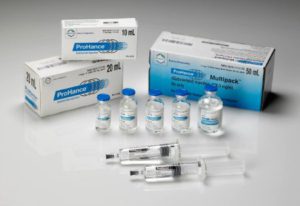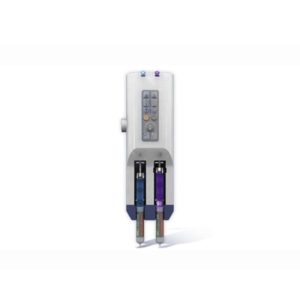
MRI-compatible syringes represent specialized medical devices engineered for magnetic resonance imaging environments. These consumables differ from standard syringes through ferromagnetic-free construction that prevents projectile hazards and maintains imaging quality. Powerful magnetic fields in MRI scanners create unique safety requirements demanding specialized materials and rigorous testing protocols. These specialized consumables now play a central role in medical imaging departments, offering contrast-enhanced studies.
Key Takeaways
- MRI-compatible syringes use titanium, aluminum, and medical-grade plastics to eliminate ferromagnetic risks
- MR Safe, MR Conditional, and MR Unsafe labels govern equipment use in magnetic resonance environments
- Prefilled syringe kits reduce preparation time from approximately 3 minutes to under 10 seconds
- Tubing lengths exceeding 2500mm degrade injection performance due to increased resistance
- The contrast media injectors market will grow from USD 2.68 billion in 2026 to USD 5.74 billion by 2034
Here’s what we break down: the safety standards, materials, certification labels, and procurement considerations that separate MRI-compatible syringes from standard consumables. Healthcare facilities must understand critical differences between standard and MRI-compatible syringes to ensure patient safety and diagnostic accuracy. Using incompatible materials in MRI suites poses severe risks, including equipment damage, patient injury, and compromised diagnostic results. Selecting appropriate MRI injector syringes and tubing requires knowledge of safety standards, material composition, and certification requirements.
What Are MRI-Compatible Syringes?
MRI-compatible syringes are medical devices manufactured entirely from non-magnetic materials for safe use within magnetic resonance environments. These specialized consumables undergo stringent testing to verify they produce minimal imaging artifacts while withstanding high-pressure contrast media delivery. The construction eliminates all ferromagnetic components that could become projectiles in magnetic fields measuring 1.5 Tesla or higher. Manufacturers increasingly validate their consumables for high-field MRI environments, including 3T scanners, to keep pace with expanding clinical adoption. These syringes deliver both iodinated contrast media for CT and gadolinium-based contrast agents for MRI, so material compatibility must hold across both fluid types where a facility uses shared consumables.
Standard syringes contain metal components that pose extreme hazards near MRI equipment. MRI-compatible alternatives use titanium alloys, aluminum frames, and specialized polymers, maintaining structural integrity under pressure. Healthcare facilities must verify compatibility with specific injector systems to prevent operational failures.
How Do MRI-Compatible Syringes Differ from Standard Syringes?
Standard syringes typically incorporate stainless steel components containing ferromagnetic iron unsuitable for MRI environments. MRI-compatible alternatives replace these with austenitic stainless steel grades 304 or 316, which exhibit minimal magnetic properties. Material composition changes affect manufacturing costs and testing requirements for regulatory compliance.
MRI syringes command premium pricing compared to CT syringes due to specialized materials and rigorous testing. Budget-tier MRI syringes start at approximately $200 per unit, while premium models reach $450, representing a 33% to 29% price increase over comparable CT consumables. Facilities sourcing contrast syringes should always confirm piston geometry and volume markings match their specific injector model before placing an order.
What Materials Are Used in MRI-Compatible Syringes?
Manufacturers construct MRI-compatible syringes primarily from medical-grade polycarbonate or specialized high-performance polymers, maintaining clarity and strength. Titanium alloys and aluminum provide structural components requiring metal durability without magnetic interference. These materials must withstand pressure ratings between 300 and 350 PSI while maintaining dimensional stability.
Barrel, plunger, and sealing components use non-reactive plastics, preventing contrast media degradation. Metal components limited to austenitic stainless steel grades ensure connection compatibility with standard Luer lock fittings.
Which Safety Standards Govern MRI-Compatible Syringes?
ASTM F2503 establishes the primary safety standard defining medical device classification for magnetic resonance environments. This standard requires manufacturers to test products under specified magnetic field strengths and gradient conditions. Devices receive designations as MR Safe, MR Conditional, or MR Unsafe based on testing results.
FDA guidance documents mandate 510(k) submissions for piston syringes with specific testing protocols for magnetic resonance compatibility. ISO standards, including ISO 7886-1 for hypodermic syringes and ISO 11040-4 for prefilled syringes, govern structural integrity. Compliance ensures devices perform reliably while protecting patients and staff from magnetic field hazards.
Why Is Non-Magnetic Construction Critical in MRI Environments?
Non-magnetic construction prevents ferromagnetic materials from becoming high-velocity projectiles when exposed to MRI magnetic fields. Powerful magnets in 1.5T and 3T scanners exert tremendous attractive forces on iron-containing materials. Even small ferromagnetic components can accelerate rapidly toward the magnet bore, causing severe injury or equipment damage. Anyone entering the room housing the MRI machine, including support staff and visitors, must follow the same ferromagnetic screening protocols as clinical personnel.
MRI magnetic fields operate continuously at full strength, unlike electromagnets that can be deactivated. This constant magnetic presence means any ferromagnetic object brought into Zones III and IV faces immediate attraction. Facilities must implement strict protocols ensuring all equipment entering these areas meets MR Conditional or MR Safe certification requirements established by ASTM F2503 standards. Proper magnetic shielding around the scanner room further limits stray field exposure to adjacent equipment, staff, and hallway traffic.
What Are the Risks of Using Ferromagnetic Materials in MRI Suites?
Introduction of ferromagnetic materials into MRI environments poses severe projectile hazards that can cause fatal injuries. Objects containing iron accelerate rapidly toward the magnetic bore with forces exceeding several hundred pounds. Historical incidents include oxygen tanks, IV poles, and cleaning equipment becoming deadly projectiles. Implanted metal such as surgical clips, aneurysm coils, or older pacemaker leads can pose similar risk and require pre-screening before a patient enters the scanner room.
Ferromagnetic materials distort MRI imaging results by creating signal voids and geometric distortions in diagnostic images. These artifacts obscure anatomical structures and pathological findings, potentially leading to missed diagnoses or unnecessary repeat scans. Imaging quality degradation extends several centimeters beyond the physical location of the ferromagnetic object.
How Do MRI-Compatible Syringes Minimize Imaging Artifacts?
MRI-compatible syringes minimize artifacts through material composition, producing minimal magnetic susceptibility differences compared to surrounding tissues. Non-magnetic materials avoid creating signal voids appearing as dark regions in MR images. Manufacturers select polymers and non-ferromagnetic metals, maintaining signal homogeneity across the imaging field of view.
The geometric design reduces interfaces where different materials meet, further decreasing artifact generation. Smooth transitions between components prevent abrupt changes in magnetic susceptibility, causing boundary artifacts. These engineering considerations ensure that contrast media injector consumables maintain diagnostic image quality throughout injection procedures.
What Certification Labels Ensure MRI Safety?
MR Safe designation identifies medical devices posing no known hazards in all MR environments, regardless of field strength. These devices contain no metallic components and generate no electromagnetic interference. MR Safe products require no special precautions beyond standard infection control.
MR Conditional devices have been demonstrated to pose no known hazards in specified MR environments with specified conditions of use. Manufacturers must document acceptable field strengths, spatial gradient values, and specific absorption rate limits. MR Unsafe designation applies to devices known to pose hazards in all MR environments and must never enter MRI Zones III or IV.
What Are the Main Components of MRI-Compatible Syringe Systems?
MRI-compatible syringe systems comprise multiple integrated components working together to deliver contrast media safely. Primary elements include the syringe barrel and plunger assembly, extension tubing sets, connector technologies, and pressure monitoring systems. Each component must meet identical non-magnetic construction requirements to maintain system integrity within magnetic fields. Facilities equipping injection suites should also confirm that Magnetic-Resistant MRI-compatible IV infusion pumps meet the same non-ferromagnetic construction standards as syringes and tubing. Most MRI syringe systems are single-use, disposable consumables, which supports infection control and removes any need for reprocessing between patients.
Complete syringe systems typically include prefilled contrast media, sterile packaging, and all necessary adapters for specific injector models. System compatibility extends beyond material composition to encompass dimensional specifications and pressure ratings. Healthcare facilities must verify that all safety protocols for MRI contrast injectors address proper component selection and assembly procedures.
How Do Tubing and Connectors Differ for MRI Compatibility?
MRI-compatible tubing eliminates all metallic reinforcement typically used in high-pressure applications, relying instead on advanced polymer engineering. Medical-grade polyurethane and silicone materials provide flexibility and pressure tolerance without magnetic interference. Tubing wall thickness increases to compensate for absent wire or metal braid reinforcement.
Luer lock connections provide ISO 594 compliant secure mechanical connections rated for high pressures without ferromagnetic components. Tubing lengths exceeding 2500mm can degrade injection performance due to increased resistance from fluid friction. Healthcare facilities should select the shortest tubing configuration practical for their scanner room layout and patient positioning requirements.
What Role Do Prefilled Syringe Kits Play in MRI Procedures?
Prefilled syringe kits streamline workflow by arriving ready for immediate use without manual filling or assembly. These complete systems include the syringe, contrast media, tubing, connectors, and check valves in sterile packaging. Eliminating preparation steps reduces contamination risk and ensures consistent contrast media concentration.
Prefilled kits reduce preparation time from approximately 3 minutes to under 10 seconds compared to manual filling. This efficiency gain translates to increased patient throughput and reduced technologist workload. Standardized configuration also minimizes dosing errors and simplifies inventory management.
How Does Pressure Rating Affect Syringe Performance?
Pressure ratings determine the maximum injection force a syringe can safely withstand without structural failure or leakage. Standard MRI syringes support 300 to 350 PSI for routine contrast-enhanced protocols. Specialized high-pressure models accommodate up to 1200 PSI for vascular imaging protocols demanding rapid bolus delivery.
Actual injected flow rates often differ from theoretical expectations due to system resistance. Viscosity of iodinated contrast medium increases nonlinearly with concentration, significantly affecting injection pressure at the catheter tip. Facilities must account for tubing length, catheter gauge, and contrast media temperature when programming injection protocols. Pressure monitoring also helps prevent contrast extravasation, where fluid leaks into surrounding tissue instead of the target vein.
How Does Compatibility Influence Syringe Selection for MRI?
Compatibility represents the primary factor determining syringe selection, as consumables must match specific injector manufacturer requirements. Different power injector systems employ proprietary piston interfaces, syringe geometries, and pressure sensing mechanisms, precluding universal interchangeability. Using incompatible syringes can cause mechanical failure, pressure miscalculation, or complete system inoperability during time-critical procedures. Because MRI systems vary widely in piston design and pressure sensing, facilities should confirm consumable compatibility before every new equipment purchase.
Healthcare facilities operating multiple injector models must maintain separate inventories for each system. Radiology departments benefit from standardizing on single CT and MRI syringe suppliers who maintain comprehensive compatibility databases and provide rapid verification support.
What Injector Models Require Specific MRI-Compatible Consumables?
Stellant CT scanner models from Bayer AG require proprietary syringe designs with specific piston head geometry and volume markings. EnVision CT scanner systems utilize different barrel diameters and plunger seal configurations. OptiVantage CT scanner models incorporate automated syringe recognition, verifying genuine consumables before allowing injection protocols.
Spectris Solaris MRI injector systems demand MR Conditional certified consumables with documented testing at 1.5T and 3T field strengths. EmpowerMR systems from Bracco Imaging integrate RFID tracking, monitoring syringe lot numbers and expiration dates automatically. These features prevent cross-contamination between platforms and ensure regulatory compliance.
How Do Buyer Preferences Prioritize Compatibility and Safety?
Healthcare facilities report that 95% of buyers prioritize compatibility verification above all other purchasing criteria. Incompatible products create immediate operational disruptions that halt diagnostic imaging workflows and delay patient care. Radiology directors maintain detailed equipment inventories and require suppliers to provide explicit compatibility confirmation before processing orders. Reviewing what doctors consider when selecting contrast agents shows how the same compatibility and safety criteria carry over from contrast agent selection to consumable procurement.
Safety and regulatory compliance concerns influence 92% of purchasing decisions as facilities face significant liability for using non-certified products. Material quality considerations affect 88% of buyers who evaluate pressure ratings and artifact generation. Supplier reliability matters to 85% of facilities requiring 24- to 48-hour delivery guarantees, while cost concerns influence 78% of procurement decisions.
What Are Common Pitfalls When Procuring MRI-Compatible Syringes?
Using incompatible or substandard components can lead to leaks that waste expensive contrast media and delay procedures. Poor injection control from incorrect syringe selection causes inconsistent contrast enhancement, compromising diagnostic accuracy. Connection issues between incompatible tubing and adapters create air introduction risks threatening patient safety.
Compromised diagnostic results from non-certified products generate additional costs through repeat examinations and extended radiologist interpretation time. Failure to verify compatibility can result in unusable orders or equipment damage requiring expensive repairs and extended downtime. Healthcare facilities must implement verification protocols ensuring all consumables match specific injector models before accepting delivery. Consistent verification protocols help diagnostic radiology teams avoid costly delays and maintain steady patient throughput.
What Advances Are Improving MRI Syringe Technology?
Technological innovation continues to transform MRI syringe systems through integration with hospital information systems and automated workflow management. Modern injector platforms connect directly to PACS and RIS networks, transmitting injection parameters and pressure curves alongside diagnostic images. This data integration enables radiologists to correlate contrast timing with image quality. Routine injector calibration verification, performed alongside these software updates, confirms that pressure sensors and flow rates remain within manufacturer specification.
Advanced pressure monitoring systems detect catheter infiltration and venous resistance in real-time, automatically adjusting flow rates to prevent extravasation. Automated contrast warming systems maintain optimal viscosity for consistent injection performance. These improvements enhance both patient safety and diagnostic reliability while reducing manual intervention.
How Does Real-Time Data Integration Enhance MRI Procedures?
Real-time data integration allows injector systems to access patient weight, renal function, and allergies directly from electronic health records. Automated protocol selection adjusts contrast volumes and flow rates based on these parameters without manual calculation. The system logs all injection events with timestamps and pressure data for quality assurance and regulatory compliance documentation.
Integration with scanner consoles enables synchronized contrast delivery matched precisely to imaging sequence timing for optimal enhancement. Facilities utilizing connected systems report improved consistency in contrast protocols and reduced variability between technologists. Comprehensive data capture supports retrospective analysis of injection technique effectiveness.
What Innovations Are Emerging in Syringeless and Adaptive Injection Systems?
Syringeless injector systems eliminate disposable plastic syringes by pumping contrast directly from bottles through sterile fluid paths. These systems reduce contrast media waste by preventing unused portions from requiring disposal after single patient use. Environmental sustainability benefits include reducing plastic waste and decreasing carbon footprint.
Syringeless injector systems have been adopted by 30% of high-volume centers seeking operational cost reductions. Initial capital investment exceeds traditional syringe-based systems, but facilities report return on investment within 18 to 24 months. The technology requires different sterilization protocols and staff training.
How Are Patient-Specific Protocols Impacting Syringe Design?
Patient-specific protocols customize injection parameters based on individual physiology rather than applying universal standard protocols. Advanced systems store thousands of protocol variations optimized for different body weights, cardiac outputs, and clinical indications. This personalization improves contrast agent selection between MRI and CT imaging by matching delivery timing to patient-specific hemodynamics.
Optimal contrast enhancement requires facilities to select appropriate catheter gauges and minimize tubing length for each patient. Syringes with integrated pressure sensors provide feedback enabling real-time protocol adjustments when peripheral access presents higher resistance. Evolution toward personalized protocols drives demand for more sophisticated consumables with embedded sensing capabilities.
How Do Market and Demographic Trends Affect MRI-Compatible Syringe Demand?
The global medical syringe market projected growth from USD 21.59 billion in 2026 to USD 31.94 billion by 2035 reflects increasing diagnostic imaging utilization worldwide. Medical tubing market valuations reaching USD 12.92 billion in 2025 demonstrate the critical role these consumables play in healthcare delivery. The medical tubing segment expects to reach USD 28.99 billion by 2035, growing at 8.42% CAGR.
Contrast media injectors market projections show growth from USD 2.68 billion in 2026 to USD 5.74 billion by 2034 driven by aging populations and chronic disease prevalence. This nearly 10% annual growth rate exceeds general healthcare market expansion. The specialized nature of CT versus MRI injector systems creates distinct market segments with unique consumable requirements.
What Demographic Factors Drive Growth in MRI Consumables?
By 2030, approximately 20% of all Americans will be 65 years or older, creating unprecedented demand for diagnostic imaging services. Americans aged 65 and above currently utilize about 30% of imaging resources annually despite representing a smaller population percentage. This disproportionate utilization reflects higher disease burden among geriatric patients.
Patients aged 60-90 accounted for 50% to 58% of all CT procedures in 2024, representing steady growth from 50.4% in 2014. The demographic shift continues accelerating as baby boomers enter peak healthcare utilization years through 2035. Patients aged 19-40 accounted for only 15-20% of procedures.
How Do Geographic and Facility Variations Influence Product Adoption?
Urban facilities report 95% offering CT capabilities and 85% offering MRI capabilities, often operating scanners 24 hours daily. These high-volume centers process hundreds of imaging studies weekly, creating substantial consumable demand and favoring prefilled kit adoption. Concentration of specialized imaging in urban markets drives regional purchasing patterns.
Rural facilities report only 45% CT availability and only 20% MRI availability, operating with limited hours and lower utilization. These facilities require different procurement strategies, often maintaining larger safety stocks to compensate for longer supplier lead times. The West region accounts for 30% of the United States market, followed by the Northeast at 28%, the Southeast at 22%, and the Midwest at 20%.
Which Manufacturers Lead the MRI-Compatible Syringe Market?
Four manufacturers account for most of the installed base for MRI and CT power injectors, per industry data:
| Manufacturer | Injector Platforms | Approx. Market Share |
| Bayer AG (Medrad) | Spectris Solaris, OptiVantage | 25% to 30% |
| Bracco Imaging | Empower CT, EmpowerMR | 20% to 25% |
| Guerbet | Contrast media and injector platforms | 15% to 20% |
| GE HealthCare | Integrated imaging systems, OEM partnerships | 10% to 15% |
Bayer/Medrad’s proprietary consumables create platform lock-in, Bracco emphasizes safety-focused system design, and Guerbet and GE HealthCare extend their consumables through broader contrast media and OEM imaging partnerships.
How Do Cost and Regulatory Compliance Affect MRI-Compatible Syringe Use?
Cost considerations influence procurement decisions across all facility types, despite safety and compatibility representing higher priorities. Healthcare administrators must balance budgetary constraints against quality requirements and regulatory compliance obligations. Total cost of ownership extends beyond unit pricing to include waste rates, preparation time, and potential complications from inferior products. Facilities can apply the same contrast media supplier evaluation criteria used for contrast agents when vetting syringe and tubing vendors.
Regulatory compliance requirements mandate that facilities document the safety certification status of all equipment entering MRI environments. Non-compliant products expose healthcare organizations to liability claims and regulatory sanctions following adverse events. The interplay between cost pressures and safety obligations requires sophisticated procurement strategies optimizing value rather than simply minimize expenditure.
What Is the Price Range for MRI-Compatible Syringes and Related Consumables?
Pricing varies by consumable type and quality tier:
| Consumable | Budget Tier | Premium Tier |
| Standard CT syringe | $150 | $350 |
| MRI-compatible syringe | $200 | $450 |
| Extension tubing set | $25 | $100 |
| Luer lock connector or adapter | $10 | $50 |
| Prefilled kit | $80 | $250 |
These pricing tiers reflect quality differences in materials, pressure ratings, and certification documentation.
How Do Regulatory Standards Like ASTM F2503 and FDA Guidelines Shape the Market?
ASTM F2503 establishes mandatory classification criteria that manufacturers must meet before marketing products for MRI environments. The standard requires testing at specific magnetic field strengths and spatial gradient conditions relevant to clinical scanner specifications. Manufacturers must document safety performance and provide clear labeling indicating approved conditions of use for MR Conditional products.
Healthcare facilities must ensure equipment entering MRI Zones III and IV is certified MR Conditional or MR Safe per ASTM F2503 requirements. FDA guidance documents mandate specific testing protocols for medical devices intended for magnetic resonance environments, including assessment of projectile risk and image artifact generation. These regulatory frameworks create market entry barriers favoring established manufacturers with testing infrastructure and regulatory expertise.
What Are the Implications of Cost on Procurement Decisions?
Typical 250-bed hospital annual expenditure on consumables ranges from $150,000 to $250,000, depending on procedure volumes. High-volume imaging centers may spend upwards of $500,000 annually on syringes, tubing, and related supplies. These substantial expenditures justify dedicated procurement resources and sophisticated vendor management strategies.
Purchasing on price alone can compromise patient safety and equipment integrity when inferior products cause complications or workflow disruptions. Healthcare facilities increasingly adopt total cost of ownership models that factor preparation time, waste rates, and complication costs alongside unit pricing. Long-term relationship value with reliable suppliers often outweighs marginal savings available through spot market purchasing or frequent vendor switching.
The Role of MRI-Compatible Syringes in Ensuring Safe and Effective Imaging
MRI-compatible syringes serve as essential safety devices protecting patients and staff while enabling diagnostic procedures that guide treatment decisions. The specialized engineering eliminating ferromagnetic materials prevents projectile accidents that have caused fatalities in MRI facilities worldwide. These consumables simultaneously maintain imaging quality by minimizing artifacts that could obscure pathology.
Healthcare facilities must implement comprehensive procurement and usage protocols ensuring only certified products enter magnetic resonance environments. The combination of proper material selection, regulatory compliance verification, and staff training creates a safety culture preventing adverse events. Organizations with 30+ years of experience understand that reliable supply chains and expert support prevent operational disruptions compromising patient care quality.
Get MR Safe Consumables From a Trusted Supplier
Sourcing the wrong consumable is not a risk worth taking in a high-field MRI environment. Spectrum Medical Imaging Co. supplies MR Safe and MR Conditional syringes, tubing, and injector consumables verified against your specific equipment, along with the imaging systems, contrast media, and shielding solutions that support safe, reliable diagnostic radiology. To confirm compatibility for your MRI machine or CT injector, contact Spectrum Medical Imaging Co. or call our team directly at 800-859-6162 for fast, 24- to 48-hour nationwide shipping and 30+ years of trusted supply-chain support.
Frequently Asked Questions
Q1. Are MRI-compatible syringes the same as MR Safe syringes?
A. Not always. MR Safe applies to devices with no metallic components and no known hazard in any MR environment, while most MRI-compatible syringes carry an MR Conditional label instead, meaning they are safe only under documented field strength and gradient conditions defined by ASTM F2503. Facilities should check the specific label printed on the packaging rather than assuming compatibility from the product name alone. Both designations rule out MR Unsafe devices, which must never enter Zones III or IV.
Q2. Can a standard CT syringe be used in an MRI suite?
A. No. Standard syringes typically contain ferromagnetic stainless steel components that can become high-velocity projectiles in an MRI magnetic field, which operates continuously at full strength. Using one in Zones III or IV risks equipment damage, patient injury, and imaging artifacts that compromise diagnostic accuracy. Only syringes tested and labeled under ASTM F2503 should enter the scanner room.
Q3. How much more do MRI-compatible syringes cost than standard syringes?
A. MRI-compatible syringes generally run from about $200 at the budget tier to roughly $450 for premium models, compared to $150 to $350 for standard CT syringes. The premium reflects non-ferromagnetic materials, tighter pressure-rating tolerances, and the additional testing required for MR Conditional certification. Facilities that factor in waste rates and preparation time often find the total cost of ownership narrows that gap.
Q4. How do I confirm an MRI-compatible syringe fits my injector?
A. Compatibility depends on the specific injector model, since manufacturers like Bayer Medrad, Bracco, and Guerbet use proprietary piston interfaces, barrel geometries, and pressure sensing designs that are not interchangeable. Start by confirming your injector’s make and model, then work with a supplier who maintains a compatibility database for that platform. Spectrum Medical Imaging Co. verifies compatibility against your specific equipment before any order ships.
Q5. What happens if an incompatible syringe is used with a power injector?
A. An incompatible syringe can cause mechanical failure, inaccurate pressure readings, or a complete system fault mid-procedure, which halts the imaging workflow and delays patient care. Leaks and air introduction from mismatched connectors can also waste contrast media and compromise the scan, sometimes requiring a repeat examination. Verifying compatibility before ordering is the most reliable way to avoid these disruptions.