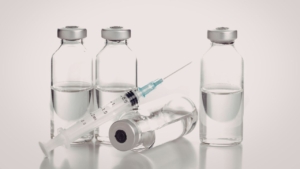
Emergency departments rely on rapid, accurate imaging to guide life-saving decisions. Contrast media selection in urgent settings requires balancing diagnostic yield against patient safety, workflow speed, and supply constraints. Understanding which agents deliver optimal outcomes for specific clinical scenarios helps radiologists and emergency physicians optimize care under pressure.
The global contrast media market reached USD 8.20 billion in 2026 and is projected to grow to USD 12.08 billion by 2031. This expansion reflects increasing demand from trauma centers, cardiovascular units, and oncology programs where emergency imaging contrast drives diagnostic pathways. Selection protocols must account for renal risk, allergic-like reactions, and institutional inventory management while maintaining acute care throughput.
Key Takeaways
- Iodinated contrast holds 55% market share and remains essential for emergency CT and angiography workflows
- Patient safety ranks as the top priority for 93% of radiology professionals when selecting contrast agents
- Microbubble ultrasound agents offer renal safety and real-time perfusion without radiation exposure
- Kidney function screening using eGFR, AKI status, and comorbidities guides safe contrast administration
- Supply availability concerns affect 87% of clinicians, with small hospitals facing greater procurement challenges
What Are the Main Types of Contrast Media Used in Emergency Imaging?
Emergency imaging protocols depend on three primary contrast categories: iodinated agents for CT and angiography, gadolinium-based compounds for MRI, and microbubble formulations for ultrasound. Each class serves distinct diagnostic niches with specific safety profiles.
Iodinated agents account for approximately 55% of the 2026 contrast media market. Medicare utilization records confirm that iodinated formulations represented 95.6% of measured contrast volume between 2011 and 2024. This dominance reflects CT imaging’s central role in emergency workflows, particularly for trauma, stroke, pulmonary embolism, and acute abdominal pathology.
How Do Iodinated Contrast Media Function and When Are They Preferred?
Iodinated contrast media are water-soluble molecules containing iodine atoms that absorb X-rays and enhance vascular and tissue visualization. Modern formulations use nonionic low-osmolar or iso-osmolar structures to reduce adverse events. These agents dominate emergency CT protocols because they provide rapid vascular opacification, broad anatomic coverage, and compatibility with high-throughput workflows.
Iodinated agents accounted for 95.6% of measured Medicare contrast volume over the 2011-2024 study period. The segment reached USD 4.72 billion in 2025 with a mean year-over-year growth of 5.2% from 2014 to 2019. Emergency departments prefer iodinated agents for CT angiography, trauma surveys, and suspected vascular occlusion because they deliver diagnostic information within minutes.
What Role Do Gadolinium-Based Agents Play in Emergency MRI?
Gadolinium-based contrast agents are chelated gadolinium complexes used to enhance MRI tissue characterization and vascular imaging. Macrocyclic formulations such as Gadavist (gadobutrol) and Dotarem (gadoterate meglumine) carry Group II ACR classification with minimal NSF risk. These agents enable emergency MRI protocols for stroke evaluation, spinal cord injury, and soft-tissue infections when CT cannot provide sufficient diagnostic detail.
Gadolinium-based agents reached USD 1.66 billion in 2025 with a mean year-over-year growth of 3.5% from 2014 to 2019. Clinicians favor macrocyclic structures in emergency settings because they reduce gadolinium dissociation and tissue deposition risks. However, 55% of surveyed professionals expressed concerns about urgent contrast media choice availability, particularly in smaller institutions with limited formulary depth.
When Is Microbubble Ultrasound Contrast Most Advantageous?
Microbubble agents consist of gas-filled spheres stabilized by phospholipid, albumin, or polymer shells that enhance ultrasound signal intensity. These formulations enable real-time perfusion assessment without nephrotoxicity or ionizing radiation. Emergency applications include liver lesion characterization, renal perfusion evaluation, and bedside vascular imaging when CT or MRI access is delayed.
Microbubble agents reached USD 624.9 million in 2025 and show an estimated 10.7% CAGR through 2033. Radiologist awareness of CEUS benefits stands at 65.4%, yet 54.8% report their institutions do not perform contrast-enhanced ultrasound. This gap reflects limited equipment availability, protocol standardization challenges, and training requirements rather than clinical skepticism about rapid deployment contrast agents effectiveness.
What Factors Drive the Selection of Contrast Media in Emergency Settings?
Emergency imaging contrast selection depends on patient safety, diagnostic accuracy, and operational workflow constraints. Clinicians prioritize agents that minimize renal injury, allergic-like reactions, and procedural delays while maximizing diagnostic yield. Supply availability and cost also influence decisions, particularly during shortages when formulary substitutions become necessary.
Survey data reveal that 93% of radiology professionals rank patient safety as critical in contrast decisions. Image quality follows at 92%, and supply availability reaches 87% priority. These rankings demonstrate that clinical effectiveness and risk management override cost considerations in emergency contexts where diagnostic certainty directly affects patient outcomes.
How Do Patient Safety and Renal Risk Influence Contrast Choice?
Patient safety protocols focus on preventing contrast-induced nephropathy, allergic-like reactions, and gadolinium-related complications in vulnerable populations. Renal-risk management requires eGFR screening, AKI assessment, and hydration status evaluation.
Higher caution is warranted for patients with eGFR below 30 mL/min/1.73 m². Risk appears non-existent above eGFR 45 and low to non-existent in the 30-45 range. Emergency protocols must balance these risks against diagnostic urgency, often favoring radiology emergency protocols that accept minimal exposure when imaging findings determine immediate treatment decisions.
What Are the Diagnostic and Workflow Priorities in Emergency Imaging?
Diagnostic priorities center on sensitivity for life-threatening conditions and speed of information delivery to clinical teams. Image quality ranked as a priority for 92% of professionals, while patients assigned 44.3% importance to cancer detection sensitivity. Emergency and inpatient populations accounted for roughly 80% of daily contrast volume in surveyed institutions.
Ultra-fast MRI protocols of 20 minutes or less enable emergency departments to substitute MRI for CT when renal risk prohibits iodinated contrast. Workflow efficiency gains from standardized quick contrast selection protocols reduce decision time and minimize scan delays during peak demand.
How Do Supply Availability and Cost Affect Decision-Making?
Supply availability concerns affect 87% of clinicians, with small hospitals reporting 75% availability worries versus 35% at larger institutions. Global contrast media market projections show growth from USD 8.20 billion in 2026 to USD 12.08 billion by 2031. Institutional purchasing strategies must address both routine demand and surge capacity during public health emergencies or regional supply disruptions.
Out-of-pocket cost ranked seventh among patient priorities at 7.5% importance overall, rising to 14.9% for income brackets below USD 25,000. Formulary decisions balance acquisition costs against clinical performance, with emergency departments typically prioritizing diagnostic reliability over marginal cost differences. Multi-valve tubing systems reduce waste by approximately 75% without compromising image quality.
How Are Contrast Agents Utilized Differently by Imaging Modality?
Imaging modality determines contrast agent selection through differences in physical enhancement mechanisms, safety profiles, and diagnostic information domains. CT relies on X-ray attenuation from iodinated agents, MRI uses paramagnetic gadolinium relaxivity, and ultrasound employs acoustic impedance from microbubbles.
Emergency departments adapt contrast protocols by modality to match clinical urgency with patient risk tolerance. CT abdomen/pelvis studies contributed approximately 4.4 billion mL of total measured contrast volume. Lean-body-weight dosing preferences reached 70.0% for CT parenchymal imaging but fragmented across multiple approaches for CT angiography, reflecting ongoing debate about optimal contrast media for CT enhancement strategies.
When Is Iodinated Contrast Essential for CT and Angiography?
Iodinated contrast remains essential for emergency CT when vascular patency, tissue perfusion, or organ enhancement determines treatment decisions. CT angiography protocols depend on precise iodine delivery rates to achieve diagnostic vessel opacification. Emergency applications include pulmonary embolism detection, aortic dissection characterization, and trauma vascular injury assessment, where non-contrast imaging provides insufficient detail.
Dosing preferences for CT angiography show 35.2% favor lean body weight, 26.9% prefer iodine delivery rate, and 25.6% use fixed amounts. Emergency departments standardize protocols to reduce decision complexity and maintain consistent image quality across operator shifts.
What Are the MRI-Specific Considerations for Gadolinium Use?
Gadolinium doses for emergency interventions typically remain below 0.3-0.4 mmol/kg to minimize tissue retention and NSF risk. Macrocyclic formulations reduce gadolinium dissociation compared to linear agents and carry lower deposition burdens. Emergency MRI protocols assess biodistribution, dose efficiency, and stability when selecting contrast media for MRI formulations for stroke, spinal cord, and soft-tissue applications.
Structure-related retention differences favor macrocyclic agents in emergency populations where repeat imaging likelihood remains high. Emergency protocols balance these concerns against diagnostic urgency, often accepting macrocyclic agent costs to minimize long-term complication risks.
How Does Contrast-Enhanced Ultrasound Complement or Substitute Other Modalities?
Contrast-enhanced ultrasound operates at low mechanical index settings below 0.3 to preserve microbubble integrity during real-time perfusion imaging. Bedside speed, renal safety, and radiation avoidance make CEUS valuable for emergency liver lesion characterization and vascular assessment. Lumason (sulfur hexafluoride lipid-type A microspheres) carries FDA approval for liver applications in adult and pediatric patients.
Operator dependence and weaker whole-body coverage limit CEUS adoption compared to CT and MRI in emergency settings. Emergency departments with established CEUS programs report successful substitution during iodinated contrast shortages, demonstrating modality flexibility when clinical workflows support ultrasound-based triage pathways.
What Patient and Clinical Characteristics Influence Contrast Media Decisions?
Patient-specific factors, including kidney function, demographics, and comorbidities, determine contrast agent selection and dosing in emergency imaging. Clinical characteristics such as acuity level, hemodynamic stability, and suspected diagnosis guide modality choice. Emergency protocols integrate these variables into decision algorithms that balance diagnostic needs against individual risk profiles.
Screening protocols assess eGFR, AKI status, comorbid diabetes/CKD, hydration, age, and nephrotoxic co-medications before contrast administration. Low or non-existent risk appears in the eGFR 30-45 range for standard IV iodinated contrast.
How Does Kidney Function Guide Contrast Agent Selection?
Kidney function screening focuses on eGFR measurement, AKI detection, and risk-factor identification to prevent contrast-induced nephropathy. Risks increase with AKI, intra-arterial administration, advanced age, proteinuria, diabetes plus CKD, heart failure, dehydration, and nephrotoxic co-medications. Emergency protocols favor lower-osmolar iodinated agents and macrocyclic gadolinium formulations in patients with eGFR below 45.
Higher caution becomes warranted for eGFR below 30, where alternative imaging pathways or prophylactic measures may be indicated. Risk appears likely to be non-existent above eGFR 45, allowing standard protocols without additional precautions. Emergency departments balance these guidelines against clinical urgency, sometimes accepting calculated risks when diagnostic information determines immediate life-saving interventions.
What Are the Implications of Patient Demographics and Comorbidities?
Annual per-capita imaging expenditure rises from USD 81.0 PPP in ages 0-11 to USD 208.6 PPP in adults aged 60 and older. Rural areas show higher per-capita expenditure at USD 229.7 PPP versus USD 207.6 PPP in urban settings for older adults.
Interventional radiology holds 40.0% market share in 2026, while cardiovascular indications represent 48.0% revenue share. Emergency departments serving older populations encounter higher rates of renal impairment, cardiovascular disease, and polypharmacy that complicate contrast decisions.
How Do Clinical Specialties and Emergency Contexts Shape Contrast Use?
Emergency specialty contexts drive contrast selection through specific diagnostic priorities and workflow constraints. Trauma protocols prioritize rapid whole-body CT with iodinated contrast to detect hemorrhage and vascular injury. Cardiovascular emergencies favor CT angiography or emergency MRI, depending on renal status and suspected pathology.
Emergency and inpatient populations account for approximately 80% of daily contrast volume in high-acuity facilities. Stroke protocols utilize both non-contrast CT and CT angiography sequences, with MRI reserved for complex cases or when CT findings remain equivocal.
How Do Safety and Efficacy Preferences Differ Between Patients and Clinicians?
Patient and clinician priorities diverge in emphasis but align on the primacy of diagnostic effectiveness and safety. Patients prioritize cancer detection sensitivity at 44.3% importance, ranking it above all risk concerns. Clinicians emphasize patient safety at 93%, image quality at 92%, and supply availability at 87%, reflecting operational responsibility for both individual outcomes and system performance.
Socioeconomic status influences patient priorities, with low-income groups assigning greater importance to cost and gadolinium retention.
What Diagnostic Benefits Are Most Valued by Patients?
Cancer detection sensitivity ranked first among patient priorities at 44.3% importance in screening MRI populations. Mild allergic-like reaction risk received 19.5% importance, and severe allergic-like reaction risk 17.0%. Gadolinium retention concerns accounted for 11.6% of patient priorities, reflecting awareness of tissue deposition issues.
Low-income patients assigned 33.1% importance to detection sensitivity compared to 48.8% for high-income groups. Emergency departments must address these variations through patient education that emphasizes both safety measures and the diagnostic value justifying contrast exposure.
How Do Clinicians Rank Safety, Image Quality, and Availability?
Clinicians ranked patient safety as critical for 93% of professionals, establishing it as the dominant decision factor. Image quality reached 92% priority, reflecting the need for diagnostic certainty in emergency contexts. Supply availability concerns affected 87% of respondents, rising to 75% in small hospitals versus 35% in larger institutions.
Emergency radiologists balance these priorities against time constraints, often using decision algorithms that predefine agent selection based on clinical presentation. Institutional formularies standardize choices to reduce cognitive load during high-volume periods while preserving flexibility for complex cases.
How Does Socioeconomic Status Influence Patient Priorities?
Patients with income below USD 25,000 assigned 14.9% importance to out-of-pocket cost, versus 5.7% for those above USD 150,000. Low-income groups also weighted gadolinium retention at 15.7% compared to 10.1% for high-income populations. Detection sensitivity importance decreased from 48.8% in high-income brackets to 33.1% in low-income groups.
These patterns indicate that financial stress shifts patient focus toward immediate costs and safety risks over long-term diagnostic benefits. Understanding socioeconomic influences helps clinicians tailor communication strategies that build trust while maintaining clinical standards.
What Are the Practical Guidelines and Protocols for Contrast Media Use?
ACR recommendations establish foundational principles for contrast administration across all modalities and clinical contexts. Protocols begin with assessing whether contrast will answer the clinical question and change management. Emergency departments adapt these principles into rapid decision pathways that maintain safety standards under time pressure.
Determining necessity, identifying information domains, using lowest effective volumes, providing hydration, and avoiding routine NSAIDs form the core protocol structure. Standardized workflows reduce variation and support consistent outcomes across operator experience levels.
What Are the ACR Recommendations for Contrast Administration?
ACR guidelines direct clinicians to determine whether contrast is necessary to answer the clinical question before proceeding. Identifying the target information domain helps match agent selection to diagnostic goals. Using the lowest effective contrast volume reduces risk without compromising image quality.
Providing hydration when appropriate supports renal protection in at-risk populations. Avoiding routine NSAIDs prevents additive nephrotoxic effects in patients receiving iodinated contrast. Emergency departments implement these recommendations through screening checklists and order-set defaults that prompt appropriate precautions.
How Should Contrast Selection Be Adapted in Cases of Renal Impairment?
Renal impairment protocols screen for eGFR, AKI status, comorbid diabetes/CKD, hydration, age, and nephrotoxic co-medications before contrast administration. Caution with metformin/biguanides is recommended except in true emergencies. Higher caution becomes warranted for eGFR below 30, while risk appears likely non-existent above 45.
Low or non-existent risk characterizes the eGFR 30-45 range for standard IV iodinated protocols. Emergency departments develop tiered approaches that modify agent selection, dosing, and post-procedure monitoring based on eGFR thresholds. Alternative modalities, including non-contrast CT, MRI, and CEUS, provide diagnostic pathways when contrast risks outweigh benefits.
When Should Oral and Gastrointestinal Contrast Be Used or Avoided?
Positive oral contrast should never be used for acute GI bleeding or suspected intra-abdominal hemorrhage where it obscures blood products. CT angiography and acute blunt abdominal trauma protocols avoid oral and rectal contrast because it degrades vascular visualization. Acute abdominal pain and bowel ischemia evaluations generally exclude oral contrast to prevent diagnostic delays.
Barium remains limited to GI/enteric applications and proves unsuitable in perforation-sensitive emergency scenarios where water-soluble agents are preferred. Emergency departments use oral contrast selectively for post-operative leak evaluation, abscess detection, and fistula characterization.
How Can Institutions Implement Effective Contrast Media Strategies Under Constraints?
Shortage management demonstrates practical strategies for optimizing contrast use through workflow adjustments, alternative modalities, and waste reduction. One hospital achieved a roughly 80% reduction in contrast use by protecting inventory for the highest-value examinations. Multi-valve tubing systems enabled three patients to share one 200 mL bottle, reducing waste by approximately 75%.
Alternative modality adoption, including MRI/MRA, ultrasound, V/Q scanning, and tagged RBC studies, maintained diagnostic capacity during supply restrictions. Emergency departments benefit from developing surge protocols before shortages occur.
What Workflow Adjustments Optimize Contrast Use During Shortages?
Workflow optimization during shortages prioritizes high-value examinations and minimizes waste through technical innovations and protocol refinements. Protecting inventory for emergency and high-acuity cases ensures diagnostic capability for life-threatening conditions. Multi-valve tubing reduces waste by eliminating single-use bottle protocols for routine studies.
Institutions can achieve substantial volume reductions without compromising outcomes by scrutinizing indication appropriateness and adopting lean dosing strategies. Emergency departments establish triage systems that direct stable patients toward non-contrast or alternative-modality pathways.
How Can Alternative Modalities Reduce Contrast Burden in Emergency Imaging?
Alternative modalities provide diagnostic pathways when contrast risks, costs, or availability constrain standard approaches. CEUS proves unsuitable when whole-body staging is needed, but excels for focal organ assessment. Poor acoustic windows and obesity limit CEUS effectiveness in some emergency populations.
Barium remains unsuitable for perforation-sensitive contexts where water-soluble agents reduce complication risks. Emergency departments maintain multi-modality capabilities to substitute approaches based on patient-specific factors.
What Stewardship Practices Improve Contrast Efficiency and Patient Safety?
Stewardship practices integrate clinical appropriateness, technical efficiency, and safety monitoring into systematic improvement programs. Evidence-based indication guidelines reduce unnecessary examinations and preserve resources for high-value applications. Dose optimization through body-weight-based protocols and reduced injection rates maintains image quality while lowering exposure.
Safety monitoring systems track adverse events, renal outcomes, and protocol deviations to identify improvement opportunities. Emergency departments benefit from multidisciplinary stewardship committees that review utilization patterns and develop consensus protocols.
Contrast Media Selection Framework for Emergency Imaging
Emergency imaging contrast selection requires systematic integration of clinical indication, patient risk factors, modality-specific performance characteristics, and institutional capabilities into rapid decision pathways. Effective selection matches formulation properties to diagnostic questions while managing safety risks and operational constraints.
Iodinated agents remain dominant in emergency CT and angiography because they deliver rapid vascular opacification across broad anatomic coverage. Gadolinium-based MRI serves specialized soft-tissue and vascular applications when CT proves insufficient or contraindicated. Microbubble ultrasound provides renal-safe perfusion assessment for selected organ systems when equipment and expertise support bedside imaging.
Emergency departments implementing evidence-based protocols achieve better outcomes through standardized workflows that reduce decision complexity without eliminating clinical judgment. Multi-modality capabilities, stewardship programs, and shortage preparedness build institutional resilience while controlling costs.
Spectrum Medical Imaging Co. supports emergency imaging programs through reliable supply chains, equipment partnerships, and technical expertise that maintain diagnostic capability under demanding conditions. Their 42-year track record and prime dealer relationships with major manufacturers provide stability during market volatility.
Healthcare facilities seeking to optimize emergency imaging contrast protocols should evaluate current utilization patterns, identify workflow bottlenecks, and develop evidence-based selection algorithms that match institutional capabilities to patient populations.
Get the Right Contrast Media Delivered When It Matters Most
In emergency imaging, supply delays are never an option. Spectrum Medical Imaging Co. keeps your department stocked with the full spectrum of contrast agents your protocols demand — iodinated, gadolinium-based, and microbubble formulations — from trusted manufacturers including Guerbet, Bayer, Bracco, GE HealthCare, and Fresenius-Kabi.
With 30+ years of experience serving hospitals, trauma centers, and emergency departments across the West Coast, we understand that contrast availability directly impacts patient outcomes. Our 24–48 hour shipping ensures your formulary stays uninterrupted, and our team is available 24/7 to support urgent procurement needs.
Contact our imaging specialists to develop customized contrast procurement and stewardship programs that improve emergency department efficiency while maintaining patient safety and diagnostic quality.