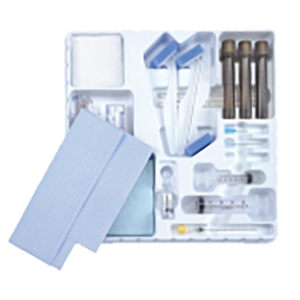
Contrast media pricing varies dramatically across categories due to manufacturing complexity, clinical performance requirements, and market dynamics contrast costs. Routine iodinated CT agents may cost approximately $11 per scan, while premium liver MRI contrast reaches $147 per dose. These expensive contrast media reasons stem from fundamental differences in chemistry, production scale, regulatory pathways, and clinical value propositions.
The cost drivers contrast agents exhibit include raw material sourcing, chelation stability requirements, sterile fill-finish operations, and market concentration. Hospitals managing contrast budgets must evaluate acquisition price plus effective per-exam costs after accounting for waste, packaging format, and workflow efficiency. Understanding these pricing disparities and contrasts allows procurement teams to optimize spending while maintaining diagnostic quality and operational resilience during supply disruptions.
Key Takeaways
- Gadolinium-based MRI agents cost approximately 7-97 times more per scan than routine iodinated CT contrast
- Multidose packaging can reduce effective CT contrast costs by $18-$21 per examination through waste reduction
- The 2022 iodinated contrast shortage exposed single-source supplier risks and accelerated strategic diversification initiatives
- Microbubble ultrasound agents represent the fastest-growing contrast segment at 10.7% annual growth through 2033
- Patient preferences prioritize diagnostic sensitivity (44.3% decision weight) over out-of-pocket cost (7.5% decision weight)
What Are Contrast Agents and Their Types?
Radiographic contrast agents are specialized pharmaceutical products designed to enhance tissue visualization during diagnostic imaging. These imaging enhancers work by altering signal properties in CT, MRI, ultrasound, or X-ray modalities. The four primary categories—iodinated, gadolinium-based, microbubble, and barium agents—each serve distinct clinical applications with unique chemical structures.
A complete guide to contrast agents reveals how iodinated products dominate CT workflows while gadolinium compounds serve MRI applications. Market data shows iodinated agents represent 64.6% of global contrast spending, while gadolinium-based products account for 22.7% of the $7.31 billion 2025 market.
What Differentiates Iodinated, Gadolinium-Based, Microbubble, and Barium Agents?
Iodinated contrast media contain iodine atoms that absorb X-rays, creating density differences visible on CT scans. Low-osmolar nonionic formulations like iohexol and iopamidol dominate current practice. Modern low-osmolar products reduce adverse reaction rates while maintaining diagnostic quality.
Gadolinium-based agents use chelated rare-earth metal ions to shorten T1 relaxation times in MRI sequences. Macrocyclic chelation structures offer greater stability than linear formulations, addressing tissue retention concerns. Microbubble agents consist of gas-filled lipid or protein microspheres for ultrasound reflectivity in cardiac and liver imaging, while barium sulfate suspensions remain standard for gastrointestinal fluoroscopy.
How Do Clinical Uses Vary Among Contrast Agent Types?
Brand utilization patterns reveal that Omnipaque captures 33.56% of technologists’ use among iodinated CT contrast products. Isovue accounts for 28.53%, and Optiray represents 19.85% of brand preference. Combined, the top three low-osmolar brands constitute 81.94% of surveyed iodinated contrast usage.
These market shares reflect clinical workflow standardization around nonionic low-osmolar chemistry for routine CT examinations. Iso-osmolar iodixanol products occupy a smaller premium niche for renal-risk patients and specific cardiovascular procedures. Gadolinium agents serve primarily for MRI applications, with usage concentrated in neurologic, oncologic, musculoskeletal, and hepatobiliary imaging.
What Packaging Formats Are Common for Contrast Agents?
Glass bottles remain the dominant packaging format, present in 69.6% of surveyed contrast administration work areas. Prefilled syringes account for 18.1% of installations. Polymer bottles represent 10.9% of packaging distribution, offering reduced breakage risk.
Cost-effectiveness drives packaging choice in 35.0% of glass-bottle installations and 37.3% of polymer-bottle selections. Convenience factors motivate 27.2% of prefilled syringe adoption, while work safety considerations influence only 0.7% of glass decisions but 19.9% of polymer choices and 8.8% of power-injection syringe installations.
How Do Market Factors Influence Contrast Agent Pricing?
Market dynamics directly shape contrast agent pricing through supply concentration, demand patterns, and regional purchasing power variations. The global contrast media market reached $7.31 billion in 2025 and is projected to $13.86 billion by 2033. North America represents 38.9% of global spending at $2.84 billion, while Asia Pacific accounts for 27.4% at $2.00 billion.
These regional concentrations create pricing variations based on local reimbursement structures, regulatory requirements, and competitive intensity. Contrast media pricing trends reflect both long-term growth drivers like aging populations and short-term disruptions, including manufacturing interruptions. Contrast agent pricing factors increasingly incorporate supply-chain resilience considerations following the 2022 shortage episode.
What Is the Global and Regional Market Distribution for Contrast Media?
North America leads global contrast spending with a projected 8.0% compound annual growth rate through 2033. Asia Pacific demonstrates the fastest regional expansion at 8.9% annually, driven by infrastructure investment and rising diagnostic volumes. Europe maintains 22.2% market share with steady 8.5% growth, while Latin America and the Middle East & Africa combine for 11.5% of global value.
Iodinated agents dominate all regions, capturing between 69% and 81% of local market value. Asia Pacific shows the highest iodinated concentration at 81% of regional spending. North America exhibits greater gadolinium penetration at approximately 25% of regional contrast budgets.
How Do Demand Patterns and Demographics Impact Contrast Spending?
Outpatient hospital settings generate 10,728 contrast-enhanced CT examinations per 100,000 Medicare beneficiaries annually. Emergency departments perform 8,739 exams per 100,000 beneficiaries, making these settings the highest-volume demand centers. Inpatient hospitals conduct 5,929 exams, while office settings account for 3,815 exams per 100,000 population.
Age stratification reveals imaging expenditure rising from $115 per capita in the 12-26 age group to $230 per capita for patients over 60. Peak spending reaches $467 per capita around ages 78-86, demonstrating how population aging amplifies contrast demand. Rural populations show 10-11% higher per-capita imaging expenditure than urban areas.
What Recent Trends Have Affected Contrast Agent Availability and Cost?
Microbubble ultrasound contrast demonstrates the fastest category growth at 10.7% compound annual growth rate through 2033. Gadolinium agents expand at 9.1% annually, while iodinated products grow 7.8% despite their larger base. These differential growth rates reflect clinical adoption patterns for contrast-enhanced ultrasound and advanced MRI applications.
The 2022 iodinated shortage accelerated strategic shifts toward supplier diversification and inventory buffering. Proven solutions to overcome the iodinated contrast media crisis emphasize multi-source procurement and cross-modality substitution protocols. Production concentration among the three major suppliers creates ongoing vulnerability, prompting hospitals to build resilience-adjusted procurement frameworks.
Why Do Diagnostic Priorities Affect Contrast Agent Selection?
Clinical objectives fundamentally determine which contrast products hospitals purchase and deploy across imaging protocols. High-acuity examinations justify premium agent selection when diagnostic sensitivity directly influences treatment decisions. Routine screening studies allow greater cost optimization through standardized formulations.
Diagnostic performance requirements create natural segmentation between budget, mid-range, and premium contrast categories. Balancing safety and clarity in contrast selection requires matching product characteristics to patient risk profiles and examination priorities. Procurement strategies that fail to account for clinical differentiation undermine both quality outcomes and cost-effectiveness.
How Do Patient Preferences Compare to Procurement Priorities?
Cancer detection sensitivity carries 44.3% of decision weight in patient stated-preference studies for gadolinium MRI contrast. Mild allergic reaction risk accounts for 19.5%, while severe reaction concerns contribute 17.0% of patient priorities. Out-of-pocket cost represents only 7.5% of decision weight, indicating patients prioritize efficacy and safety over price.
Hospital procurement decisions follow a different logic, emphasizing cost-effectiveness in 35-37% of packaging choices across formats. Convenience factors influence 27% of syringe adoption, while work safety considerations affect 20% of polymer container selections. This divergence means procurement teams must balance patient-centered diagnostic priorities with operational efficiency requirements.
What Role Does Safety Play in Contrast Agent Choice?
Safety considerations drive product selection for specific patient populations requiring risk mitigation. Iso-osmolar iodixanol reduces renal toxicity risk in patients with compromised kidney function. Macrocyclic gadolinium chelates demonstrate lower tissue retention than linear formulations, addressing long-term safety concerns, particularly in patients requiring repeated MRI examinations.
Allergy history and previous contrast reactions mandate premedication protocols or alternative imaging approaches when clinically feasible. The role of iodine-based and gadolinium-based agents includes specific safety profiles that inform product selection for high-risk cohorts. Departments serving populations with elevated renal disease prevalence may justify higher spending on premium safety-optimized formulations.
How Does Clinical Acuity Influence Cost Tolerance?
High-acuity examinations in emergency and trauma settings justify premium contrast selection to maximize diagnostic confidence. Cancer staging, acute stroke evaluation, and suspected pulmonary embolism cases demand optimal image quality regardless of cost differentials. These scenarios represent appropriate use cases for specialized agents offering performance advantages.
Lower-acuity outpatient screening and surveillance imaging allow greater standardization on cost-effective products without compromising outcomes. Shortage management guidance recommends prioritizing high-acuity examinations when supply constraints emerge. This acuity-based allocation framework ensures diagnostic quality where it matters most while enabling cost optimization in routine workflows.
How Do Packaging and Workflow Choices Affect Effective Contrast Costs?
Packaging format directly determines effective per-examination costs through waste generation, dose matching efficiency, and workflow productivity impacts. Multidose bottles reduce contrast waste when departments can safely use multiple doses from single containers within validated time windows. Single-dose packaging eliminates cross-contamination risk but generates higher waste when standard package sizes exceed typical examination requirements.
Strategies to reduce contrast media costs emphasize optimizing package-to-dose alignment while maintaining sterile handling protocols. Injector system compatibility, technologist workflow preferences, and examination volume patterns all influence which packaging formats deliver the lowest total cost of ownership.
Why Does Multidose Packaging Reduce Waste and Lower Costs?
Multidose packaging saves $18.29 to $20.70 per enhanced CT examination compared to single-dose alternatives in controlled studies. Large-format 500 mL bottles deliver $1.58 per patient savings versus 100 mL packaging when dose requirements allow efficient utilization. These savings accumulate rapidly in high-volume departments.
Waste reduction occurs when multiple patients receive doses from single large containers within validated stability windows. Pharmacy-supported repackaging under sterile compounding conditions extends usable inventory life. However, multidose workflows require a strict aseptic technique and documentation to prevent contamination risks.
What Are the Operational Advantages of Different Packaging Types?
Prefilled syringes offer workflow advantages in high-throughput settings by eliminating manual drawing steps and reducing setup time. Power injector compatibility allows rapid patient turnover critical in emergency and outpatient imaging centers. These operational benefits may justify 15-20% acquisition cost premiums when technologist efficiency and patient satisfaction improvements offset higher unit prices.
Glass and polymer bottles support flexible dosing but require manual preparation that consumes technologist time. Polymer containers reduce breakage hazards, influencing 19.9% of polymer adoption decisions. Cost-conscious departments favor traditional bottle formats while high-volume sites increasingly adopt convenience packaging that optimizes labor productivity.
How Does Dose Matching Influence Procurement Decisions?
Typical CT contrast protocols require 75 mL per examination, creating waste when standard packages contain 100 mL or 150 mL volumes. MRI examinations use 10-15 mL doses, making 10 mL and 15 mL package sizes optimal for minimizing discard. Microbubble agents require only 1.3 mL per study, representing an extreme concentration where package efficiency becomes critical.
Procurement teams should align package size inventory with actual examination dose requirements to minimize unused product disposal. Departments performing diverse examination mixes need multiple package sizes to accommodate varying protocols efficiently.
How Does Supplier Diversification Impact Contrast Agent Expense and Availability?
Supplier concentration creates catastrophic interruption risk when production problems affect dominant manufacturers serving large market shares. Single-source dependencies leave hospitals vulnerable to shortages that disrupt patient care and force expensive emergency purchasing. The 2022 iodinated crisis demonstrated how concentrated supply chains magnify localized production problems into nationwide availability constraints.
Strategic diversification spreads risk across multiple suppliers even when secondary sources carry modestly higher unit costs. This resilience-adjusted procurement approach treats supply security as a value component alongside acquisition price and product performance.
Why Is Supplier Risk Management Important in Budgeting?
Single-source arrangements create unacceptable vulnerability when manufacturing interruptions eliminate product availability for extended periods. The Shanghai COVID-19 lockdown demonstrated how geographic concentration amplifies supply risk when single facilities produce substantial portions of global iodinated contrast inventory. Just-in-time inventory models provided minimal buffer capacity when production ceased unexpectedly in April 2022.
Catastrophic shortages force departments to ration limited supplies, delay elective procedures, and substitute less-preferred agents or alternative modalities. These disruptions impose substantial operational costs through schedule disruption, staff overtime, and emergency purchasing at premium prices. Proactive diversification reduces concentration risk while building organizational resilience.
How Did the 2022 Iodinated Contrast Shortage Influence Procurement Strategies?
The 2022 shortage began when COVID lockdowns closed GE Healthcare’s Shanghai facility, producing iohexol and related products. Supply constraints persisted through mid-2022 despite production resuming in June, as depleted inventories recovered slowly. Hospital systems implemented conservation protocols prioritizing high-acuity examinations while shifting selected studies to MRI or performing scans without contrast.
Long-term strategic responses emphasized supplier diversification, increased safety stock levels, and formal shortage governance protocols. Departments expanded product formularies to include multiple manufacturers providing comparable clinical performance. These changes increased procurement complexity but reduced vulnerability to single-supplier disruptions.
What Are the Cost Implications of Alternative Modality Substitution?
Shifting CT examinations to MRI during iodinated shortages preserves diagnostic capability but transfers demand into gadolinium contrast budgets. This cross-modality substitution maintains patient throughput while spreading supply risk across product categories. However, MRI capacity constraints and higher examination costs limit practical substitution volumes.
Performing selected scans without contrast when clinically acceptable reduces overall contrast consumption during shortage periods. Delaying nonurgent examinations until supply recovers protects limited inventory for acute care needs. These conservation strategies impose opportunity costs but prevent complete service interruption.
What Are Key Cost Drivers Within Each Contrast Agent Category?
Manufacturing complexity fundamentally determines base production costs that establish pricing floors across contrast categories. Simple barium suspensions require basic formulation and packaging, while gadolinium chelates demand sophisticated chemistry ensuring stability and safety. Regulatory requirements, quality control testing, and sterile fill-finish operations add substantial cost layers independent of raw material expenses.
Contrast media solutions span wide price ranges reflecting these production complexity variations and market positioning strategies manufacturers employ. Clinical differentiation based on safety profiles, diagnostic performance, and specialized applications justifies premium pricing for agents serving narrow high-value indications.
Why Are Gadolinium-Based Agents Generally More Expensive Than Iodinated Agents?
Low-osmolar CT contrast benchmarks at $0.152 per milliliter translate to approximately $11.40 per 75 mL examination. Standard macrocyclic gadolinium agents like gadoterate meglumine cost approximately $1.13 per milliliter or $16.95 per 15 mL dose. Premium hepatobiliary gadoxetate disodium reaches $14.73 per milliliter, resulting in $147.30 per 10 mL liver MRI examination.
This 7 to 97-fold cost differential reflects gadolinium’s complex chelation chemistry, smaller production volumes, and specialized clinical applications. Rare-earth metal sourcing, stability testing requirements, and safety validation impose higher manufacturing costs than iodinated aromatic compound synthesis. Market dynamics, including limited competition, sustain price levels substantially above commodity iodinated contrast economics.
What Contributes to the Premium Pricing of Microbubble and Specialized Agents?
Perflutren lipid microspheres cost $40.653 per milliliter under Medicare benchmark pricing, translating to $52.85 per 1.3 mL ultrasound examination. This extreme concentration reflects sophisticated gas-core microsphere production requiring precise size control and stabilizing shell formulation. Limited competition and narrow clinical adoption sustain premium pricing.
Specialized hepatobiliary MRI agents command the highest category pricing at nearly $150 per examination due to unique liver-specific uptake mechanisms. These premium products serve targeted clinical indications where diagnostic performance justifies substantial cost premiums. Small market sizes prevent economies of scale that reduce pricing in high-volume categories.
How Does Manufacturing Complexity Affect Pricing Across Categories?
Barium suspensions represent the simplest manufacturing processes requiring basic formulation and packaging of mineral compounds. Production costs remain low, supporting budget pricing for routine gastrointestinal fluoroscopy. Iodinated agents involve more sophisticated aromatic compound synthesis but benefit from large-scale production.
Gadolinium chelation demands advanced chemistry, ensuring metal ion stability and preventing toxic free gadolinium release. Macrocyclic structures offer superior safety but require complex synthesis pathways, increasing production costs substantially. Microbubble formulations represent peak manufacturing complexity, with gas-core microsphere production requiring specialized equipment and stringent quality control.
How Can Healthcare Providers Optimize Contrast Media Budgets?
Effective contrast budget optimization requires simultaneous attention to acquisition pricing, waste reduction, and supply chain resilience. The lowest unit price rarely delivers the best total cost of ownership when package format mismatches create waste or single-source arrangements expose facilities to shortage risk. Strategic procurement balances immediate cost savings against operational efficiency and continuity protection.
Contrast media injection systems selection impacts effective contrast costs through workflow efficiency and waste generation patterns. Departments should evaluate total program costs, including acquisition, administration, labor, waste disposal, and shortage contingency, rather than optimizing acquisition price alone.
What Procurement Strategies Minimize Waste and Control Effective Costs?
Package size standardization around actual dose requirements eliminates systematic waste from oversized containers exceeding typical examination needs. Multidose workflows with pharmacy-supported repackaging extend usable life while maintaining sterility when departments can efficiently utilize large-format bottles. These operational improvements reduce effective per-exam costs without compromising clinical quality or safety.
Supplier diversification protects against shortage-driven emergency purchasing that forces acquisition at premium spot prices during supply crises. Maintaining safety stock appropriate to examination volume and supply risk creates buffer capacity absorbing temporary disruptions. These resilience investments carry inventory holding costs but prevent catastrophic operational disruptions.
How Should Departments Balance Acquisition Price with Workflow Efficiency?
High-volume departments may justify premium packaging formats offering workflow advantages that improve technologist productivity and patient throughput. Prefilled syringes costing 15-20% more than bottle equivalents deliver value when labor savings and reduced setup time offset acquisition premiums. Emergency departments and outpatient imaging centers handling dense schedules benefit most from convenience packaging.
Lower-volume facilities should prioritize acquisition cost through traditional bottle formats unless specific safety or convenience requirements justify premium packaging. Breakage concerns in high-traffic areas may warrant polymer containers despite higher costs. Departments must quantify workflow impact and safety benefits to determine whether premium formats deliver positive return on investment.
What Frameworks Help Align Contrast Selection with Clinical and Budget Goals?
Clinical segmentation divides examinations into high-acuity urgent studies, routine diagnostic protocols, and low-acuity screening applications. High-acuity cases justify premium agents maximizing diagnostic confidence, while routine studies standardize on cost-effective formulations. This tiered approach optimizes spending by matching product characteristics to clinical requirements.
Risk stratification identifies patient populations requiring specialized safety-optimized formulations such as iso-osmolar iodixanol for renal-impaired cohorts. Departments should maintain targeted inventories of premium safety agents supporting specific use cases without standardizing expensive products across all examinations. Formal shortage governance protocols define examination prioritization, conservation measures, and substitution criteria before supply crises force reactive decision-making.
Why Understanding Cost Variation Is Essential for Effective Contrast Media Procurement
Effective contrast procurement requires a comprehensive understanding of cost variation drivers across manufacturing complexity, clinical differentiation, and market dynamics. Hospitals managing substantial imaging volumes cannot optimize spending through acquisition price focus alone when packaging waste, workflow inefficiency, and supplier concentration create hidden costs. Strategic buyers evaluate the total cost of ownership, incorporating operational impact and supply resilience alongside unit pricing.
The contrast media landscape continues evolving, with specialty categories growing faster than commodity segments and supply chain vulnerabilities demanding proactive risk management. Procurement teams must adapt strategies addressing these shifts while maintaining diagnostic quality and operational stability. Organizations implementing comprehensive frameworks balancing clinical requirements, cost efficiency, and supply security achieve superior outcomes.
Spectrum Medical Imaging Co. supports healthcare facilities navigating these complex procurement decisions through expert guidance and reliable product access. Their established relationships with major manufacturers and comprehensive inventory management help departments optimize cost spending while maintaining supply continuity.
Get the Best Pricing on Contrast Agents From a Partner With 30+ Years of Experience
Spectrum Medical Imaging Co. works directly with the industry’s leading contrast media manufacturers—Guerbet, Bayer, Bracco, Fresenius-Kabi, and GE HealthCare—to bring hospitals, imaging centers, and clinics the most competitive pricing available. With 30+ years of procurement expertise and a lowest-price guarantee, we help your team cut contrast costs without cutting corners on diagnostic quality.
For assistance in developing strategic contrast procurement programs aligned with your facility’s clinical and operational requirements, contact our imaging solutions team to discuss customized approaches supporting your diagnostic imaging goals.