Microbubble ultrasound contrast has transformed diagnostic imaging by enabling real-time visualization without ionizing radiation. These microscopic gas-filled spheres circulate through the bloodstream and enhance ultrasound backscatter signals for improved diagnostic accuracy. Contrast-Enhanced Ultrasound (CEUS) now serves as a critical alternative to CT and MRI in cardiovascular, hepatic, and vascular assessments, particularly for patients with renal impairment.
The global ultrasound contrast agents market reached $2.74 billion in 2025 and continues expanding rapidly. Microbubbles represent approximately 8% of the total contrast media market, with cardiovascular applications driving primary adoption. Their biocompatibility and safety profile make them increasingly valuable as healthcare systems prioritize radiation reduction.
Key Takeaways
- Microbubbles consist of gas cores encapsulated in lipid or protein shells that resonate with ultrasound waves
- These agents eliminate ionizing radiation exposure and carry no risk of contrast-induced nephropathy
- Cardiovascular imaging accounts for 48% of the microbubble contrast market share
- The ultrasound contrast market grew from $1.4 billion in 2022 to $1.6 billion in 2023
- Pricing ranges from $130-$220 per dose, significantly higher than barium but safer for high-risk patients
What Are Microbubble Contrast Agents?
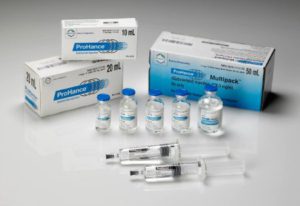
Microbubble contrast agents are injectable suspensions of gas-filled microspheres designed to enhance ultrasound imaging. These specialized ultrasound enhancement agents function as strictly intravascular tracers, remaining within the bloodstream throughout circulation. Their small size (typically 1-10 micrometers in diameter) allows passage through pulmonary capillaries while providing strong acoustic reflectivity. In the United States, two FDA-approved microbubble agents are available: Definity (perflutren lipid microspheres by Lantheus) for cardiac imaging applications, and Lumason (sulfur hexafluoride lipid-type A microspheres by Bracco) for liver and abdominal assessments.
The growing adoption of contrast microbubbles reflects their unique ability to improve diagnostic confidence without radiation exposure. Clinical applications span cardiac function assessment, tumor characterization, and perfusion imaging across multiple organ systems. Their development has expanded the evolution of contrast media in imaging beyond traditional iodinated and barium-based agents.
Composition and Structure of Microbubbles
Microbubble contrast agents consist of a gas core encapsulated by a protective shell material. The gas core typically contains perfluorocarbon or sulfur hexafluoride, chosen for their low solubility in blood. These inert gases remain stable within the microbubble structure during circulation, providing consistent acoustic enhancement.
The outer shell comprises either lipid, protein, or polymer materials that stabilize the gas core. Lipid shells offer optimal biocompatibility and flexibility, allowing microbubbles to deform when passing through narrow capillaries. This encapsulation prevents rapid gas dissolution and maintains microbubble integrity for several minutes.
How Do Microbubbles Enhance Ultrasound Imaging?
CEUS stands for Contrast-Enhanced Ultrasound, a technique utilizing microbubbles to amplify ultrasound signal intensity. When ultrasound waves encounter microbubbles, the gas cores oscillate and produce strong backscattered echoes. This resonance creates a significantly enhanced signal compared to surrounding tissue, improving visualization of blood flow.
Specialized ultrasound software detects and isolates microbubble signals from background tissue echoes using harmonic imaging techniques. The software distinguishes between linear tissue reflections and nonlinear microbubble responses, creating high-contrast vascular images. This real-time capability allows dynamic assessment of tissue perfusion patterns critical for diagnostic imaging outcomes.
Comparison with Other Contrast Media Types
Barium sulfate is an insoluble, inert compound that provides excellent radiopacity for gastrointestinal fluoroscopy. Barium sulfate represents approximately 20% of the total contrast media market share, primarily serving GI imaging applications. Its low cost and safety profile maintain its position as the standard for esophageal and bowel visualization.
Microbubbles represent approximately 8% of the total contrast media market share, reflecting specialized cardiovascular and oncologic applications. Iodinated contrast represents approximately 55% of the total contrast media market, dominating CT and interventional procedures. The distinct characteristics of iodine-based and gadolinium compounds serve different diagnostic needs compared to microbubble technology.
What Are the Clinical Purposes of Microbubble Contrast in Ultrasound?
Microbubble contrast agents address specific diagnostic challenges where conventional ultrasound provides insufficient visualization. CEUS excels in characterizing tissue vascularity, detecting perfusion defects, and evaluating cardiac function. The technique offers particular value for patients with contraindications to iodinated or gadolinium-based agents.
Clinical adoption continues expanding as evidence demonstrates diagnostic equivalence or superiority to conventional imaging. CEUS provides real-time assessment capabilities unavailable with CT or MRI, enabling dynamic evaluation during single examinations. This efficiency reduces patient throughput time while maintaining safety in high-risk patients.
Applications in Echocardiography
Cardiovascular imaging accounts for 48% of the market share within the ultrasound contrast segment. Definity (perflutren lipid microspheres) by Lantheus Medical Imaging serves as the primary cardiac imaging contrast agent. Definity requires 45-second mechanical agitation immediately before injection to properly suspend the microbubbles.
Cardiac applications focus on left ventricular opacification to assess wall motion abnormalities and ejection fraction. CEUS improves endocardial border delineation in patients with suboptimal acoustic windows, reducing inconclusive studies. This enhanced visualization proves especially valuable during stress echocardiography when rapid assessment is critical.
Use in Liver and Vascular Imaging
Lumason (sulfur hexafluoride lipid-type A microspheres) by Bracco received FDA approval for liver lesion characterization. The agent enables real-time assessment of hepatic, renal, and splenic perfusion without ionizing radiation. This capability proves particularly valuable when differentiating benign from malignant focal liver lesions.
Vascular imaging applications include assessing peripheral arterial disease and evaluating transplant organ perfusion. CEUS detects vessel stenosis and evaluates collateral circulation with spatial resolution comparable to angiography. The technique provides continuous monitoring during interventional procedures without cumulative radiation exposure.
Advantages over Ionizing Radiation Techniques
CIN stands for contrast-induced nephropathy, a serious complication associated with iodinated contrast media. Iodinated agents carry the risk of contrast-induced nephropathy, particularly in patients with pre-existing renal insufficiency. Microbubbles completely avoid nephrotoxicity since they are exhaled through the lungs rather than filtered renally.
Potential for hypersensitivity reactions with iodinated agents remains a significant clinical concern requiring premedication protocols. Microbubbles demonstrate substantially lower allergic reaction rates due to their biocompatible lipid or protein shells. This safety advantage makes CEUS an optimal choice for patients requiring repeated imaging assessments.
How Are Microbubble Contrast Agents Administered and Activated?
Microbubble contrast agents require specific preparation protocols to ensure optimal suspension before administration. These agents arrive as lyophilized powder or pre-filled vials requiring activation through mechanical agitation. Proper preparation directly affects image quality by ensuring uniform microbubble distribution throughout the injection volume.
Administration protocols vary by specific product but universally require intravenous access and controlled injection rates. Unlike barium preparations for gastrointestinal studies, microbubbles must remain within the vascular compartment. This requirement demands precise timing coordination between contrast administration and image acquisition.
Preparation and Injection Protocols
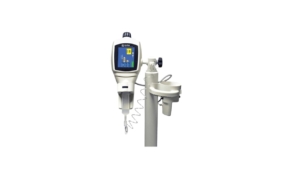
Microbubbles require gentle agitation or activation prior to administration to prevent gas separation from shell materials. The activation process typically involves shaking vials or using mechanical agitation devices for prescribed durations. Definity specifically requires 45 seconds of mechanical agitation using a VIALMIX device to achieve proper suspension.
Microbubbles are administered via intravenous injection, typically as a slow bolus followed by a saline flush. Standard adult doses range from 0.5 to 2.0 mL, depending on the specific product and clinical application. Injection timing must coordinate precisely with ultrasound image acquisition to capture peak microbubble concentration.
Role of Ultrasound Software in Visualization
Microbubbles require specialized ultrasound software capable of detecting nonlinear acoustic responses from oscillating gas bubbles. Standard B-mode ultrasound cannot adequately distinguish microbubble signals from tissue reflections, limiting diagnostic value. Harmonic imaging modes selectively display frequencies generated by microbubble resonance while suppressing tissue harmonics.
Modern CEUS software platforms offer multiple imaging modes, including contrast pulse sequencing and amplitude modulation. These advanced techniques optimize microbubble visualization while minimizing bubble destruction from excessive acoustic pressure. Real-time subtraction algorithms further enhance contrast by removing stationary tissue signals.
Safety and Biocompatibility Considerations
Microbubble safety profiles demonstrate excellent tolerability with minimal adverse event rates across diverse patient populations. The lipid and protein shell materials are biodegradable and metabolized through normal physiological pathways. Gas cores are exhaled through pulmonary circulation without renal filtration, eliminating nephrotoxicity concerns.
Contraindications remain minimal but include right-to-left cardiac shunts and severe pulmonary hypertension in some formulations. Pregnancy safety data remain limited, typically warranting alternative imaging approaches when possible. Post-injection monitoring focuses on rare hypersensitivity reactions, though the incidence remains substantially lower than that of iodinated agents.
What Are the Key Market Trends and Adoption Drivers for Microbubble Agents?
Market dynamics for microbubble contrast agents reflect accelerating adoption driven by radiation safety priorities and technological advances. The shift toward radiation-free imaging modalities continues gaining momentum as healthcare systems implement dose reduction initiatives. CEUS provides diagnostic capabilities previously requiring CT or MRI while eliminating radiation exposure entirely.
Supply chain stability has emerged as a critical factor following recent global shortages of iodinated contrast media. Healthcare facilities increasingly view contrast media diversification as an essential risk management strategy. Microbubbles offer procedural alternatives when traditional contrast agents face availability constraints.
Growth Projections for Ultrasound Contrast Market
The ultrasound contrast agents market was valued at $2.74 billion in 2025 and is projected to reach $3.93 billion by 2033. The CEUS market grew from $1.4 billion in 2022 to $1.6 billion in 2023, demonstrating consistent year-over-year expansion. This growth trajectory reflects increasing clinical validation and expanding approved indications for microbubble applications.
The global contrast media market was valued at $7.65 billion USD in 2025 and reached $8.20 billion USD in 2026. The broader market demonstrates strong fundamentals driven by aging populations and increasing chronic disease prevalence. Microbubbles represent the fastest-growing segment within this landscape, outpacing traditional iodinated and barium products.
Demographic and Geographic Adoption Patterns
The Asia Pacific region is projected to achieve the highest growth rate at a CAGR of 9.5% through 2033. Rapidly developing healthcare infrastructure and expanding diagnostic access drive this regional growth pattern. North America holds 38% of global revenue, supported by advanced technological adoption and favorable reimbursement policies.
Only 22.2% of rural patients live within a 30-minute drive of screening centers compared to 83.2% of urban patients. This geographic disparity influences contrast media injection systems deployment patterns and technology accessibility. Population aging accounts for 12% to 27% of the total increase in imaging utilization across developed markets.
Consumer Preferences and Clinical Priorities
Clinical decision-makers prioritize safety profiles when selecting contrast agents, with 95% rating it as most important. Diagnostic efficacy ranks second at 92% importance, reflecting the fundamental requirement for accurate disease characterization. Accessibility concerns have intensified following recent supply disruptions affecting iodinated contrast availability.
Cost-effectiveness considerations influence adoption patterns, particularly in high-volume cardiovascular imaging settings. Ease of administration affects workflow efficiency, with pre-activated formulations preferred over products requiring complex preparation. These priorities shape procurement decisions as facilities evaluate contrast media pricing trends.
How Do Microbubble Contrast Agents Compare in Cost and Efficacy?
Cost analysis reveals substantial price differences between microbubble and traditional contrast agents across clinical applications. While microbubbles command premium pricing, their value proposition includes radiation elimination and nephrotoxicity prevention. Economic assessments must account for total episode costs rather than agent prices alone.
Efficacy comparisons demonstrate CEUS equivalence or superiority to CT in specific clinical scenarios. Liver lesion characterization studies show comparable diagnostic accuracy between CEUS and contrast-enhanced CT. However, microbubbles cannot replace iodinated agents for all applications due to fundamental differences in imaging capabilities.
Price Tier Comparisons with Barium and Iodinated Agents
Definity pricing ranges from $130 to $220 per vial for standard cardiac imaging doses. E-Z-HD and Readi-Cat barium formulations cost approximately $22 to $28 per dose for routine gastrointestinal studies. Breeza, a low-density oral barium suspension, ranges from $30 to $40 per dose.
The tenfold cost difference between microbubbles and barium reflects their distinct manufacturing complexity and clinical applications. Microbubbles incorporate sophisticated lipid shell engineering and stringent quality controls to ensure consistent acoustic performance. Premium pricing also reflects specialized production facilities and limited market competition.
Diagnostic Efficacy in Different Clinical Scenarios
Interventional radiology accounts for 40% of market share within the broader contrast media landscape. Gastrointestinal imaging accounts for 18% of procedural volume, dominated by barium-based fluoroscopy studies. These application patterns reflect each agent’s optimal clinical utility and diagnostic strengths.
CEUS demonstrates particular efficacy in detecting hypervascular tumors and assessing treatment response following interventions. Studies show 88-95% sensitivity for detecting focal liver lesions compared to 85-92% for contrast-enhanced CT. Real-time dynamic assessment capabilities provide unique advantages when evaluating tissue perfusion patterns.
Limitations and Challenges of Microbubble Use
Microbubbles have a short half-life in circulation, typically ranging from three to eight minutes, depending on formulation. This brief circulation window limits extended imaging protocols and requires precise timing coordination. Repeat injections may be necessary for comprehensive examinations involving multiple organ systems.
Microbubbles have a higher cost per dose than barium, impacting adoption in cost-sensitive practice settings. Equipment requirements include compatible ultrasound systems with specialized CEUS software, representing additional capital investment. These economic barriers slow adoption despite proven clinical benefits.
What Are Emerging Innovations and Future Directions in Microbubble Contrast Technology?
Research and development efforts focus on expanding microbubble capabilities beyond pure diagnostic imaging applications. Next-generation agents incorporate targeted molecular markers, enabling visualization of specific disease processes at the cellular level. These theranostic approaches combine diagnostic imaging with therapeutic drug delivery mechanisms.
Technological advances promise to address current limitations, including short circulation time and acoustic pressure sensitivity. Stabilized microbubble formulations under development aim to extend circulation duration while maintaining acoustic performance. These innovations could expand clinical applications and improve workflow efficiency.
Molecular Targeting and Theranostic Applications
Emerging microbubbles incorporate surface ligands that bind to specific molecular markers associated with disease states. Targeting strategies focus on tumor angiogenesis markers like VEGFR-2 and inflammatory adhesion molecules. These targeted agents accumulate at disease sites, providing enhanced contrast specifically at pathological locations.
Theranostic applications combine diagnostic imaging with therapeutic payload delivery in single-agent formulations. Drug-loaded microbubbles can release chemotherapy agents directly at tumor sites when disrupted by focused ultrasound. This approach enables simultaneous disease visualization and localized treatment with minimal systemic toxicity.
Enhancing Drug Delivery via Sonoporation
Sonoporation utilizes ultrasound-induced microbubble oscillation to temporarily increase cell membrane permeability to therapeutic agents. High-intensity focused ultrasound ruptures microbubbles adjacent to target cells, creating transient pores in membranes. This mechanism enables the intracellular delivery of drugs and genetic material that cannot normally penetrate cells.
Clinical trials evaluate sonoporation for enhancing chemotherapy delivery across the blood-brain barrier in glioblastoma treatment. The technique shows promise for gene therapy applications requiring direct nuclear delivery of genetic constructs. Safety assessments demonstrate acceptable tissue bioeffects when acoustic parameters are properly controlled.
Integration with Advanced Imaging Modalities
Multimodal imaging approaches combine CEUS with CT, MRI, or PET to leverage complementary diagnostic information. Hybrid imaging protocols use CEUS for initial screening followed by definitive characterization with other modalities. This staged approach optimizes diagnostic accuracy while minimizing radiation exposure and nephrotoxic agent use.
Artificial intelligence algorithms increasingly assist in CEUS interpretation by quantifying perfusion parameters and detecting subtle abnormalities. Machine learning models analyze time-intensity curves to characterize lesion vascularity with objective reproducibility. These computational advances promise to standardize CEUS interpretation and improve diagnostic consistency.
How Do Microbubble Contrast Agents Fit Within the Broader Contrast Media Landscape?
Microbubbles occupy a specialized niche within the diverse contrast media ecosystem serving modern diagnostic imaging. Each contrast category—barium, iodinated, gadolinium, and microbubbles—addresses specific clinical needs with distinct safety profiles. Understanding when to use contrast media in diagnostics requires evaluating patient factors, diagnostic questions, and available imaging technologies.
The complementary nature of different contrast agents enables tailored imaging strategies for individual patients. Facilities offering comprehensive contrast options can adapt protocols based on renal function, allergy history, and radiation sensitivity. This flexibility improves diagnostic confidence while maintaining patient safety across diverse clinical scenarios.
Healthcare systems continue evaluating microbubbles as radiation-free alternatives to traditional CT and fluoroscopy protocols. Cost considerations balance against clinical benefits, including nephrotoxicity prevention and radiation dose elimination. As pricing stabilizes and reimbursement policies evolve, adoption patterns will likely accelerate beyond current cardiovascular-focused applications.
The ultrasound contrast market represents the fastest-growing segment within diagnostic imaging, driven by safety advantages and expanding indications. Facilities seeking reliable access to diverse contrast options benefit from established supplier relationships, ensuring product availability. Spectrum Medical X-Ray Company maintains prime dealer status with leading contrast media manufacturers, supporting facility needs across all imaging modalities.
For facilities evaluating contrast media options or seeking reliable supply partnerships, contact our sales team to discuss comprehensive imaging solutions tailored to your practice requirements.
Reliable Access to Ultrasound Contrast Agents – Backed by 30+ Years of Expertise
Spectrum Medical Imaging Co. has supplied hospitals, imaging centers, and specialty practices across the West Coast for over 30 years. As a prime dealer with leading contrast media manufacturers, we provide dependable access to ultrasound contrast agents—including Definity and Lumason—along with the full range of radiology equipment, imaging supplies, and services your facility needs to operate without interruption.
Our manufacturer relationships translate into competitive pricing, guaranteed product availability, and 24–48 hour nationwide shipping—so supply disruptions never become your problem. Whether you’re stocking contrast media, sourcing power injector supplies, or planning a full equipment upgrade, our team is ready to help.
Contact us to speak with a specialist and find out how Spectrum Medical Imaging Co. can support your contrast media supply and imaging operations.