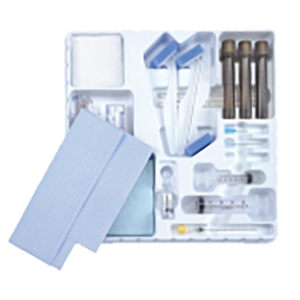
Check valves in injector tubing are specialized one-way flow devices that prevent fluid from moving backward through medical delivery systems. These components maintain unidirectional flow during contrast media injection, eliminating cross-contamination risks that could compromise patient outcomes. Medical facilities rely on properly functioning essential consumables for high-performance contrast media injector systems to ensure diagnostic accuracy and patient safety. Understanding the mechanical principles and failure modes of these components enables healthcare providers to make informed procurement decisions that balance cost with clinical reliability.
Key Takeaways
- Check valves prevent reverse flow in injector tubing to eliminate cross-contamination risks during contrast delivery
- Device component failure causes 19.4% of hospital adverse events, making reliability essential
- Silicone tubing offers superior biocompatibility, while PVC provides cost efficiency at $0.50 to $1.20 per meter
- Quality and reliability account for 22% of procurement decision weighting, prioritized over cost factors
- The medical check valve market will reach USD 2.58 billion by 2035 at 7.2% CAGR
What Are Check Valves and Injector Tubing in Medical Devices?
Check valves are mechanical devices that permit fluid flow in one direction while blocking reverse movement. Injector tubing serves as the conduit for transporting contrast media from the reservoir to the patient during diagnostic imaging procedures.
What Is the Primary Function of Injector Tubing?
Injector tubing delivers contrast media from the syringe reservoir to the patient’s vascular system at controlled pressure and volume. Maintaining precise dimensional tolerances ensures consistent flow rates and prevents pump inefficiencies during injection sequences.
How Do Check Valves Operate Within Injector Tubing?
Check valves open when forward pressure exceeds a predetermined cracking threshold, allowing fluid to pass through the system. When pressure reverses or equalizes, the valve closes automatically to prevent backflow and potential contamination of the delivery system.
What Are Common Types of Check Valves Used in Medical Tubing?
Duckbill valves are normally open valves that allow for low cracking pressure and provide a non-tortuous path for fluid. Umbrella valves are normally closed elastomeric valves that work effectively when matched to a precise sealing surface. Disk and V-Ball valves used for specific pressure and flow requirements offer alternative solutions for complex medical device applications.
Why Are Check Valves Essential for Patient Safety?
Check valves prevent backflow during contrast injection, ensuring that administered media reaches the target anatomy without reverse contamination. Proper valve function protects patients from exposure to unintended substances that could enter the delivery system through pressure differentials.
How Do Check Valves Prevent Backflow and Cross-Contamination?
Check valves create a mechanical barrier that closes when fluid attempts to reverse direction through the tubing system. Cross-contamination risk from reverse flow without proper check valve function can introduce blood or other contaminants into sterile contrast reservoirs.
What Are the Risks Associated With Check Valve or Tubing Failure?
Component failure directly impacts patient outcomes by allowing unintended fluid movement or interrupting therapeutic delivery. Device component failure is the primary direct cause of infusion pump failures according to Class I FDA recall analysis. Hardware faults include sensor failure, infusion tube occlusion, pump door malfunction, flow restrictor displacement, and connection breakage. Failures can lead to incorrect dosage delivery or interruption of therapy during critical diagnostic procedures. Potential for serious injury or death from component failures makes reliability assessment essential for regulatory compliance safety protocols.
How Do Regulatory Standards Ensure Safety and Compliance for Check Valves?
Regulatory bodies require manufacturers to conduct rigorous testing that demonstrates biocompatibility and functional reliability under clinical conditions. Class I FDA recalls represent the most serious type of recall where there is reasonable probability that use will cause serious adverse health consequences or death, making comprehensive medical device recalls tracking critical for facility risk management.
What Materials Are Used in Injector Tubing and Check Valves?
Material selection determines the biocompatibility, durability, and chemical resistance of fluid control components in medical applications. Healthcare providers must evaluate material properties against clinical requirements and budget constraints when specifying injector tubing systems.
What Are the Properties of Silicone Tubing Compared to PVC Tubing?
Silicone tubing consists of alternating silicon and oxygen atoms, making it chemically inert and highly stable. PVC tubing is a synthetic plastic polymer that requires chemical plasticizers such as DEHP to achieve flexibility. Silicone tubing costs $1.50 to $4.50 plus per meter versus PVC tubing costs $0.50 to $1.20 per meter. Silicone offers extremely high biocompatibility versus PVC offers moderate biocompatibility depending on additives, with silicone demonstrating excellent temperature resistance versus PVC showing low temperature resistance.
How Does Material Choice Impact Durability and Biocompatibility?
PVC provides crystal clear visibility versus silicone has a slightly translucent appearance, affecting clinician ability to monitor fluid flow. Silicone can cost three to four times more than standard PVC tubing but offers superior reusability across multiple sterilization cycles. Chemical leaching possible with aggressive drugs in PVC tubing may compromise contrast power injector syringes tubing integrity over time. PVC tubing melts at high heat temperatures, limiting sterilization options for reusable device configurations.
What Design Features Influence Check Valve Performance and Reliability?
Custom-formulated elastomeric check valves with specific cracking pressures enable precise fluid control tailored to device requirements. Early consultation with valve suppliers during design stages prevents costly redesigns and ensures optimal integration with system pressure characteristics.
How Do Healthcare Providers Evaluate and Select These Components?
Healthcare organizations employ structured decision frameworks that balance clinical requirements with fiscal responsibility when evaluating medical components. Understanding these priority weightings helps manufacturers align product development with market demands and procurement criteria.
What Criteria Influence Procurement Decisions for Medical Tubing and Valves?
Quality and reliability accounts for 22 percent of procurement decision weighting among healthcare facility administrators. Safety compliance accounts for 20 percent of procurement decision weighting, reflecting regulatory pressure and liability concerns. Cost and value accounts for 18 percent of procurement decision weighting, balancing acquisition price against lifecycle expenses. Delivery and supply chain accounts for 16 percent of procurement decision weighting to prevent clinical disruptions. Technical support accounts for 12 percent of procurement decision weighting, providing access to manufacturer expertise when troubleshooting issues.
How Is Quality and Reliability Prioritized Over Cost in Selection?
Healthcare facilities recognize that component failure creates downstream costs exceeding initial savings from budget procurement choices. Reliable injector tubing check valves reduce adverse event frequency, minimizing liability exposure and protecting institutional reputation in competitive markets.
What Role Does Technical Support and Supply Chain Reliability Play?
Technical support enables clinical staff to resolve operational issues without extended equipment downtime during high-volume imaging schedules. Consistent supply chain performance prevents inventory stockouts that could force procedure cancellations and revenue loss for imaging facilities.
What Market and Demographic Trends Affect Injector Tubing and Check Valves?
Global demographic shifts and regional healthcare disparities create varying demand patterns for medical fluid management components. Understanding these trends helps facilities anticipate long-term equipment needs and budget allocation for imaging department expansions.
How Is the Aging Global Population Driving Demand?
The number of individuals aged 65 plus expected to reach 1.5 billion by 2050 creates sustained demand growth for diagnostic imaging. The 65 plus age group will represent 16 percent of the global population by 2050, requiring expanded chronic disease management infrastructure.
What Regional Variations Exist in Adoption and Usage?
North America accounts for 38 to 40 percent of the infusion pump market due to advanced healthcare infrastructure and regulatory frameworks. Europe accounts for 28 percent of the infusion pump market with stringent safety standards driving premium component adoption. Asia-Pacific represents 24 percent of the infusion pump market, showing rapid growth as government healthcare expenditure increases across developing nations.
How Do Urban and Rural Healthcare Settings Differ in Technology Implementation?
Urban EHR adoption rate is 74 percent while rural EHR adoption rate is 64 percent, revealing technology access disparities. Rural facilities often face budget constraints limiting investment in premium medical components due to lower patient volumes. Rural facilities rely heavily on Medicaid funding, which reimburses at lower rates than commercial insurance plans. Technology gap exists between urban and rural healthcare facilities, affecting access to advanced fluid control systems and smart pump technologies.
How Are Failure Modes and Reliability Issues Addressed in Practice?
Systematic analysis of device failures enables healthcare facilities to identify recurring problems and implement preventive maintenance strategies. Proactive monitoring reduces unplanned equipment downtime and protects patients from exposure to malfunctioning medical devices during procedures.
What Are Common Failure Modes of Infusion Pump Components?
Infusion pumps represent 19.4 percent of all adverse events in hospital settings according to comprehensive safety analysis. Maximum repair time in Neurological ICU reached 1,237.99 hours in Brazilian hospital reliability study examining maintenance patterns. A study involving 193 infusion pumps was analyzed in a Brazilian hospital reliability study to establish statistical models for time between failures.
How Do Device Recalls Highlight Check Valve and Tubing Vulnerabilities?
Recall analysis reveals that energy hazards and component failures dominate Class I FDA actions for infusion systems. Documentation of recall patterns helps procurement specialists identify high-risk device configurations and prioritize vendors with superior quality records.
What Strategies Exist to Monitor and Mitigate Component Failures?
Implement facility-wide risk assessment of infusion pump problems using standardized reporting protocols across all clinical departments. Utilize incident reports, event logs, and smart pump data to identify recurring component failures before they escalate to adverse events.
What Are the Main Types and Design Considerations for Medical Check Valves?
Check valve design selection depends on pressure requirements, flow rate specifications, and chemical compatibility with administered fluids. Engineers must balance mechanical performance with manufacturing constraints and cost targets during device development cycles.
How Do Duckbill and Umbrella Valves Differ in Design and Application?
Duckbill valves feature a slit-like opening that requires minimal forward pressure to initiate flow through the device. Umbrella valves incorporate a dome-shaped elastomer that seats against a rigid orifice, providing positive shutoff under reverse pressure conditions.
What Cracking Pressure and Flow Requirements Affect Valve Choice?
Low cracking pressure valves minimize resistance during forward flow, reducing energy requirements for pump systems and patient discomfort. Higher cracking pressures provide more positive sealing against backflow but may require increased pump pressure to achieve target flow rates.
How Does Valve Design Integration Impact Overall Device Performance?
Conduct in-depth consultation with check valve suppliers in early design stages to optimize component selection for intended application. Proper integration ensures that valve performance complements system pressure characteristics and maintains contrast safety throughout the injection cycle, particularly when facilities are evaluating options through a contrast media selection guide for radiology clinics.
Market Overview and Critical Role of Check Valves in Injector Tubing
The medical tubing market demonstrates significant expansion driven by technological advancement and increasing healthcare demands worldwide. The medical tubing market valued at USD 12.53 billion in 2025 will expand as minimally invasive procedures become standard care. The medical tubing market projected to reach USD 18.41 billion by 2030 reflects sustained investment in healthcare infrastructure across developed and emerging economies. Medical tubing market CAGR of 8.0 percent during forecast period indicates robust growth exceeding general economic expansion rates. The check valve market estimated to reach USD 2.58 billion by 2035 represents a specialized segment within broader fluid management components. Check valve market CAGR of 7.2 percent from 2026 to 2035 demonstrates consistent demand growth for precision flow control devices.
Understanding these market dynamics helps healthcare facilities anticipate supply chain stability and evaluate vendor financial viability for long-term partnerships. The integration of check valves into contrast injector systems requires adherence to strict biocompatibility standards that verify material safety through ISO 10993-1 testing protocols. Facilities must balance acquisition costs against total lifecycle expenses when specifying fluid management components for imaging departments.
Work With a Contrast Injector Specialist You Can Trust
Check valve failures and tubing incompatibilities put more than your workflow at risk. Spectrum Medical Imaging Co. has supplied and serviced contrast injector systems for over 30 years, and our team can help you source the right tubing consumables, evaluate replacement options, and keep your injectors running without interruption. Whether you need OEM-compatible tubing sets, check valve replacements, or guidance on injector maintenance, we are ready to help. Contact us at Spectrum Medical Imaging Co. to speak with a specialist today.