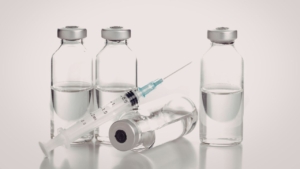
Hospital radiology departments face critical decisions when selecting contrast media for diagnostic imaging. The choice between low-osmolar contrast and iso-osmolar contrast directly affects patient outcomes, adverse reaction rates, and departmental budgets. Understanding chemical properties, safety profiles, and economic implications enables informed hospital procurement decisions.
The global contrast media market reached USD 7.31 billion in 2025 and continues expanding at 7.9% annually. Iodinated contrast agents represent 55% of the total market value, driven by increasing CT scan volumes and aging populations. Hospital administrators must evaluate osmolality levels, nephrotoxicity risks, and per-dose costs against clinical protocols and patient demographics.
Key Takeaways
- Low-osmolar contrast media dominate 85-90% of the market due to optimal safety and cost balance
- Iso-osmolar contrast media offer the lowest osmolality but cost $30-$50+ per dose versus $15-$30 for low-osmolar agents
- Adverse reaction rates decreased from 12.7% with high-osmolar agents to 3.1% with low-osmolar formulations
- Proper hydration protocols minimize nephrotoxicity differences between low-osmolar and iso-osmolar agents
- GE HealthCare and Bracco Imaging control over 90% of the US iodinated contrast media market
What Are Low-Osmolar and Iso-Osmolar Contrast Media?
Low-osmolar contrast media are non-ionic monomeric compounds with osmolality ranging from 600 to 850 mOsm/kg. These agents do not dissociate into separate particles when dissolved, resulting in lower osmotic pressure than earlier ionic formulations. Common examples include iohexol (Omnipaque), iopamidol (Isovue), and ioversol (Optiray), which have become the standard for most intravascular contrast procedures.
Iso-osmolar contrast media consist of non-ionic dimeric molecules with osmolality around 290 mOsm/kg, matching human blood plasma. Iodixanol (Visipaque) is the primary commercially available iso-osmolar agent. These formulations theoretically minimize osmotic disruption to blood vessels and surrounding tissues during injection.
Chemical Composition and Osmolality Differences
Chemical structure determines how contrast agents behave in biological systems and influences their safety profiles. Non-ionic low-osmolar agents contain three iodine atoms per molecule without ionic charge separation. Their osmolality remains two to three times higher than blood plasma but significantly lower than older high-osmolar formulations.
Iso-osmolar contrast media achieve blood-isotonic osmolality through dimeric molecular architecture, bonding two triiodinated benzene rings. This structure doubles iodine content per particle, maintaining diagnostic capability while matching physiological osmolality. However, a complete guide to contrast agents reveals that higher molecular weight increases viscosity, requiring warming before injection to ensure adequate flow rates.
Typical Clinical Applications for Each Type
Low-osmolar contrast agents serve as the universal standard for routine CT imaging across body regions. Hospitals use these formulations for contrast-enhanced chest, abdomen, pelvis, and vascular studies. Their favorable safety profile and moderate cost make them appropriate for general patient populations without significant risk factors.
Iso-osmolar contrast media are reserved for patients with elevated nephrotoxicity risk, including those with chronic kidney disease or diabetes. Interventional radiology departments may preferentially use iodixanol for intra-arterial procedures in high-risk patients. Some facilities maintain both agent types to match contrast selection with individual patient risk stratification.
How Do Safety Profiles Compare Between Low-Osmolar and Iso-Osmolar Contrast Media?
Safety considerations dominate contrast media selection because adverse reactions directly affect patient care quality and liability exposure. Clinical data demonstrate substantial improvements as the industry transitioned from high-osmolar to low-osmolar agents over the past three decades.
Historical high-osmolar ionic contrast media produced adverse reactions in 12.7% of patients. Low-osmolar non-ionic agents reduced this rate to 3.1%, representing a four-fold safety improvement. This dramatic reduction drove near-universal adoption of low-osmolar formulations in developed markets despite higher per-dose costs.
Risk of Adverse Reactions and Allergic-Like Events
Allergic-like reactions to contrast media range from mild skin reactions to severe anaphylactoid responses. Non-ionic low-osmolar agents demonstrate significantly lower rates of nausea, vomiting, and urticaria compared to ionic high-osmolar predecessors. Chemical stability and reduced osmotic stress contribute to improved patient tolerance during and after injection.
Iso-osmolar agents theoretically offer additional safety margins for patients with previous contrast reactions or multiple drug allergies. However, clinical studies comparing low-osmolar and iso-osmolar formulations show minimal differences in overall adverse reaction rates. Facilities should implement pretreatment for IV contrast allergy protocols regardless of which non-ionic agent type they select.
Impact on Contrast-Induced Acute Kidney Injury (CI-AKI)
Contrast-induced acute kidney injury represents the most serious potential complication following intravascular contrast administration. High-osmolar agents demonstrated substantially higher nephrotoxicity compared to low-osmolar formulations in patients with pre-existing renal impairment. Elderly patients over 65 years old face elevated CI-AKI risk due to age-related renal function decline and concurrent medical conditions.
Studies comparing low-osmolar and iso-osmolar agents show minimal nephrotoxicity differences when proper hydration protocols are followed. Intravenous volume expansion with 0.9% saline provides more consistent CI-AKI prevention than contrast agent selection alone. Balancing safety and clarity requires implementing comprehensive protocols that address patient hydration and baseline renal function assessment.
Patient Tolerance and Extravasation Risks
Patient tolerance encompasses both immediate injection discomfort and post-procedure recovery. High-osmolar agents caused significant pain during injection and frequent reports of heat sensation and metallic taste. Low-osmolar and iso-osmolar formulations substantially improved patient comfort, reducing injection-related complaints and anxiety about repeat procedures.
Extravasation injuries occur when contrast media leaks into surrounding soft tissues. High-osmolar agents produced severe tissue damage, including skin necrosis, requiring surgical intervention in extreme cases. Iso-osmolar agents exhibit higher viscosity than low-osmolar formulations, potentially increasing injection pressure and extravasation risk if proper warming and flow rate protocols are not followed.
What Are the Efficacy and Imaging Quality Considerations?
Diagnostic imaging quality depends on achieving sufficient iodine concentration in target vessels and tissues. All modern contrast agents contain three iodine atoms per benzene ring, providing equivalent attenuation per iodine molecule. Total iodine concentration, typically ranging from 240 to 400 mg I/mL, determines radiographic density on CT images.
Clinical studies demonstrate equivalent diagnostic efficacy between low-osmolar and iso-osmolar agents when matched for iodine concentration and injection protocols. The critical role of CT and MRI contrast media in diagnostic accuracy depends more on injection timing and technique than on osmolality differences between non-ionic formulations.
Iodine Concentration and Vascular Attenuation
Vascular attenuation measured in Hounsfield units correlates directly with iodine delivery to the imaging region. Higher iodine concentrations enable smaller injection volumes or improved enhancement for challenging studies. Standard concentrations of 300 and 370 mg I/mL serve most clinical applications, while 400 mg I/mL formulations benefit large-body patients or specific vascular protocols.
Iso-osmolar agents achieve blood-isotonic osmolality through a dimeric molecular structure, which inherently provides higher iodine content per particle. This molecular efficiency allows iso-osmolar formulations to deliver equivalent enhancement with potentially reduced osmotic stress. However, increased viscosity requires careful attention to injection flow rates and catheter size selection to prevent pressure-related complications.
Diagnostic Accuracy for Common Imaging Procedures
Contrast-enhanced CT imaging for oncology, cardiovascular disease, and trauma evaluation requires reliable vascular opacification. Low-osmolar agents demonstrate proven efficacy across all major clinical indications, supporting their status as the standard of care. Diagnostic accuracy for detecting tumors, vascular abnormalities, and inflammatory conditions remains consistent across different low-osmolar formulations.
Iso-osmolar agents produce equivalent diagnostic quality for routine CT examinations when properly administered. Specialized cardiac CT and coronary angiography protocols may benefit from iso-osmolar agents in patients with marginal renal function. Understanding how contrast media improve diagnostic imaging outcomes helps radiology departments establish evidence-based protocols that optimize both image quality and patient safety.
How Do Cost Factors Influence Contrast Media Selection?
Cost considerations significantly impact hospital procurement decisions due to high procedure volumes and tight operating margins. Per-dose pricing varies substantially across contrast agent categories, creating financial pressure to minimize expenditures without compromising patient safety. Budget-conscious facilities must balance acquisition costs against potential downstream expenses from adverse events.
Historical pricing data shows that low-osmolar agents initially cost 13 to 24 times more than high-osmolar predecessors. Market competition and volume-based purchasing reduced this differential, making low-osmolar formulations economically viable for universal adoption. Current price structures reflect manufacturing complexity, market positioning, and volume-based contracting strategies employed by major suppliers.
Price Tiers and Purchasing Strategies
High-osmolar contrast media historically ranged from $2 to $8 per dose but are no longer routinely used for intravascular applications. Low-osmolar agents typically cost $15 to $30 per dose before volume discounts and group purchasing agreements. Iso-osmolar agents command premium pricing from $30 to $50+ per dose due to complex manufacturing and specialized clinical positioning.
Hospital procurement teams leverage group purchasing organizations to negotiate favorable pricing and supply agreements. Volume commitments and sole-source contracts enable substantial discounts from list prices. Contrast media pricing trends 2026 indicate ongoing consolidation among major manufacturers, potentially reducing negotiating leverage for smaller facilities.
Economic Impact of Using Premium vs. Standard Agents
Routine use of premium iso-osmolar agents for all patients substantially increases departmental operating costs without proportional clinical benefit. Economic analyses estimate the incremental cost-effectiveness of iodixanol versus iopamidol at approximately $14,660 per additional life year gained. This ratio falls within accepted thresholds but justifies selective rather than universal iso-osmolar agent use.
Targeted deployment of iso-osmolar agents for high-risk patients potentially reduces overall healthcare costs by preventing CI-AKI and associated hospitalizations. Studies show cost savings when iso-osmolar formulations replace low-osmolar agents specifically for intra-arterial procedures in patients with elevated renal risk. Cost-effective contrast media management strategies enable hospitals to optimize patient outcomes while maintaining fiscal responsibility.
When Should Patient Risk Factors Affect Contrast Media Choice?
Patient-specific risk assessment determines appropriate contrast agent selection for individual cases. Universal low-osmolar agent use provides adequate safety for general populations without significant risk factors. Identification of high-risk patients enables selective deployment of premium iso-osmolar formulations where clinical benefit justifies increased cost.
Risk stratification protocols require systematic evaluation of renal function, medical history, and concurrent conditions before contrast administration. Pre-procedure screening identifies patients who benefit from enhanced hydration protocols and contrast agent modifications. This selective approach optimizes both patient outcomes and resource allocation across diverse patient populations.
Screening for Renal Function and Other High-Risk Conditions
Facilities must screen patients for CI-AKI risk factors before administering intravascular contrast media. Laboratory assessment of estimated glomerular filtration rate identifies patients with severe renal insufficiency, defined as eGFR below 30 mL/min/1.73 m². Patients with acute kidney injury require special consideration due to unstable renal status and elevated complication risk.
Additional high-risk conditions include diabetes mellitus, congestive heart failure, and advanced age over 70 years. Multiple concurrent risk factors compound CI-AKI probability, warranting enhanced preventive measures. Radiology departments should implement standardized screening questionnaires and laboratory review protocols to identify patients requiring modified contrast protocols before procedure scheduling.
Guidelines for High-Risk Patient Management and Hydration Protocols
Intravenous volume expansion with isotonic saline represents the primary preventive strategy for CI-AKI in high-risk patients. Protocols typically administer 0.9% sodium chloride at 100 mL/hour for 6 to 12 hours before and after contrast exposure. This hydration regimen reduces nephrotoxicity risk more consistently than contrast agent selection alone.
High-risk patients may benefit from iso-osmolar agent use combined with aggressive hydration protocols. Alternative strategies include minimizing contrast volume, delaying repeat examinations, and selecting non-contrast imaging when clinically appropriate. Evaluating reliable contrast media suppliers ensures facilities maintain an adequate stock of both low-osmolar and iso-osmolar agents to support risk-stratified protocols.
What Are the Market Trends and Adoption Patterns for These Contrast Media?
Market adoption patterns reflect the balance between clinical evidence, economic pressures, and regulatory guidance. The contrast media industry experienced a dramatic transformation from high-osmolar to low-osmolar agents during the 1990s. This transition demonstrates how compelling safety data can overcome significant cost barriers when clinical benefits are substantial.
Current market dynamics show stability in low-osmolar agent dominance with gradual iso-osmolar growth in specific segments. Geographic variation in adoption patterns reflects differences in healthcare funding models, regulatory environments, and cost sensitivity. Understanding these trends helps hospital procurement teams anticipate supply chain dynamics and negotiating opportunities.
Historical Transition from High-Osmolar to Low-Osmolar Agents
In 1988, only 15 to 20% of contrast injections utilized low-osmolar formulations due to substantial price premiums. Clinical evidence demonstrating superior safety profiles drove adoption despite unfavorable reimbursement policies. By 1994, approximately 60% of radiologists implemented universal low-osmolar agent use, accepting higher costs for improved patient safety.
High-osmolar agents are now largely phased out of intravascular use in developed nations due to unacceptable adverse reaction rates. This complete market displacement occurred over approximately 15 years despite significant economic barriers. The transition established low-osmolar agents as the minimum safety standard for modern contrast-enhanced imaging.
Current Growth in Iso-Osmolar Contrast Media Use
Non-ionic low-osmolar agents currently command 85 to 90% market preference across developed healthcare markets. Iso-osmolar formulations represent 5 to 10% of current usage, concentrated in high-risk patient populations. Ionic high-osmolar agents account for less than 5% of market share, limited to specific gastrointestinal applications — such as oral and rectal contrast procedures using agents like Gastrografin — and cost-constrained developing markets.
The iso-osmolar segment experiences gradual growth as hospitals implement risk-stratified protocols. Clinical data supporting selective iso-osmolar use in high-risk patients drives this expansion. However, routine universal deployment remains economically unjustified for general populations, limiting market penetration potential for premium formulations.
Geographic and Demographic Usage Variations
North America dominated the global contrast media market with 38.92% revenue share in 2025, reflecting high procedure volumes and advanced healthcare infrastructure. Universal adoption of non-ionic agents in this region establishes the safety standard influencing global practice. Premium agent penetration is highest in North American facilities due to greater financial resources and comprehensive insurance coverage.
Asia Pacific markets are projected to grow at 9.5% CAGR, the highest global rate. Expanding healthcare infrastructure and rising middle-class populations drive increased diagnostic imaging utilization. Rural areas face limitations in onsite technical staff and advanced imaging equipment, creating disparities in contrast agent access and utilization compared to urban medical centers.
What Is the Competitive Landscape of Low-Osmolar and Iso-Osmolar Contrast Media?
The contrast media industry is highly concentrated among a small number of multinational pharmaceutical manufacturers. Market leaders leverage extensive clinical data, established supply chains, and long-term hospital contracts to maintain dominant positions. This consolidation creates both stability and challenges for hospital procurement teams seeking competitive pricing.
Competitive dynamics balance brand loyalty built on reliability and safety records against cost pressures from generic alternatives. Major manufacturers invest heavily in clinical studies and regulatory compliance to defend premium positioning. Understanding supplier capabilities and market positioning enables more effective negotiations and supply chain risk management.
Major Manufacturers and Leading Products
GE HealthCare holds more than 50% of the US iodinated contrast media market share across multiple formulations. Their flagship product Omnipaque (iohexol, low-osmolar) serves as the most widely used non-ionic agent across CT body, vascular, and oncology protocols. Visipaque (iodixanol, iso-osmolar) by GE HealthCare represents the only widely available iso-osmolar agent, preferred for patients with elevated renal risk, including chronic kidney disease and diabetes.
Bracco Imaging holds approximately 40 to 45% of the US market share, primarily through Isovue (iopamidol, low-osmolar). This low-osmolar non-ionic agent is used broadly in contrast-enhanced CT across chest, abdomen, and pelvis studies. Guerbet manufactures Optiray (ioversol, low-osmolar), a non-ionic iodinated agent with comparable safety and efficacy profiles to iohexol-based formulations.
Emerging Players and Generic Formulations
Regional manufacturers are entering developing markets with generic low-osmolar formulations to address cost sensitivities. Jodas Expoim Pvt. Ltd. and J.B. Chemicals & Pharmaceuticals Ltd., both based in India, represent emerging regional players. These companies focus on price-competitive generic iohexol and iopamidol formulations targeting the Asia Pacific and other developing regions.
Generic competition remains limited in developed markets due to strict regulatory requirements and established brand loyalty. Hospitals prioritize supply reliability and comprehensive safety documentation over marginal cost savings from newer suppliers. However, emerging manufacturers may gain market share if they establish equivalent safety records and secure regulatory approvals in major markets.
Market Positioning and Contracting Approaches
Market leaders emphasize clinical efficacy, extensive safety data, and supply chain reliability to justify premium positioning. Long-term group purchasing organization contracts provide volume discounts while ensuring supply stability for large health systems. Value-based positioning connects clinical benefits to downstream cost avoidance from reduced adverse events and complications.
Premium iso-osmolar agents target specialized high-risk segments rather than universal adoption. Cost-benefit analyses support selective deployment where potential CI-AKI prevention justifies higher acquisition costs. Competitive pressure from generic low-osmolar agents forces brand-name manufacturers to defend market share through enhanced service offerings and risk-sharing agreements with large hospital networks.
Analysis and Strategic Considerations for Hospital Contrast Media Procurement
The global contrast media market, valued at USD 7.31 billion to USD 7.65 billion in 2025, is projected to reach USD 12.08 billion by 2031. This represents a CAGR of 7.9% from 2026 to 2031, driven by aging populations and expanding diagnostic imaging utilization. Hospital procurement teams must develop strategies that balance patient safety, clinical efficacy, and cost effectiveness across diverse patient populations.
Strategic procurement requires understanding clinical evidence supporting risk-stratified contrast protocols. Universal low-osmolar agent use provides appropriate safety for general populations, while selective iso-osmolar deployment targets high-risk patients. Implementing standardized screening and hydration regimens maximizes patient outcomes regardless of specific agent selection, addressing primary drivers of contrast-related complications.
Effective hospital procurement strategies leverage volume-based contracts while maintaining supply diversity to mitigate shortage risks. Dual-source agreements for low-osmolar agents combined with strategic iso-osmolar inventory support risk-stratified protocols. Regular market analysis and supplier relationship management enable cost optimization without compromising clinical quality standards that define modern diagnostic imaging practice.
Spectrum Medical Imaging Co. partners with healthcare facilities to optimize contrast media procurement through established relationships with major manufacturers. Their 30+ years of experience and prime dealer status with GE HealthCare and Guerbet ensure reliable access to both low-osmolar and iso-osmolar formulations. Facilities benefit from 24 to 48-hour nationwide shipping and competitive pricing that supports evidence-based contrast protocols.
Hospital radiology departments seeking comprehensive support for contrast media procurement and imaging supply chain management should establish partnerships with experienced distributors. Finding the best contrast media supplier requires evaluating supplier stability, manufacturer relationships, and technical support capabilities that extend beyond simple product distribution.
Get Reliable Contrast Media Supply Backed by 30+ Years of Expertise
Spectrum Medical Imaging Co. helps hospitals and imaging centers build smarter contrast media procurement strategies. As a prime dealer for GE HealthCare and Guerbet, we provide direct access to low-osmolar and iso-osmolar formulations — including Omnipaque, Visipaque, Isovue, and Optiray — with 24–48 hour nationwide shipping and pricing that beats the competition. Whether you’re standardizing a risk-stratified contrast protocol or managing high-volume CT procurement, our team brings over 30 years of hands-on experience to every account.Contact us to speak with a contrast media specialist today.