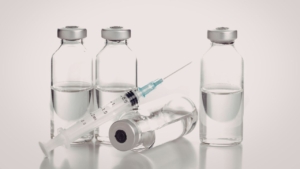
Contrast media risk reduction begins with understanding that modern agents are generally safe when proper protocols are followed. Adverse reactions occur in a small percentage of patients, but systematic screening and preparedness minimize serious complications. Evidence-based strategies focus on patient history documentation, kidney function assessment, and agent selection.
Healthcare facilities implementing comprehensive safety guidelines reduce both immediate hypersensitivity reactions and delayed kidney-related complications. Effective risk management requires coordination between ordering physicians, radiologists, technologists, and nursing staff. The most effective approach combines pre-procedure screening with emergency readiness and detailed documentation.
Key Takeaways
- Modern low-osmolar iodinated contrast media have acute adverse reaction rates of 0.2%-0.7%, with severe reactions occurring in approximately 0.02% of cases
- Switching to a different contrast agent after a prior reaction reduces recurrence risk more effectively than premedication alone
- Renal function assessment through eGFR screening and hydration protocols are essential for preventing contrast-induced nephropathy in high-risk patients
- Prior reaction history is the strongest predictor of future adverse events, requiring detailed documentation of specific product names and reaction characteristics
- Emergency preparedness with epinephrine availability and staff training on acute reaction management improves patient safety outcomes
What Are Contrast Media and Their Main Types?
Contrast media are pharmaceutical agents enhancing visualization of internal structures during diagnostic imaging. These substances improve tissue differentiation by altering how X-rays, magnetic fields, or ultrasound waves interact with the body. Selection depends on imaging modality, clinical indication, and patient risk factors.
Four main categories serve distinct clinical purposes. Iodinated agents dominate CT and angiography workflows, while gadolinium-based compounds are essential for MRI enhancement. Barium suspensions remain standard for gastrointestinal studies, and microbubble agents support specialized ultrasound applications.
What Is Iodinated Contrast Media and When Is It Used?
Iodinated contrast agents are water-soluble molecules containing iodine atoms that strongly absorb X-rays. These agents are used primarily in computed tomography, CT angiography, conventional angiography, and urography procedures. Market analysis shows iodinated contrast media held 71.52% market share in 2025.
Utilization data demonstrates even stronger dominance by volume. Iodinated agents accounted for 12.9 billion mL of the 13.5 billion mL total contrast volume, representing 95.6% of recorded use. This reflects the fundamental importance of CT imaging in emergency medicine, oncology, and cardiovascular diagnostics.
How Do Gadolinium-Based Agents Differ from Iodinated Media?
Gadolinium-based contrast agents contain a gadolinium ion chelated by linear or macrocyclic ligands for safe MRI use. These compounds work by altering local magnetic field properties rather than absorbing X-rays. Gadolinium agents contributed 0.6 billion mL, representing 4.4% of total contrast volume.
The critical formulation difference between linear and macrocyclic gadolinium agents affects safety profiles. Linear GBCA uses open-chain chelation with lower kinetic stability and greater retention concerns. Macrocyclic GBCA employs cage-like chelation, providing greater stability, particularly important for patients with kidney disease.
What Roles Do Barium and Microbubble Agents Play?
Microbubble ultrasound agents consist of gas-filled microbubbles with lipid or protein shells used for echocardiography and contrast-enhanced ultrasound. These agents provide strong ultrasound backscatter without ionizing radiation or nephrotoxicity concerns. Barium-based agents hold an estimated 5%-8% market share, concentrated in gastrointestinal fluoroscopy.
Microbubble agents occupy a smaller niche with an estimated 1%-3% market share. Their applications include cardiac imaging, hepatic lesion characterization, and vascular ultrasound enhancement. Both categories serve indication-specific roles that iodinated and gadolinium agents cannot fulfill.
What Are the Common Side Effects and Allergic Reactions to Contrast Media?
Side effects from contrast media range from mild physiologic reactions to rare life-threatening anaphylaxis. Most adverse events are self-limited and resolve without treatment within hours. Understanding reaction frequency, severity patterns, and risk factors enables accurate patient counseling and appropriate preparation.
The shift from high-osmolar to modern low-osmolar formulations has significantly reduced adverse reaction rates. Serious hypersensitivity reactions remain uncommon but clinically meaningful given large procedure volumes. Accurate risk stratification requires distinguishing between predictable physiologic effects and unpredictable allergic-type hypersensitivity reactions.
How Frequent Are Acute and Delayed Reactions?
Modern low-osmolar iodinated contrast agents produce acute adverse reactions in 0.2%-0.7% of patients. Delayed reactions occur at approximately 0.05%, while severe immediate hypersensitivity reactions affect roughly 0.02% of patients. These rates represent substantial improvement over older ionic high-osmolar formulations.
Gadolinium-based contrast agents demonstrate even lower hypersensitivity rates. GBCA hypersensitivity reactions occur in under 0.4% of administrations, with anaphylaxis extraordinarily rare at 0.00003%-0.004%. These safety profiles reflect improved formulation chemistry and a better understanding of patient risk factors.
What Factors Increase Risk for Adverse Reactions?
Prior reaction history represents the strongest predictor of future reactions. Patients with documented previous adverse events face substantially elevated recurrence risk. Additional risk factors include female sex, younger age, allergy history, and diabetes.
The type of prior reaction influences management decisions more than simple yes-or-no history documentation. Subsequent reactions after prior events occur in 5% of patients receiving nonionic agents versus 17%-35% with ionic formulations. Documenting the specific product name and reaction characteristics improves future risk assessment.
How Do Reaction Rates Vary by Age and Gender?
Patients under 40 had 1.3% adverse reaction prevalence compared to 0.4% in patients aged 70 and older. This suggests immune-mediated hypersensitivity mechanisms may be more active in younger adults. Pediatric patients and elderly individuals generally experience lower reaction rates than middle-aged populations.
Gender differences appear consistently across multiple cohorts, with females experiencing higher adverse reaction rates. Females had 0.8% adverse reaction prevalence versus 0.5% in males. The biological mechanisms underlying this sex difference remain incompletely understood but appear consistent across different contrast agent types.
How Are Contrast Media Selected Based on Safety and Clinical Needs?
Contrast selection requires balancing diagnostic requirements, patient-specific risk factors, and available agent characteristics. The diagnostic modality drives initial agent category choice, as CT requires iodinated agents while MRI requires gadolinium-based compounds. Within each category, formulation differences, osmolality, viscosity, and concentration influence tolerability and suitability.
Patient history, kidney function, and prior reaction patterns refine agent selection. Modern practice emphasizes precise product-level documentation rather than generic “contrast allergy” labeling. This specificity enables targeted agent switching when prior reactions occur, often providing better protection than premedication protocols.
What Is the Role of Diagnostic Modality in Agent Choice?
Imaging modality establishes the fundamental contrast agent category by determining whether X-ray attenuation, magnetic resonance, or acoustic enhancement is needed. CT and conventional angiography require iodinated agents because iodine’s high atomic number produces strong X-ray absorption. MRI requires gadolinium-based agents because gadolinium’s paramagnetic properties alter local magnetic field relaxation times.
Gastrointestinal fluoroscopy typically uses barium sulfate suspensions that coat mucosal surfaces without systemic absorption. Specialized ultrasound applications employ microbubble agents when enhanced visualization is required. Each modality’s physics creates non-interchangeable agent requirements.
How Does Kidney Function Influence Contrast Selection?
Renal function assessment through estimated glomerular filtration rate measurement identifies patients at elevated risk for contrast-associated acute kidney injury. Iodinated contrast media pose dose-dependent nephrotoxicity risk in patients with pre-existing chronic kidney disease, dehydration, or diabetes. Hydration protocols before and after contrast administration reduce this risk in appropriately selected patients.
Gadolinium-based agents historically raised nephrogenic systemic fibrosis concerns in patients with severe renal impairment and eGFR below 30 mL/min/1.73m². Modern macrocyclic gadolinium agents carry substantially lower NSF risk but still warrant caution. Alternative imaging without contrast or different modality selection should be considered when kidney function significantly limits safe agent options.
Why Is Prior Reaction History Important?
Prior reaction history to contrast media is the most powerful predictor for stratifying future reaction risk. Patients who experienced previous reactions face substantially higher recurrence likelihood even with premedication. Documentation must specify exact product name, reaction timing, symptom details, and treatment required.
Agent switching to a chemically different contrast product reduces breakthrough reaction rates more effectively than premedication alone. Subsequent reactions after prior events dropped to 5% with nonionic agents compared to 17%-35% with older ionic formulations. This demonstrates that pretreatment strategies should emphasize agent change over routine corticosteroid protocols.
How Does Contrast Media Formulation Affect Risk and Tolerability?
Chemical formulation determines osmolality, ionicity, viscosity, and molecular structure, which influence physiologic tolerability and adverse reaction patterns. The transition from high-osmolar ionic agents to modern low-osmolar nonionic formulations represents the most important safety improvement in contrast media history. These differences affect injection discomfort, cardiovascular stress, and hypersensitivity reaction frequency.
Physical properties, including osmolality and viscosity, create predictable physiologic effects distinct from unpredictable allergic-type reactions. High osmolality causes more injection pain, vasodilation, and cardiac preload changes than iso-osmolar or low-osmolar alternatives.
What Are the Differences Between Ionic and Nonionic Iodinated Agents?
Low-osmolar iodinated contrast agents use nonionic formulations that do not dissociate in solution, providing substantially better tolerability. High-osmolar ionic iodinated agents represent older formulations that dissociate in solution, producing higher osmolality and adverse reaction rates. Ionic versus nonionic differences manifest across all reaction severity categories.
Comparative data show nonionic formulations produce 3% mild reactions versus 15% for ionic agents. Nonionic agents cause 0.2%-0.4% moderate reactions compared to 1%-2% for ionic formulations. Severe reactions occur in 0.04% of nonionic administrations versus 0.20% with ionic agents, representing a five-fold difference.
How Do Linear and Macrocyclic Gadolinium Agents Compare in Safety?
Linear gadolinium-based contrast agents employ an open-chain molecular architecture that chelates gadolinium with lower thermodynamic and kinetic stability. This increases the theoretical risk of gadolinium dissociation and tissue deposition over time. Macrocyclic gadolinium agents use cage-like molecular structures that trap gadolinium more securely, reducing dissociation potential.
Regulatory guidance has shifted toward preferring macrocyclic agents when retention concerns exist or when kidney function is impaired. The FDA issued class warnings about gadolinium retention in bone, brain, and other tissues after repeated administrations. Macrocyclic agents’ superior stability provides an additional safety margin for patients requiring multiple lifetime examinations.
What Impact Do Physical Properties Have on Patient Outcomes?
Osmolality affects injection discomfort, hemodynamic stress, and endothelial disruption through direct osmotic effects. Iso-osmolar agents closely match blood osmolality at approximately 290 mOsm/kg, while low-osmolar formulations typically range from 600-900 mOsm/kg. High-osmolar ionic agents exceeded 1,400 mOsm/kg, explaining their greater injection pain and cardiovascular effects.
Viscosity influences injection flow rates, catheter size requirements, and vessel wall shear stress during power injection. Higher viscosity agents require warming, larger catheters, or slower injection rates to achieve diagnostic enhancement. These physical properties create practical workflow differences affecting examination timing and patient comfort.
What Are the Best Practices for Managing and Preventing Contrast Reactions?
Contemporary evidence increasingly supports targeted risk stratification over blanket premedication protocols for most patients with prior mild reactions. A complete understanding of available contrast types enables more informed agent selection. The most effective prevention combines detailed history documentation, agent switching when appropriate, kidney risk screening, and emergency preparedness.
Staff training on recognition and immediate response to acute reactions complements pre-procedure prevention strategies. Delayed reactions require different management than acute events, as routine premedication shows minimal benefit for preventing late-onset events. Documentation quality directly impacts future risk assessment.
When Should Agent Switching Be Considered Over Premedication?
Current multidisciplinary guidance recommends switching to a different contrast agent rather than relying on premedication for most prior mild-to-moderate reactions. Agent switching reduces breakthrough reactions by approximately 61% in meta-analysis data. This strategy avoids premedication side effects, procedure delays, and false reassurance.
Premedication with corticosteroids shows weak evidence for efficacy with modern low-osmolar agents and carries its own adverse effects. Hyperglycemia, immunosuppression, mood changes, and sleep disturbance affect some premedicated patients without reliably preventing breakthrough reactions. Targeted agent selection based on chemical structure differences provides more rational protection.
How Is an Acute Contrast Reaction Treated in Real Time?
Severe acute reactions should be treated as anaphylaxis with immediate epinephrine administration and cardiorespiratory support. Epinephrine represents the only medication proven to reverse anaphylactic cardiovascular collapse and bronchospasm reliably. Delays in epinephrine administration worsen outcomes, making immediate recognition and protocol adherence critical.
Antihistamine selection for milder allergic manifestations should favor second- or third-generation agents over first-generation diphenhydramine when possible. Newer antihistamines cause less sedation while providing equivalent histamine receptor blockade. Emergency protocols for imaging staff must include clear medication dosing, equipment location, and escalation pathways.
What Documentation and Follow-up Are Recommended?
Recording specific product name in patient records enables precise agent switching decisions during future examinations. Generic documentation like “contrast allergy” provides insufficient detail to guide subsequent management. Electronic health records should capture product name, lot number when available, and National Drug Code.
Documentation must include onset timing, severity classification, specific symptoms, treatment administered, and clinical outcome. Radiology reports should communicate reaction details to referring physicians and future imaging providers. Follow-up recommendations may include allergy consultation for severe reactions or skin testing when reaction mechanism remains unclear.
How Can Patients and Providers Minimize Kidney-Related Risks?
Kidney-related complications from contrast media represent a distinct risk category from immediate hypersensitivity reactions requiring different prevention strategies. Pre-procedure screening identifies patients at elevated risk for contrast-associated acute kidney injury through clinical history and laboratory assessment. Hydration protocols, contrast dose minimization, and agent selection all contribute to nephroprotection.
The relationship between contrast media and acute kidney injury has evolved as research methods improved. Many patients who develop post-procedure kidney dysfunction have alternative explanations including underlying disease progression, medication effects, or hemodynamic instability. Nonetheless, prudent practice emphasizes kidney function optimization before elective contrast administration.
What Kidney Risk Factors Should Be Seen Before Imaging?
Checking eGFR through laboratory testing provides the foundation for renal function assessment before contrast media administration. Estimated glomerular filtration rate below 30 mL/min/1.73m² indicates severe chronic kidney disease requiring modified protocols. Pre-procedure screening should identify additional risk factors including diabetes, dehydration, heart failure, and concurrent nephrotoxic medication use.
Multiple simultaneous risk factors create additive kidney injury risk requiring more intensive preventive measures. Patients receiving contrast within 48-72 hours of previous contrast exposure face higher cumulative iodine burden. Clinical decision-making must weigh diagnostic necessity against kidney protection, sometimes favoring delayed imaging or non-contrast alternatives.
How Does Hydration Help in Reducing Contrast-Induced Nephropathy?
Hydration protocols expand intravascular volume and increase renal blood flow, diluting contrast concentration in renal tubules and reducing direct toxicity. Intravenous isotonic saline administered before and after contrast exposure remains the most evidence-supported pharmacologic intervention for nephropathy prevention. Oral hydration provides benefit for outpatients when intravenous access is not established.
Hydration strategies work best when implemented several hours before contrast administration. Adequate hydration requires coordination between ordering providers, radiology departments, and nursing staff. Patients with heart failure require modified lower-volume protocols to avoid iatrogenic pulmonary edema while maintaining nephroprotection.
What Is the Guidance on Gadolinium Use in Renal Impairment?
Gadolinium-based contrast agents historically raised nephrogenic systemic fibrosis concerns in patients with eGFR below 30 mL/min/1.73m². Modern macrocyclic agents carry substantially lower NSF risk than older linear formulations but still warrant informed decision-making. Current guidance supports gadolinium use in severe CKD when the diagnostic benefit outweighs the small residual risk with group II agents.
Linear gadolinium agents should be avoided in patients with advanced kidney disease due to higher dissociation potential and NSF association. Dialysis timing after gadolinium administration remains controversial, as contrast removal rates vary by agent stability. Alternative non-contrast MRI sequences increasingly provide diagnostic information without gadolinium enhancement in selected kidney disease populations.
What Operational and Patient-Centered Priorities Affect Contrast Media Use?
Healthcare facilities must balance clinical safety requirements with operational efficiency, staff competency, and economic constraints in contrast media programs. Emergency readiness directly impacts patient outcomes when rare severe reactions occur despite optimal screening. Staff confidence in adverse reaction management correlates with protocol adherence and appropriate escalation during time-critical events.
Cost considerations and procurement strategies influence contrast agent availability, while safety and clinical appropriateness should remain primary selection drivers. Budget tier pricing ranges from $24.66 to $57.50 per bottle equivalent for basic formulations. Premium gadolinium products reach $272.50 to $1,155 per box, depending on concentration and delivery system.
How Does Emergency Readiness Improve Safety Outcomes?
Immediate availability of epinephrine, oxygen, airway equipment, and cardiovascular medications determines response effectiveness when severe reactions occur. Code cart location, staff training frequency, and simulation exercises all contribute to institutional emergency preparedness. Reaction management requires a coordinated team response in most imaging department layouts.
Documentation of emergency equipment checks, medication expiration dates, and staff competency ensures sustained readiness. Quality improvement programs should track reaction frequency, response times, and outcome data to identify improvement opportunities. Regulatory compliance requirements vary by jurisdiction and accreditation standards.
What Is the Importance of Staff Training on Adverse Reaction Management?
Survey data reveal that 95.8% of 454 international respondents wanted improved knowledge on contrast media adverse reaction management. Confidence gaps appear substantial, with 69.6% reporting they were not confident in primary ADR management capabilities. Only 58.6% reported familiarity with institutional safety protocols despite widespread contrast media use.
These findings demonstrate operational capability lags behind clinical need across many imaging departments. Structured training programs should address recognition, grading, immediate treatment, and documentation for all reaction types. Simulation-based education provides higher retention than lecture-only formats for time-critical emergency procedures.
How Do Cost and Availability Influence Contrast Agent Choice?
Economic considerations affect institutional formulary decisions and procurement contracts, while clinical appropriateness should drive individual patient-level agent selection. Budget constraints may limit access to newer premium formulations or specialized agents. Varibar Nectar 240 mL is priced at $24.66 per bottle, equivalent to basic barium formulation costs.
Standard iodinated agents like Omnipaque 240 (iohexol, GE HealthCare) cost approximately $57.50 per bottle equivalent. Higher concentration Omnipaque 300 (iohexol, GE HealthCare) reaches $132 per bottle equivalent. Budget tier pricing typically ranges from $24.66 to $57.50 per bottle for high-volume basic formulations.
Risk Reduction Strategies for Safe Use of Contrast Media in Clinical Practice
Comprehensive contrast media risk reduction integrates pre-procedure screening, evidence-based agent selection, emergency preparedness, and systematic documentation into standard clinical workflows. Healthcare facilities implementing structured safety guidelines report lower adverse event rates and better outcomes when reactions occur. The most successful programs emphasize staff training, protocol adherence monitoring, and continuous quality improvement.
Modern practice has moved away from reflexive premedication toward more nuanced risk stratification and targeted interventions. Detailed patient history, including specific product names from prior reactions, enables rational agent switching. Kidney function screening with hydration protocols protects high-risk patients without unnecessarily restricting contrast use in those with normal renal function.
Imaging departments that prioritize safety culture alongside operational efficiency achieve better patient outcomes and fewer procedure delays. Emergency cart availability, staff competency maintenance, and rapid response protocols function as critical safety infrastructure. Regular review of adverse events identifies system improvements and reinforces appropriate clinical decision-making.
For healthcare facilities seeking to optimize their contrast media safety programs while maintaining operational efficiency, Spectrum Medical X-Ray Company brings 42 years of experience supporting diagnostic imaging departments. Our comprehensive approach combines reliable supply chain management, technical expertise, and partnership-focused service.
Strengthen Your Contrast Media Safety Program with a Trusted Supply Partner
Reliable contrast media safety depends on consistent supply, dependable agents, and expert support behind every procedure. Spectrum Medical Imaging Co. brings 30+ years of experience serving hospitals, imaging centers, surgery centers, and private practices nationwide, with prime dealer relationships across leading manufacturers including Guerbet, Bayer, Bracco, GE HealthCare, and Fresenius-Kabi.
Our complete portfolio spans iodinated, gadolinium-based, ultrasound, and barium contrast agents, all backed by guaranteed lowest pricing, 24–48 hour shipping, and 24/7 technical support. Whether your team is refining screening protocols, evaluating agent options for high-risk patients, or stabilizing supply across multiple modalities, we partner with imaging departments to keep safety and operations aligned. Contact us to discuss how we can support your facility’s contrast media safety goals.