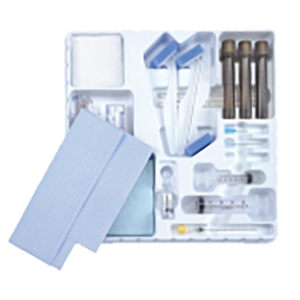
Guerbet Optistar vs Competitors: Why This Dual-Head CT Injector Leads the Market

Written by: Spectrum Xray /
/
November 11, 2025

Key Takeaways

  • The Guerbet OptiVantage DH delivers precise dual contrast–saline injection across diverse CT workflows, supporting consistent enhancement and diagnostic confidence.
  • Advanced bolus control features like OptiBolus® and Timing Bolus® improve angiographic protocols while cutting contrast use by up to 40%.
  • Automation—Auto-fill, Auto purge, Auto home, Patency Check®, and RFID—reduces technologist steps, setup time, and common injection errors.
  • Integrated safety layers, programmable pressure limits, and robust documentation tools strengthen contrast safety, compliance, and traceability.
  • Multi-use operation, faster throughput, contrast savings, and reduced disposables make OptiVantage highly competitive on long-term total cost of ownership.

In busy CT departments, the contrast injector can make or break imaging quality, workflow, and cost control. The Guerbet OptiVantage DH dual head CT injector is built to handle demanding protocols with precise contrast–saline delivery, strong safety features, and automation that lightens the load on technologists. This article explains how the system works, where it shines against rival injectors, and how its efficiency, connectivity, and multi-use design can improve both patient experience and financial performance over the injector’s life cycle.

What Is The Guerbet OptiVantage DH Dual Head CT Injector, and Where Is It Used In CT Imaging?

The Guerbet OptiVantage DH is a dual-head CT contrast power injector that delivers controlled contrast media and saline injections for diagnostic CT imaging. This medical imaging equipment received FDA 510(k) clearance in November 2004 as a Class II device designed specifically for computed tomography applications. Radiology departments use it across diverse CT workflows—from routine scans to complex angiography studies—where precise contrast delivery directly impacts image quality and diagnostic confidence.

How Does The OptiVantage Dual Head System Work In Contrast-Enhanced CT Studies?

The OptiVantage DH uses two electromechanical syringe drive systems housed in a single power head to inject contrast and saline simultaneously. Flow rates adjust from 0.1 to 10.0 mL/sec, allowing technologists to program dual protocols with saline ratios from 10% to 70% in 5% increments. This CT contrast power injector delivers both agents into the patient’s vascular system at controlled rates, enabling consistent enhancement throughout multi-phase imaging protocols.

Which Clinical Workflows And Exam Types Benefit Most From Dual-Head Injection?

High-volume CT departments gain the most from dual-head injection capabilities. The Auto-fill feature eliminates manual syringe loading, while Patency Check® confirms vascular access before contrast delivery begins. Timing Bolus® functionality enables test injections to optimize scan timing—particularly valuable for CT angiography, where bolus arrival timing determines diagnostic quality. These features streamline workflow in trauma, oncology, and cardiovascular imaging, where protocol complexity and patient turnover demand efficiency.

What Core Components And Interfaces Define The OptiVantage Injector Setup?

The power head houses two electromechanical syringe drives that accept 200 mL empty syringes or prefilled units from 50 to 125 mL. An integrated syringe heater maintains contrast at 37°C to reduce viscosity and improve patient comfort. CAN class 4 and relay interfacing come standard on every OptiVantage model, enabling protocol sharing with CT consoles and PACS integration. Optional ceiling mounting saves floor space in compact scan rooms—a practical advantage for facilities retrofitting existing imaging suites.

How Does Dual Head CT Injection Technology Support Modern Imaging Protocols?

Dual-head CT injector systems deliver contrast and saline through independent channels, enabling complex protocols that single-head systems cannot match. This medical imaging equipment architecture supports the advanced timing requirements of contemporary CT angiography, perfusion studies, and multiphase oncology protocols, where precise bolus geometry determines diagnostic success.

How Do Dual Syringes Improve Multiphase And High-Flow CT Angiography Protocols?

The OptiVantage DH’s 0.1–10.0 mL/sec flow range accommodates everything from pediatric studies to high-flow pulmonary angiography. Pressure limits reach 325 psi on standard models and 350 psi on Multi-use configurations—sufficient for challenging venous access and high-viscosity contrast agents. Dual syringe architecture enables programmed contrast-to-saline transitions mid-injection, creating tapered bolus profiles that extend enhancement duration without increasing total contrast volume. This radiology injector comparison advantage matters most in CT angiography, where vessel opacification must persist through lengthy acquisitions.

How Does Precise Timing And Bolus Shaping Impact Image Quality And Diagnostic Confidence?

OptiBolus® technology reduces contrast media consumption by up to 40% while maintaining diagnostic image quality—a significant cost and safety advantage. Timing Bolus® functionality performs test injections to confirm optimal scan delay before the diagnostic run, preventing mistimed acquisitions that waste contrast and radiation dose. Programmable delay times from 0–600 seconds and injection durations from 0–600 seconds give technologists granular control over bolus arrival and enhancement plateau timing. This precision directly translates to diagnostic confidence by ensuring peak enhancement coincides with image acquisition.

How Do Injection Profiles Adapt To Patient Size, Cardiac Output, And Exam Type?

The Guerbet OptiVantage CT injector adjusts saline ratios from 10% to 70% in 5% increments, allowing patient-specific protocol customization based on body habitus and cardiac function. Programmable pressure and flow parameters accommodate physiologic variation—pediatric patients receive gentler injection profiles while bariatric patients may require higher flow rates for adequate enhancement. Clinical studies report 96% patient satisfaction with the OptiVantage system, reflecting both injection comfort and diagnostic success rates across diverse patient populations.

What Makes The Guerbet OptiVantage Dual Head Injector Outperform Its Competitors In CT Imaging Efficiency And Reliability?

The OptiVantage dual-head CT injector distinguishes itself through automated workflow features and multi-use capability that competitors lack. While most CT contrast power injectors focus solely on injection parameters, Guerbet engineered this medical imaging equipment to minimize technologist touchpoints and maximize uptime—critical factors in high-volume radiology departments where every minute of scanner time directly impacts revenue and patient access.

How Does OptiVantage’s Hardware Design Reduce Mechanical Failures And Downtime?

Auto home functionality retracts rams to the starting position automatically after each injection, eliminating manual repositioning steps that slow workflow and create wear patterns. Auto purge removes air from syringes with a single button press—no manual tapping or multiple purge cycles required. The tilt enables completion sequence forces proper syringe orientation before enabling injection, reducing air embolism risk through mechanical safeguards rather than relying solely on technologist vigilance. These design elements reduce both human error and mechanical stress points that cause service calls.

How Do Injection Accuracy And Flow Rate Consistency Compare With Other CT Injectors?

In radiology injector comparison testing, the OptiVantage matches the Bayer MEDRAD Stellant FLEX specification with 0.1–10.0 mL/sec flow rates. The OptiVantage pressure limit reaches 325–350 psi, depending on configuration, slightly exceeding Stellant FLEX’s 325 psi maximum. Recent clinical studies report no adverse events with the OptiVantage system, demonstrating consistent performance across diverse patient populations and protocol demands. Flow rate precision matters most in cardiac CT and perfusion studies, where injection timing variations of even 1-2 seconds compromise diagnostic quality.

How Does OptiVantage Streamline Technologist Workflow And Reduce Exam Room Turnover Time?

The OptiVantage multi-use system operates 64% faster than single-patient use configurations, translating to 35 minutes saved per shift in typical department workflows. Twenty-four-hour multi-use capability allows syringes and day-sets to serve multiple patients without changeover—eliminating the setup time that accumulates across 20-30 daily examinations. This Guerbet OptiVantage CT injector advantage compounds throughout the day: a facility performing 25 CT scans daily recovers nearly three additional scanner hours weekly, enabling 12-15 additional patient slots without extending operating hours or adding staff.

How Does The Guerbet OptiVantage Compare To Competing CT Injectors On Usability And Ergonomics?

Usability separates adequate CT contrast power injectors from exceptional ones in daily clinical practice. The OptiVantage prioritizes technologist efficiency through interface design and automation features that reduce cognitive load during high-volume workflows. While competing medical imaging equipment often requires multi-step procedures for routine tasks, Guerbet engineered single-touch solutions for the most frequent technologist interactions.

What Does The User Interface Look Like For Protocol Setup And Parameter Adjustment?

The OptiVantage features a touchscreen display that eliminates the nested menu structures common in older radiology injector systems. Technologists program delay time, injection time, flow rate, and pressure parameters through direct-access controls visible on a single screen. Protocol libraries store frequently used settings for one-touch recall—particularly valuable during urgent examinations where setup speed matters. The interface follows standard touchscreen conventions familiar to technologists who interact with CT consoles and PACS workstations throughout their shift, minimizing training time for experienced staff.

How Intuitive Is The OptiVantage For Technologists Relative To Other Injector Brands?

Single-button auto purge eliminates the manual air removal process that consumes 30-45 seconds per injection with competing systems. Auto-fill activates syringe loading without requiring technologists to manually draw contrast or manage drip chambers. Auto home returns to the starting position automatically, removing another manual step from the post-injection sequence. This radiology injector comparison reveals a pattern: where competitors require three to five technologist actions per injection cycle, the Guerbet OptiVantage CT injector consolidates these into single-button operations that reduce both time and error opportunity.

How Do Loading, Priming, And Changeover Steps Differ From Competitor Systems?

Optional RFID technology prevents accidental use of empty or previously used syringes while eliminating manual labeling tasks—a safety and efficiency advantage during high-volume periods when staff fatigue increases error risk. The multi-use system design allows 24-hour operation without syringe changes, removing the setup steps that interrupt workflow every 8-12 patients with single-use configurations. Patency Check® confirms vascular access before contrast delivery begins, catching IV infiltrations that would otherwise waste contrast and require patient repositioning. These features combine to reduce total pre-injection time from approximately 90-120 seconds with competitor dual-head CT injectors to under 45 seconds with the OptiVantage system.

How Does The OptiVantage System Address Contrast Safety, Patient Protection, And Regulatory Compliance?

Patient safety distinguishes competent CT contrast power injectors from industry-leading systems. The OptiVantage integrates multiple prevention layers that address the most common contrast delivery complications: extravasation, air embolism, and excessive contrast dosing. Regulatory scrutiny of contrast-related adverse events continues to intensify, making documented safety features essential criteria in radiology injector comparison evaluations.

How Does OptiVantage Help Reduce Contrast Extravasation Risk And Injection Errors?

OptiBolus® technology reduces contrast doses by up to 40% while maintaining diagnostic quality—directly decreasing patient exposure to nephrotoxic agents and allergic reaction risk. Patency Check® confirms proper vascular placement before contrast delivery begins, catching IV infiltrations that cause painful tissue damage and examination delays. Optional RFID technology prevents medication errors by verifying syringe contents and blocking reuse of empty syringes that could introduce air or cross-contamination. The tilt enables sequence mechanically prevents injection until syringes reach proper orientation, eliminating air embolism risk from trapped bubbles. These Guerbet OptiVantage CT injector features create redundant safety barriers where single-point failures cannot compromise patient protection.

How Are Pressure Limits, Alarms, And Failsafes Implemented Compared To Rivals?

The OptiVantage offers programmable pressure limits from 50–325 psi on standard models and up to 350 psi on Multi-use configurations, matching or exceeding the Bayer MEDRAD Stellant FLEX’s 325 psi specification. This dual-head CT injector implements pressure monitoring at the syringe drive level, detecting resistance increases that signal IV infiltration before tissue damage occurs. Auto purge and tilt enable provide mechanical failsafes that function independently of software—critical backup systems when electronic monitors fail or technologists override alarms during urgent examinations. Competitor medical imaging equipment typically implements either mechanical or electronic safety systems; the OptiVantage employs both simultaneously.

How Does The Injector Support Documentation For Dosing, Contrast Usage, And Audit Trails?

CAN class 4 and relay interfacing enable bidirectional data exchange with CT systems, automatically logging injection parameters to PACS and RIS records without manual documentation. This connectivity creates permanent audit trails for contrast volume, flow rate, and pressure data—essential evidence during adverse event investigations and regulatory inspections. A March 2025 study by Tirri et al. on OptiVantage safety and performance was accepted for publication, providing peer-reviewed validation that strengthens documentation during hospital credentialing reviews and malpractice defense. Electronic documentation eliminates the transcription errors inherent in manual logging systems used with older radiology equipment.

How Well Does The Guerbet OptiVantage Integrate With CT Scanners, RIS, And PACS Compared To Competitors?

Integration separates isolated medical imaging equipment from true enterprise systems. The OptiVantage functions as a networked device rather than a standalone injector, exchanging protocol data with CT consoles and documentation systems that track patient safety metrics and departmental efficiency. Poor integration forces technologists into manual workflows that introduce transcription errors and prevent the data collection necessary for continuous quality improvement.

What Connectivity Options Does OptiVantage Offer For Protocol Sharing And Data Exchange?

CAN class 4 and relay interfacing come standard on every OptiVantage model—not as optional upgrades that fragment the installed base. This CT contrast power injector communicates bidirectionally with CT scanners, receiving scan parameters that automatically populate injection protocols and returning contrast delivery data for permanent PACS archiving. Protocol libraries synchronize across multiple injector units, ensuring consistent technique when patients move between scan rooms or shifts change. Competitor dual-head CT injectors often require proprietary interfaces that limit compatibility with multi-vendor imaging fleets, creating integration silos that complicate departmental standardization.

How Does Integration With CT Consoles And Timing Signals Improve Synchronization?

Timing Bolus® coordinates directly with CT scanner acquisition triggers, eliminating the manual communication between the control room and scan room that delays examinations and introduces timing errors. The Guerbet OptiVantage CT injector receives scan protocol parameters—including slice thickness, reconstruction algorithms, and acquisition duration—that inform optimal contrast delivery timing. Delay programming from 0–600 seconds allows precise synchronization even for extended preparation periods required in uncooperative patients or complex positioning scenarios. This closed-loop coordination ensures peak enhancement coincides with diagnostic acquisition regardless of protocol complexity or patient variability.

How Can OptiVantage Data Support Quality Metrics, Benchmarking, And Protocol Optimization?

The 96% patient satisfaction rate documented in clinical studies provides a measurable quality outcome that departmental leadership can track longitudinally and compare against historical performance. OptiBolus® contrast reduction data—demonstrating up to 40% dose decrease—creates quantifiable efficiency metrics for cost analysis and contrast stewardship programs demanded by hospital formulary committees. Workflow time savings of 35 minutes per shift translate directly to scanner utilization improvements that radiology administrators benchmark against industry standards. This radiology injector comparison advantage extends beyond clinical performance: the OptiVantage generates the operational intelligence that modern imaging departments require for evidence-based process improvement and value demonstration to hospital executives.

How Does Total Cost Of Ownership For OptiVantage Compare With Other Dual-Head CT Injectors?

Total cost of ownership extends far beyond capital equipment pricing. The OptiVantage dual-head CT injector generates financial returns through three mechanisms that competing medical imaging equipment cannot match: accelerated patient throughput, reduced contrast consumption, and decreased disposable waste. Radiology administrators evaluating CT contrast power injector purchases must quantify these operational savings against multi-year timelines to understand the true economic impact.

How Do Capital Costs, Disposables, And Service Agreements Stack Up Against Rivals?

The OptiVantage uses standard disposables, including 200 mL CT syringes (P/N 600096S), coiled extension tubing rated to 400 psi (P/N 601195, 60″L), and tubing with male luer adapters (P/N 601227, 48″L). Actual capital costs and service agreement pricing require a direct vendor quote, as manufacturers do not publish list prices publicly. However, radiology injector comparison evaluations should weigh disposable costs per examination against equipment purchase price—high-volume departments performing 25+ CT scans daily accumulate disposable expenses exceeding capital depreciation within 18-24 months. The Guerbet OptiVantage CT injector’s multi-use capability fundamentally changes this calculation by reducing per-examination consumable costs.

How Does Reduced Downtime And Faster Throughput Translate Into Financial ROI?

The OptiVantage multi-use system operates 64% faster than single-patient configurations, directly increasing daily patient capacity without extending technologist hours or adding scanner shifts. The 35 minutes saved per shift compounds to 2.9 hours weekly and exceeds 150 hours annually per system—equivalent to approximately 300-375 additional patient examinations yearly at standard 20-25 minute CT slot allocations. For facilities billing $500-800 per CT examination, this throughput improvement generates $150,000-300,000 in additional annual revenue from existing infrastructure. Multi-use capability eliminates the 3-5 minute setup delays that occur every 8-12 patients with single-use systems, recovering scanner time that competitors waste on disposable changeovers.

How Do Contrast Savings And Waste Reduction Impact Long-Term Operating Costs?

OptiBolus® technology reduces contrast consumption by up to 40% without compromising diagnostic quality. A department performing 6,000 contrast-enhanced CT examinations annually using 100 mL average contrast volume per study consumes 600 liters total. Forty percent reduction saves 240 liters annually—worth $36,000-48,000 at typical $150-200 per liter institutional pricing. The multi-use system reduces disposable waste by allowing 24-hour operation from single syringe sets, cutting disposal costs and environmental impact. Reduced setup time lowers labor costs per examination by 2-3 minutes of technologist time, adding $8-12 per scan in labor savings at typical radiology technologist hourly rates. These operational advantages distinguish the OptiVantage in total cost analysis against competitor dual-head CT injectors that match clinical performance but lack workflow optimization.

How Do Training, Support, And Service From Guerbet Influence Injector Performance Over Time?

Equipment performance degrades without competent operation and maintenance support. The OptiVantage dual head CT injector maintains clinical and operational advantages only when technologists exploit its full feature set and field service responds quickly to mechanical issues. Guerbet’s support infrastructure determines whether this CT contrast power injector delivers projected ROI across its 7-10 year lifecycle or becomes an underutilized capital expense generating service complaints.

What Onboarding And Staff Training Options Does Guerbet Provide For CT Teams?

The OptiVantage’s intuitive features—auto-fill, auto purge, and auto home—reduce initial training complexity compared to competitor medical imaging equipment requiring multi-step manual procedures. Timing Bolus® and Patency Check® function as built-in educational tools that guide technologists toward optimal technique rather than relying solely on classroom instruction. New staff achieve competency faster when equipment design reinforces proper workflow through automated safeguards. This Guerbet OptiVantage CT injector advantage matters most during staffing transitions when experienced technologists train replacements while maintaining full clinical schedules—simplified operation reduces the supervision time required before new hires work independently.

How Responsive Are Technical Support And Field Service Compared With Competitors?

FDA 510(k) clearance dating to 2004 demonstrates two decades of regulatory compliance and established support infrastructure—longevity that newer market entrants cannot match. Guerbet updated marketing materials as recently as September 2025, confirming active product support rather than end-of-life management. Long market presence correlates with parts availability and field service expertise: technicians accumulate troubleshooting experience with mature products, which reduces mean time to repair. Radiology injector comparison evaluations should verify manufacturer commitment through support infrastructure longevity rather than accepting vendor assurances alone—companies exit product lines regularly, leaving orphaned equipment without parts or service coverage.

How Can Ongoing Education And Protocol Review Help Sites Get More From OptiVantage?

OptiBolus® technology requires protocol optimization education to achieve maximum 40% contrast reduction—sites simply enabling the feature without technique refinement realize only 15-20% savings. Clinical data from 2025 studies provides an evidence base for protocol adjustments that balance contrast reduction against diagnostic confidence across varying patient populations and examination types. The 96% patient satisfaction metric enables outcome-based quality improvement initiatives where departments correlate injection parameters with patient comfort scores and diagnostic adequacy rates. Guerbet application specialists should conduct annual protocol reviews comparing site performance against peer benchmarks, identifying opportunities to improve efficiency without compromising quality. This consultative support model distinguishes manufacturers who view equipment sales as ongoing partnerships from those treating delivery as transaction completion.

How Spectrum Medical Imaging Co. Supports a Smarter CT Suite 

We at Spectrum Medical Imaging Co. know that choosing the right injector is only part of building a high-performing CT service. To get full value from platforms like the Guerbet OptiVantage DH, you need spaces, workflows, and support that keep patients calm and staff focused. We help design imaging environments that feel organized and professional while aligning with your technology strategy. Talk with us at Spectrum Medical Imaging Co. to plan upgrades that optimize both CT performance and patient experience.

Latest Articles

Edit Post Site Icon Template Library Edit with Elementor Gadolinium-Based Contrast Agents Explained · Post Ctrl+K Save draft Publish Gadolinium-Based Contrast Agents Explained Gadolinium contrast agents represent a critical component of modern diagnostic imaging for healthcare facilities managing high-volume MRI operations. These pharmaceutical compounds enhance tissue differentiation by altering magnetic relaxation times, enabling radiologists to identify pathologies invisible on unenhanced scans. The global market reached $1.57 billion in 2025, with annual administrations estimated between 12 and 18 million procedures in the United States alone. Understanding GBCA selection directly impacts patient safety protocols, operational costs, and diagnostic accuracy across hospital systems and outpatient imaging centers. Recent regulatory guidance has shifted clinical practice toward macrocyclic agents due to superior stability profiles, while emerging low-dose formulations promise reduced gadolinium exposure without compromising image quality. This guide provides decision-makers with evidence-based analysis of chemical structures, safety comparisons, pricing tiers, and regulatory developments shaping GBCA procurement strategies. Key Takeaways Macrocyclic GBCAs provide superior stability and minimal retention compared to linear agents Neurological disorders represent 35% of the GBCA market share, followed by cardiovascular imaging at 28% Bayer AG leads the market with 28% share, followed by Bracco Imaging at 24% Mid-range tier agents cost $85-100 per dose, while premium agents range from $130-140 per dose Gadopiclenol delivers equivalent image quality at half the standard dose (0.05 mmol/kg) What Are Gadolinium-Based Contrast Agents? Gadolinium-based contrast agents are pharmaceutical compounds containing the paramagnetic metal gadolinium chelated within organic ligand structures. These agents improve MRI diagnostic accuracy by shortening T1 and T2 relaxation times in tissues where they accumulate. The chelation structure prevents free gadolinium ions from causing toxicity while maintaining the metal's magnetic properties essential for MRI enhancement. Chemical stability depends on ligand structure, binding strength, and ionic characteristics of the compound. Linear agents feature open-chain flexible ligands with weaker binding, while macrocyclic agents use cage-like rigid structures providing stronger gadolinium retention. This structural difference directly influences safety profiles, tissue retention rates, and regulatory classifications guiding clinical use. How Do GBCAs Enhance MRI Imaging? GBCAs enhance MRI imaging by shortening T1 relaxation times in tissues, creating brighter signal intensity on T1-weighted sequences. The paramagnetic properties of gadolinium create local magnetic field disturbances that accelerate hydrogen proton realignment after radiofrequency pulse excitation. This acceleration produces a stronger contrast between normal and pathological tissues, particularly in highly vascularized lesions. The enhancement effect depends on gadolinium concentration, tissue perfusion rates, and agent relaxivity characteristics. Ultra-high relaxivity agents provide 2-3 times greater signal enhancement per molecule compared to standard formulations, enabling reduced dose administration. Neuroimaging contrast applications particularly benefit from this improved tissue differentiation, revealing subtle abnormalities in brain parenchyma and vascular structures. What Are the Main Chemical Structures of GBCAs? Linear agents have open-chain flexible ligand structures that allow greater molecular movement and weaker gadolinium binding. Macrocyclic agents have cage-like, rigid ligand structures that trap gadolinium ions within stable molecular frameworks. This structural difference determines stability profiles, with macrocyclic agents demonstrating significantly lower dissociation rates in physiological conditions. Ionic agents have higher osmolality and higher stability compared to nonionic formulations. Nonionic agents have lower osmolality and more comfortable injection profiles, reducing adverse reactions at the injection site. Ultra-high relaxivity agents provide 2-3 times higher relaxivity than standard formulations, enabling diagnostic image quality at half the conventional dose. Why Are GBCAs Used in Clinical Practice? GBCAs are used in clinical practice to detect pathologies invisible on unenhanced MRI scans, including tumors, inflammation, and vascular abnormalities. These agents enable radiologists to characterize lesion margins, assess tissue perfusion, and differentiate benign from malignant processes. Approximately 30-45% of the 40 million annual MRI procedures in the United States utilize contrast enhancement for improved diagnostic accuracy. The clinical decision to administer contrast depends on the anatomical region, suspected pathology, and patient risk factors. High-risk populations, including those with renal impairment, require careful agent selection to minimize adverse outcomes. The critical role of CT and MRI contrast media in patient diagnosis extends across multiple specialties, from oncology to neurology. Which Medical Conditions Benefit Most from GBCAs? Neurological disorders represent 35% of the GBCA market share, driven by brain tumor imaging, stroke evaluation, and multiple sclerosis monitoring. Cardiovascular imaging accounts for 28% market share, including myocardial perfusion studies and coronary artery assessments. Cancer imaging represents 18% market share, with applications in tumor staging, treatment response evaluation, and metastasis detection. Musculoskeletal disorders comprise 10% market share, focused on joint abnormalities, soft tissue masses, and spinal pathology. Abdominal imaging accounts for 6% market share, primarily for liver lesion characterization and pancreatic disease evaluation. The remaining 3% includes specialized applications across various organ systems requiring enhanced tissue differentiation. How Are GBCAs Utilized Among Different Patient Groups? Annual MRI procedures in the United States reach approximately 40 million examinations across all patient populations. The percentage using GBCAs ranges from 30-45%, depending on clinical indication and institutional protocols. Estimated annual GBCA administrations total 12-18 million doses, representing substantial pharmaceutical utilization within diagnostic imaging operations. Geriatric populations demonstrate the highest utilization rates due to increased chronic disease prevalence and oncologic surveillance needs. Pediatric applications are increasing, with a strong preference for macrocyclic agents to minimize long-term retention risks. Safety-first approaches to managing contrast allergies in high-risk patients require specialized protocols for those with previous adverse reactions or compromised renal function. What Are the Key Differences Between Linear and Macrocyclic GBCAs? Linear and macrocyclic GBCAs differ fundamentally in molecular structure, binding stability, and safety profiles during clinical use. Linear agents feature open-chain ligands with moderate binding strength, allowing greater gadolinium dissociation in physiological environments. Macrocyclic agents employ rigid cage-like structures that trap gadolinium ions within stable molecular frameworks, preventing release. These structural differences translate into distinct clinical safety profiles and regulatory classifications guiding agent selection. Market trends show declining linear agent use as institutions transition toward macrocyclic formulations to reduce liability exposure. The role of iodine-based and gadolinium-based agents in diagnostics requires understanding both agent classes for comprehensive imaging protocols. How Do Stability and Safety Profiles Compare? Linear agents have weak to moderate binding strength, while macrocyclic agents have very strong binding strength that resists dissociation. Linear agents have lower stability in physiological conditions versus macrocyclic agents, which maintain high stability across temperature and pH ranges. Linear agents carry high NSF risk (Group I classification) while macrocyclic agents demonstrate very low NSF risk (Group II classification). Linear agents show high tissue retention patterns, including brain deposition, while macrocyclic agents exhibit minimal retention with faster clearance. Linear agents are declining or phasing out of institutional formularies versus macrocyclic agents, which are dominant and growing. Gadolinium MRI contrast safety for patients with kidney disease requires exclusive use of macrocyclic formulations in renal-impaired populations. What Are Examples of Common Linear and Macrocyclic Agents? Among linear agents, Magnevist (gadopentetate dimeglumine) by Bayer carries a Group I NSF classification under ACR guidelines—the highest-risk category—and is contraindicated for patients with renal impairment. MultiHance (gadobenate dimeglumine) by Bracco is an ionic linear agent with higher relaxivity than standard linear formulations; however, like Magnevist, it is subject to institutional phase-out as facilities transition to macrocyclic protocols. Macrocyclic agents include Gadavist (gadobutrol) by Bayer, classified as Group II under ACR guidelines and used widely across CNS imaging. Dotarem (gadoterate meglumine) by Guerbet maintains an established Group II safety profile, frequently selected for patients with borderline renal function. ProHance (gadoteridol) by Bracco is used across CNS, spine, and body MRI applications with similar safety characteristics. Elucirem (gadopiclenol) by Guerbet features high relaxivity, delivering equivalent diagnostic image quality at a lower administered dose of 0.05 mmol/kg. Vueway (gadopiclenol) by Bracco represents a newer macrocyclic GBCA with provisional Group III status pending long-term real-world safety data. Bayer brands include both Gadavist (gadobutrol) for general imaging and Eovist (gadoxetate) for specialized liver applications. How Do Pricing and Market Competition Shape GBCA Use? Pricing and market competition directly influence institutional formulary decisions, affecting which agents remain available for routine clinical use. Mid-range tier agents priced at $85-100 per dose represent the current standard of care across most healthcare systems. Premium tier agents commanding $130-140 per dose target specialized applications, including low-dose protocols and organ-specific imaging. Budget constraints force procurement teams to balance cost containment with safety profile preferences and regulatory compliance requirements. Single-source vendor consolidation through suppliers like Spectrum Medical Imaging Co. can reduce administrative burden while ensuring competitive pricing. Comparative analyses such as Gadobutrol vs Dotarem help decision-makers evaluate equivalent agents within similar price tiers. Which Companies Lead the GBCA Market? Bayer AG holds 28% market share, leading through Gadavist and Eovist brands with strong institutional penetration. Bracco Imaging commands 24% market share, competing through ProHance and the recently launched Vueway formulation. GE Healthcare maintains 22% market share despite regulatory challenges affecting linear agent portfolios. Guerbet controls 16% market share, driven by Dotarem's established safety record and Elucirem's innovative low-dose profile. Lantheus Medical Imaging holds 6% market share, focusing on specialized cardiovascular imaging applications. The remaining 4% comprises smaller manufacturers and regional distributors serving niche market segments. How Are Agents Categorized by Price and Application? Mid-range tier agents include ProHance (gadoteridol), Gadavist (gadobutrol), and Dotarem (gadoterate), priced at $85-100 per dose. These formulations represent the standard of care for routine MRI enhancement across most clinical indications. Gadobutrol from Fresenius-Kabi offers a generic alternative within this mid-range category, providing comparable clinical performance for facilities managing formulary budgets without sacrificing macrocyclic safety profiles. Budget tier pricing at $45-50 per dose applies to legacy linear agents declining in use due to safety concerns. Premium tier agents include Elucirem/Vueway (gadopiclenol) and Eovist (gadoxetate), commanding $130-140+ per dose for specialized applications. The premium tier targets low-dose protocols, organ-specific imaging, and high-risk populations requiring maximum safety margins. Dotarem's specific advantages in improving MRI imaging outcomes justify premium pricing in certain clinical contexts despite higher per-dose costs. What Factors Influence Radiologists' Choices of GBCAs? Radiologists' GBCA selection depends on multiple factors, including patient safety profiles, diagnostic image quality requirements, and institutional availability constraints. Patient safety ranks as the top priority for 93% of radiologists surveyed, reflecting increased awareness of retention and NSF risks. Image quality considerations influence 92% of radiologists' decisions, as diagnostic confidence depends on adequate tissue enhancement. Supply availability concerns affect 87% of radiologists, particularly following manufacturer shortages and distribution disruptions in recent years. Cost effectiveness influences 72% of radiologists' decisions, though safety considerations typically override price concerns for high-risk populations. Gadolinium retention concerns affect 86% of radiologists, driving preference shifts toward macrocyclic agents and low-dose formulations. How Important Are Safety and Image Quality? Patient safety is prioritized by 93% of radiologists when selecting contrast agents for clinical use. Image quality ranks nearly equal at 92%, as inadequate enhancement compromises diagnostic accuracy and may require repeat examinations. Supply availability concerns 87% of radiologists, reflecting recent market disruptions affecting workflow continuity. Cost effectiveness influences 72% of radiologists' decisions, though typically as a secondary consideration after safety and quality. Gadolinium retention concerns affect 86% of radiologists, particularly when imaging pediatric patients or those requiring serial examinations. Considerations such as whether contrast media should be warmed before injection demonstrate attention to patient comfort alongside safety priorities. What Are Radiologists' Views on Low-Dose and Environmental Concerns? Reduced gadolinium dose interests 99% of radiologists surveyed, with 60% expressing very strong interest in low-dose formulations. Somewhat interested radiologists comprise 39%, indicating near-universal support for dose reduction strategies when diagnostic quality remains equivalent. Supply availability concerns persist among 55% of radiologists, driving dual-source procurement strategies at many institutions. NSF risk concerns affect 28% of radiologists, concentrated among those serving renal-impaired populations requiring specialized protocols. Environmental concerns regarding gadolinium contamination influence 35% of radiologists, though this remains secondary to patient-focused safety priorities. Cost concerns affect 42% of radiologists, particularly in resource-constrained settings, balancing quality with budgetary limitations. How Are Regulatory Bodies Guiding GBCA Usage? Regulatory bodies, including the FDA and European Medicines Agency, have issued specific guidance restricting linear agent use in high-risk populations. These regulations mandate macrocyclic agent preference for patients with renal impairment, pregnant women, and pediatric populations. Mandatory medication guides and enhanced pharmacovigilance requirements now apply to all GBCA formulations regardless of chemical structure. Recent approvals demonstrate regulatory support for low-dose innovations that reduce total gadolinium exposure while maintaining diagnostic accuracy. Institutions must implement policies aligning with ACR and ESUR guidelines to minimize liability exposure and ensure regulatory compliance. Regulatory oversight continues evolving as long-term retention data accumulates across different agent classes and patient populations. What Are Recent Approvals and Restrictions? February 2026 brought expanded gadopiclenol approval for neonates and infants under 2 years, enabling low-dose protocols in vulnerable pediatric populations. November 2025 marked Bracco's delivery of 3 million VUEWAY doses, demonstrating a successful commercial launch and market acceptance. August 2025 saw Bayer's Gadoquatrane NDA accepted for FDA review, potentially introducing another ultra-low-dose option. October 2023 brought European Commission approval for Elucirem (gadopiclenol), establishing a regulatory precedent for high-relaxivity low-dose formulations. FDA warnings on gadolinium retention in brain tissue have driven institutional policy changes favoring macrocyclic agents. These regulatory actions reflect growing emphasis on minimizing cumulative gadolinium exposure across patient lifetimes. How Do Guidelines Affect High-Risk Populations? Linear agents are contraindicated for patients with renal impairment due to elevated NSF risk profiles. Group II macrocyclic agents are exclusively recommended for patients with renal impairment, reflecting superior safety characteristics. Macrocyclic agents are strongly preferred for pregnant women to minimize fetal gadolinium exposure during gestation. Mandatory medication guides are required for all GBCA formulations to inform patients of potential retention risks. Enhanced pharmacovigilance programs monitor long-term outcomes across different agent classes and patient populations. Renal safety protocols require pre-procedure creatinine assessment and eGFR calculation to identify high-risk patients requiring specialized agent selection. What Emerging Technologies Are Impacting GBCA Development? Emerging technologies focus on reducing gadolinium dose requirements through improved relaxivity characteristics and alternative paramagnetic metals. Ultra-high relaxivity formulations enable equivalent diagnostic quality at half the standard dose, reducing total gadolinium burden. Novel chemical structures provide enhanced tissue specificity, improving lesion detection while minimizing background enhancement. Artificial intelligence integration optimizes contrast timing and dose calculations based on patient-specific factors, including body weight and renal function. These technological advances address radiologists' demand for safer, more efficient contrast protocols without compromising diagnostic accuracy. Market growth projections reaching $10.8 billion by 2030 reflect continued innovation investment across major manufacturers. Which Innovations Aim to Reduce Gadolinium Dose? Gadoquatrane by Bayer is currently under FDA review as a potential ultra-low-dose macrocyclic formulation. This compound targets 50% dose reduction compared to standard agents while maintaining equivalent diagnostic image quality. Early clinical data demonstrate non-inferior performance at 0.05 mmol/kg versus conventional 0.1 mmol/kg dosing. Gadopiclenol (marketed as Elucirem and Vueway) already provides 2-3 times higher relaxivity than standard formulations, enabling half-dose protocols. These high-relaxivity agents address the 99% of radiologists interested in reduced gadolinium dose options. Clinical adoption depends on regulatory approvals, institutional formulary decisions, and long-term safety data from post-market surveillance programs. Are There Alternatives to Gadolinium Agents? Manganese-based agents are currently in GE Healthcare Phase I trials as of 2024, representing the first major alternative to gadolinium. These compounds utilize manganese's paramagnetic properties to achieve MRI enhancement without gadolinium exposure. Early preclinical data suggest comparable relaxivity characteristics with potentially different biodistribution and elimination pathways. Iron oxide nanoparticles represent another research direction, though clinical development remains in early stages. These alternatives face substantial regulatory hurdles requiring comprehensive safety and efficacy data before clinical approval. Success would fundamentally reshape the contrast agent market by eliminating gadolinium retention concerns entirely. The Current Landscape and Future Outlook for Gadolinium-Based Contrast Agents The global CT and MRI contrast agents market reached $6.22 billion USD in 2024, with MRI-specific agents representing $1.57-1.69 billion USD. Market projections show a CAGR of 7.81% from 2025-2030, reaching $10.8 billion USD by 2030. North America dominates with $2.4 billion, representing 34% of the global market, driven by advanced imaging infrastructure and high procedure volumes. Macrocyclic agent dominance continues growing as institutions phase out linear formulations in response to regulatory guidance and retention concerns. Low-dose innovations, including gadopiclenol, represent the next evolution, addressing radiologists' demand for reduced gadolinium exposure without compromising diagnostic accuracy. Market competition among Bayer, Bracco, Guerbet, and GE Healthcare drives continued innovation investment in safety and efficacy improvements. Healthcare facilities must balance safety priorities, cost constraints, and supply chain reliability when establishing GBCA procurement strategies. Dual-sourcing arrangements with reliable suppliers like Spectrum Medical Imaging Co. help ensure uninterrupted contrast availability during manufacturer shortages. Institutions implementing macrocyclic-only formularies position themselves favorably in an increasingly safety-conscious regulatory environment while maintaining diagnostic capabilities across all clinical indications. Source GBCAs with Confidence - Partner with Spectrum Medical Imaging Co. With over 30 years of experience supplying hospitals, imaging centers, and outpatient facilities across the West Coast, Spectrum Medical Imaging Co. delivers the right GBCAs — from macrocyclic agents like Gadavist, Dotarem, ProHance, and Elucirem to specialized formulations like Eovist — at competitive pricing your budget can rely on. We combine guaranteed supply chain reliability with expert guidance on formulary transitions, helping your team align contrast procurement with current ACR safety guidelines and regulatory requirements. Contact us to speak with a contrast media specialist and build a GBCA procurement strategy that keeps your imaging operations running without interruption. Move upMove downToggle panel: Yoast SEO SEO Readability Schema Social Focus keyphraseHelp on choosing the perfect focus keyphrase(Opens in a new browser tab) CT and MRI contrast agents Get related keyphrases(Opens in a new browser tab) Search appearance Determine how your post should look in the search results. Google preview Mobile Google preview: Switch to desktop preview. Currently showing mobile preview. Desktop Url preview: Spectrum Medical X-Ray Co spectrumxray.com SEO title preview: Gadolinium-Based Contrast Agents: Uses, Safety Guide Meta description preview: Apr 8, 2026 - Gadolinium-based contrast agents enhance MRI imaging through specific magnetic properties. Learn about GBCA types, safety profiles, pricing, and ... SEO title Insert variable Generate SEO title Gadolinium-Based Contrast Agents: Uses, Safety Guide Slug gadolinium-based-contrast-agents-explained Meta description Insert variable Generate meta description Gadolinium-based contrast agents enhance MRI imaging through specific magnetic properties. Learn about GBCA types, safety profiles, pricing, and regulatory guidance for clinical decision-making. SEO analysisOK CT and MRI contrast agents Add related keyphrase Premium Track SEO performance Content blocks New Internal linking suggestions Premium Cornerstone content Advanced Insights Move upMove downToggle panel: Glossary Post Override Disable Glossary for this post checkedunchecked Select specific glossary categories checkedunchecked Brands & Partnerships checkedunchecked Clinical & Application Training checkedunchecked Contrast Media & Consumables checkedunchecked Customer Support & Technical Expertise checkedunchecked Imaging Equipment & Technology checkedunchecked Key Decision Makers checkedunchecked Medical Equipment Maintenance & Services checkedunchecked Procurement & Logistics checkedunchecked Project Management & Planning checkedunchecked Regulatory Compliance & Safety By selecting one or more categories, only terms belonging to these will be linked Move upMove downToggle panel: Blog Post Block Gadolinium-Based Contrast Agents Explained The current image has no alternative text. The file name is: Gadolinium-Based-Contrast-Agents-Explained.jpg Replace Remove Generate with Elementor AI Add an excerpt… 2,827 words, 15 minutes read time. Last edited a second ago. Status Draft Publish April 8, 2026 9:07 am UTC+0 Slug gadolinium-based-contrast-agents-explained Author (No author) Template Default template Revisions 2 Move to trash Yoast SEO SEO analysis: OK Readability analysis: Good Improve your post with Yoast SEO Categories Search Categories Search Categories Blog Contrast Injector Repair and Maintenance Contrast Injectors Contrast Media Imaging Equipment Imaging Equipment Repair and Maintenance Radiation Shielding Services Radiographic Room and Design Planning Add Category Tags Add Tag CT and MRI contrast agents (1 of 1)CT and MRI contrast agents Separate with commas or the Enter key. Most Used imaging equipmentcontrast media injectorContrast mediamedical imaging equipment and agents distributorContrast Power InjectorsVieworks DR panels Los Angelescontrast injector serviceDR panelsmedical imaging equipmentdigital radiography (DR) panels Move upMove downToggle panel: LLMS Amplifier Exclude from llms.txt files When checked, this content will not appear in any generated llms.txt or llms-full.txt files, regardless of SEO plugin settings. Open publish panel Post NotificationsDraft saved. Close dialog Featured image Upload filesStock PhotosMedia Library Expand Details Filter mediaFilter by type Images Filter by date All dates Smush: All images Search media Media list Showing 1 of 1 media items Load more Attachment Details Gadolinium-Based-Contrast-Agents-Explained.jpg April 13, 2026 38 KB 1280 by 720 pixels Edit with Elementor AI Edit Image Delete permanently Alt Text Learn how to describe the purpose of the image(opens in a new tab). Leave empty if the image is purely decorative.Title Gadolinium-Based Contrast Agents Explained Caption Description File URL: https://spectrumxray.com/wp-content/uploads/2026/04/Gadolinium-Based-Contrast-Agents-Explained.jpg Copy URL to clipboard Smush 7 images reduced by 41.3 KB (14.5%) Main Image size: 38.29 KB Restore original Required fields are marked * Regenerate Thumbnails Regenerate Thumbnails Selected media actionsSet featured image No file chosen Select Files
Blog
Spectrum Xray

Gadolinium-Based Contrast Agents Explained

Gadolinium contrast agents represent a critical component of modern diagnostic imaging for healthcare facilities managing high-volume MRI operations. These pharmaceutical compounds enhance tissue differentiation by

Read More »