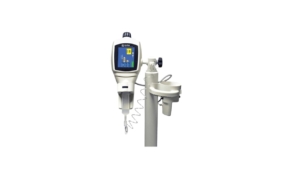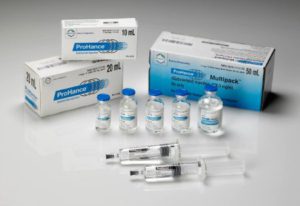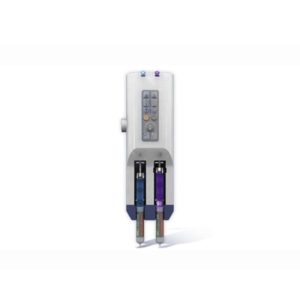
Contrast injector syringes and tubing cost more or less depending on the technology built into them, ranging from basic generic syringes priced under a dollar per unit to advanced syringeless cassette systems built for high-volume imaging centers. Radiology departments order these injector consumables on a recurring basis, so even small differences in price per unit compound into a meaningful line item over a full year. Facilities weighing contrast injector syringes and tubing cost against clinical needs get more value by looking past the sticker price toward preparation time, contamination risk, and waste.
Below, you’ll find a breakdown of pricing tiers, the consumable types driving those prices, and the procurement factors, like bulk purchasing and total cost of ownership, that shape what your department actually pays over time.
Key Takeaways
- Contrast injector syringes and tubing cost ranges from budget generic units to premium syringeless cassettes, so matching the tier to your procedure volume is the first step in controlling spend.
- Prepackaged ready-to-administer (RTA) kits carry a higher unit price than separate components but cut manual prep steps and contamination risk.
- Syringeless cassette systems reduce contrast wastage and shorten prep time, which can offset the higher upfront hardware investment at high-volume imaging centers.
- Bulk purchases and volume-based agreements can lower the cost per unit, but facilities need adequate storage space and awareness of shelf life to avoid waste.
- Total cost of ownership, not the unit price alone, should guide procurement decisions, since labor, contrast waste, and error-related costs accumulate over time.
Below, you’ll find a breakdown of pricing tiers, the consumable types driving those prices, and the procurement factors, like bulk purchasing and total cost of ownership, that shape what your department actually pays over time.
Contrast Injector Syringes and Tubing Cost Varies by Consumable Type and Use Case
Contrast injector syringes deliver precise volumes of contrast media during CT and MRI procedures to produce clear diagnostic images. These devices connect to power injectors that control flow rate and injection pressure for CT angiography, MRI, and other contrast-enhanced examinations.
Types of Contrast Injector Syringes
Single-head injectors load one syringe at a time for straightforward contrast delivery. Dual-head systems load contrast media in one syringe and saline flush in another, supporting a complete dose in a single setup. Syringe construction typically uses clear medical-grade polycarbonate engineered to hold pressure without deforming, with graduated volume markings, luer-lock tips, and fluid-detection indicators as standard features.
High-Pressure Tubing and System Compatibility
High-pressure tubing connects syringes to the patient access point while holding up under injection force; angiography procedures alone can require tubing rated up to 1200 psi. A tubing or syringe failure under pressure creates a patient safety incident and a costly workflow disruption, which is why high-pressure tubing quality matters as much as price. Injector consumables also need to stay compatible with the scanner protocols and manufacturer specifications your imaging systems run, since CT and MRI injector compatibility issues can stall a procedure before it starts.
Contrast Injector Syringes and Tubing Cost Breaks Down Into Three Pricing Tiers
The injector consumables market splits into three general pricing tiers, reflecting material quality, feature set, and how much manual assembly a technologist has to do at the bedside.
| Pricing Tier | Typical Cost | What You Get |
| Budget and generic | $0.85–$1.20 per syringe | Basic functionality, universal compatibility, manual filling |
| Mid-range and premium | $3.00–$5.50 per syringe; $14.00–$35.00 per RTA kit | Enhanced pressure ratings, sterile prepackaged components, contrast warming or air detection on premium kits |
| Ultra-premium and syringeless | $30.00–$75.00 per cassette | Multi-patient capability, minimal waste, direct vial connection |
Budget generic syringes suit facilities with limited capital budgets that prioritize fundamental contrast delivery over workflow automation, though price-focused purchasing calls for careful quality checks to avoid pressure-tolerance failures. Mid-range and premium products balance quality assurance with reasonable per-procedure cost for general diagnostic imaging. Facilities comparing the cost per unit across suppliers should look beyond the sticker prices listed by online retailers, since bundled technical support, dependable lead times, and manufacturer-backed quality often matter more than the lowest listed price. Ultra-premium syringeless cassettes require the largest capital investment but deliver the most operational efficiency for imaging centers running high procedure volumes; the tradeoff is that proprietary designs can limit purchasing flexibility and create vendor dependency.
Injector Consumable Categories Address Different Workflow Needs
Three consumable categories dominate the market, and each fits a different combination of procedure volume, staffing model, and risk tolerance.
| Consumable Type | Ideal For | Key Tradeoff |
| Single-head syringes | Budget-constrained facilities, lower procedure volumes | Lower cost, more manual steps |
| Dual-head syringes | Facilities standardizing workflow across staff | Faster setup, higher per-unit cost |
| Prepackaged RTA kits | Facilities prioritizing contamination control | Higher unit cost, fewer preparation errors |
| Syringeless cassettes | High-volume centers focused on waste reduction | Highest upfront cost, lowest ongoing waste |
Single-Head and Dual-Head Syringes
Dual-head injector kits have become the more common choice industry-wide, driven by workflow standardization and reduced administration errors, while single-head systems remain concentrated in budget-constrained facilities and specific procedural applications. Dual-syringe setups also generate more contrast wastage per exam than newer formats, since unused contrast in a partially filled syringe typically cannot be reused.
Prepackaged Ready-to-Administer Kits
Ready-to-administer kits combine a contrast syringe, saline syringe, high-pressure tubing, and connectors in a single sterile package. These integrated kits carry a higher initial unit cost than separately sourced components but deliver value through fewer preparation errors and less staff time spent assembling components. The guide to contrast media injector consumables walks through how RTA systems fit into a broader supply strategy.
Syringeless Injector Cassettes
Syringeless systems use multi-use cassettes that connect directly to contrast media vials, eliminating individual syringes altogether. Market data consistently shows this as the fastest-growing consumable segment, concentrated at high-volume imaging centers where waste reduction and faster turnaround justify the equipment investment. The tradeoff is a larger upfront hardware cost and proprietary consumable requirements that limit which supplier a facility can use going forward.
Regional and Facility Factors Shape Consumable Choices
Facility size, patient volume, and geography all influence which consumable format makes financial sense. Urban and metropolitan imaging centers with high patient volumes tend toward dual-head kits and prepackaged formats that standardize workflow across a larger technologist team. Rural facilities, working with lower procedure volumes and tighter capital budgets, more often rely on single-head kits, since the error-reduction case for premium RTA kits is harder to justify at lower volumes. Reimbursement policy also plays a role: favorable Medicare Part B coverage in the United States supports continued investment in advanced consumables across facility types.
Procurement Factors Beyond Unit Price Affect Total Cost
Healthcare procurement teams increasingly evaluate injector consumables on total cost of ownership rather than unit price alone. Technical performance and reliability, patient safety and error reduction, operational efficiency, and vendor support all factor into the decision, often outweighing a lower sticker price from a less reliable source.
The Role of Bulk Purchasing and Volume Discounts
Wholesale and centralized purchasing can meaningfully lower cost per unit through volume discount negotiations, and bulk purchasing strategies also reduce administrative overhead from frequent ordering cycles and help mitigate supply chain disruption risk. Facilities weighing bulk purchases against standing per-order buying should confirm adequate storage space and check product shelf life before committing to high-volume purchases, since contrast media and injector consumables carry expiration dates that can offset savings if stock sits too long. Bulk buying suits facilities with steady procedure volumes and dedicated storage capacity to keep inventory secure and accessible. Strategic inventory management also prevents stockouts that disrupt patient schedules and force emergency purchasing at premium prices.
Operational Savings Add Up With Advanced Consumables
Advanced consumable systems can generate measurable financial returns through waste reduction, error prevention, and faster turnaround, even when the unit price runs higher than a budget alternative. Prepackaged RTA kits reduce manual filling steps that introduce contamination risk, and facilities that have moved to RTA formats report meaningfully lower preparation error rates and administration-related costs compared with traditional vial-and-syringe methods. Syringeless systems similarly cut contrast wastage close to zero per exam, since unused contrast stays in the shared cassette rather than a disposed syringe, and shorter preparation time frees up scanner slots for additional patient volume.
Facilities should treat these figures directionally rather than as guarantees. Actual savings depend on procedure mix, staffing, and existing waste levels, so a facility-specific pilot period is the most reliable way to confirm the return before switching consumable formats department-wide.
Market Trends Point Toward Value-Based Procurement
Industry data shows healthcare procurement moving away from lowest-bid purchasing toward value-based frameworks that weigh total cost of ownership, labor efficiency, and long-term reliability. Vendors are increasingly expected to demonstrate measurable operational improvements rather than compete on unit price alone. Sustainability has also entered procurement conversations, since syringeless and other low-waste formats reduce plastic consumption and hazardous medical waste disposal costs alongside their clinical benefits. On the technology side, smart injector connectivity that integrates with electronic medical records and PACS systems is starting to influence which consumable formats facilities standardize on, since compatibility affects both pricing and long-term vendor selection.
Economic Considerations Tie Cost to Long-Term Value
The consumables segment, spanning syringes, high-pressure tubing, and prepackaged kits, represents a recurring and significant share of an imaging department’s supply budget. Rising demand for contrast-enhanced diagnostic imaging, driven by cardiovascular and oncology caseloads, keeps this category a persistent line item rather than a one-time purchase. Understanding essential consumables for high-performance injectors helps departments plan procurement around actual usage rather than reactive ordering.
Healthcare facilities get the most value by balancing initial consumable costs against long-term operational savings and patient safety benefits. Procurement strategies that combine bulk savings, value-based vendor selection, and technology-appropriate consumable choices tend to outperform strategies built around unit price alone. Facilities that submit a request for quote can uncover cost saving opportunities specific to their procedure volume and consumable mix before finalizing a purchase decision. Facilities should also review their contrast media selection criteria to confirm consumable pairings, and organizations focused on balancing safety and clarity in contrast administration benefit from a vendor partnership that covers both equipment and consumables.
Get Pricing Built Around Your Facility’s Volume
Whether your department needs a handful of syringes or a contract built for high-volume purchases, the right choice comes down to matching cost per unit, storage space, and shelf life to your actual procedure volume. Spectrum Medical Imaging Co. has supplied contrast injector syringes, tubing, and prime-dealer contrast media for imaging departments nationwide for over 30 years, with specialist support based in Santa Monica, California, and 24- 48-hour nationwide shipping. Ready to become a customer? Contact Spectrum Medical Imaging Co. to submit a request for a quote and work with a team that knows contrast injector syringes and tubing inside and out.
Frequently Asked Questions
Q1. How much do contrast injector syringes and tubing cost?
A. Pricing spans a wide range depending on the format, from roughly $0.85 to $1.20 per unit for basic generic syringes up to $30.00 to $75.00 per cassette for ultra-premium syringeless systems. Mid-range prepackaged RTA kits typically run $14.00 to $35.00 per kit, depending on included features. The right tier depends on your procedure volume, staffing model, and how much you value reduced preparation time versus lower unit cost. Reviewing total cost of ownership, not just the sticker price, gives a more accurate comparison across formats.
Q2. What is the difference between single-head and dual-head injector syringes?
A. Single-head injectors load one syringe at a time and suit lower-volume or budget-constrained facilities. Dual-head systems load contrast media and saline flush simultaneously, supporting a complete dose in one setup and standardizing workflow across a larger technologist team. Dual-head kits generally cost more per unit but reduce setup time and administration variability. The choice often comes down to procedure volume and how much workflow consistency your department needs.
Q3. Are prepackaged RTA kits worth the higher cost?
A. For many facilities, yes, since RTA kits combine the contrast syringe, saline syringe, tubing, and connectors into one sterile package that reduces manual assembly and contamination risk. The higher unit price is offset by fewer preparation errors and less technologist time spent on setup, which matters most for facilities running high patient volumes. Facilities with lower volumes or highly experienced staff may find separately sourced components more cost-effective. A short trial period comparing both formats is the most reliable way to confirm which option fits your workflow.
Q4. How can bulk purchasing lower contrast injector consumable costs?
A. Bulk purchases and volume-based agreements typically lower the cost per unit through supplier volume discounts and reduce the administrative overhead of frequent reordering. The tradeoff is that facilities need adequate storage space and should track shelf life closely, since contrast media and injector consumables carry expiration dates that can erase the savings if stock sits unused. Facilities with steady, predictable procedure volumes get the most benefit from bulk buying. Submitting a request for a quote is the most direct way to see what volume-based pricing looks like for your specific order pattern.
Q5. How often should contrast injector tubing and syringes be replaced?
A. Injector consumables are single-use or limited-use by design, so tubing and syringes are typically replaced after each patient procedure per manufacturer guidelines and infection-control protocols. Multi-use syringeless cassettes follow a different replacement schedule tied to cassette capacity rather than per-patient use. Facilities should also periodically reassess their consumable format itself, not just replacement timing, since equipment upgrades or volume changes can shift which pricing tier makes the most sense. A regular evaluation of replacement schedules helps confirm your facility stays compliant and cost-efficient.