Selecting compatible syringes and tubing for contrast media injectors directly impacts patient safety and diagnostic accuracy. The wrong components can cause pressure failures, connection leaks, and compromised imaging results that delay procedures and increase costs. CT and MRI systems require fundamentally different consumable specifications due to contrast viscosity, magnetic field exposure, and pressure demands.
Compatibility verification must occur before every purchase to prevent unusable orders and equipment damage. Standard CT syringes handle iodinated contrast at pressures up to 1200 PSI, while MRI systems require non-magnetic materials certified under ASTM F2503 standards. Understanding these technical requirements enables facilities to maintain workflow efficiency while meeting regulatory compliance standards.
Key Takeaways
- CT injectors require syringes rated for 300-1200 PSI to handle highly viscous iodinated contrast media
- MRI-compatible consumables must use non-magnetic materials certified as MR Conditional or MR Safe per ASTM F2503
- Compatibility verification prevents equipment damage, leaks, and connection failures that disrupt workflow
- Prefilled syringe kits reduce preparation time from 3 minutes to under 10 seconds while minimizing contamination risk
- High-volume imaging centers can face substantial annual spending on contrast media injector consumables, making consumable strategy a meaningful budget lever
What Are the Key Differences Between CT and MRI Injectors?
CT and MRI injectors differ fundamentally in contrast media composition and delivery mechanisms. CT systems deliver high-viscosity iodinated contrast at rapid flow rates, while MRI systems use gadolinium-based agents in magnetic environments.
These operational differences require distinct contrast media consumables engineered for specific pressure tolerances and safety standards. Material compatibility between injector models and consumable components determines system performance and patient outcomes.
How Do Syringe Requirements Vary for CT and MRI Imaging?
CT imaging requires rapid delivery of highly viscous iodinated contrast media through high-pressure systems. Standard CT syringes maintain volume capacities of 150mL to 200mL with pressure ratings between 300 and 350 PSI.
MRI-compatible syringes demand specialized construction to function safely within powerful magnetic fields. These units require pressure ratings of 300 to 350 PSI using exclusively non-magnetic materials.
Why Is Non-Magnetic Material Essential for MRI Syringes?
MRI suites utilize powerful magnetic fields typically measuring 1.5T or 3T, with research settings reaching 7T. Introduction of ferromagnetic materials into MRI environments poses severe projectile hazards that endanger patients and staff.
Ferromagnetic contamination also distorts imaging results by creating artifacts that obscure diagnostic information. MR Conditional certification means devices meet specific conditions under ASTM F2503, while the MR Safe designation indicates no known hazards in any MRI environment.
What Are Typical Pressure and Volume Specifications for Each Modality?
Standard CT syringes maintain pressure ratings of 300 to 350 PSI for routine imaging protocols. Advanced CT syringe models withstand pressures up to 1200 PSI for specialized vascular applications requiring rapid bolus delivery.
Tubing pressure ratings range from 300-350 PSI for standard applications to 1800 PSI for high-pressure turbo scans. These specifications ensure safe delivery of contrast media while preventing rupture failures during injection cycles. Manufacturers build a safety factor above the rated pressure into every syringe and tubing set so components tolerate momentary spikes without failure.
| Specification | CT Injectors | MRI Injectors |
| Volume capacity | 150-200 mL standard | Varies by system; non-magnetic housing required |
| Standard pressure rating | 300-350 PSI | 300-350 PSI |
| Advanced pressure rating | Up to 1200 PSI for vascular protocols | Not applicable; MRI protocols do not use comparable high-pressure bolus delivery |
| Tubing pressure rating | 300-350 PSI standard, up to 1800 PSI for turbo scans | Rated to manufacturer specification using non-ferromagnetic materials |
| Material requirement | Polycarbonate or PVC | Non-magnetic materials certified MR Conditional or MR Safe per ASTM F2503 |
| Magnetic field exposure | Not applicable | Must withstand 1.5T to 3T fields, and up to 7T in research settings |
What Are the Main Components of Syringe and Tubing Systems for Contrast Injection?
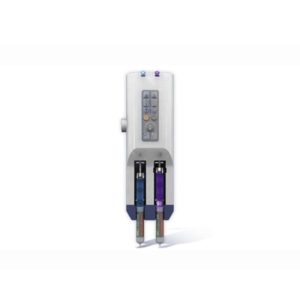
Contrast injection systems consist of syringes, tubing sets, connectors, and valves, along with other flow control components, working together for controlled delivery. Each component must maintain pressure integrity and material compatibility throughout the fluid path from reservoir to patient.
Contrast power injector syringes and tubing vary significantly in construction materials and pressure tolerances across modalities. Single-use disposable units dominate the market due to infection control standards and regulatory requirements.
What Types of Syringes Are Available for CT and MRI Injectors?
Polycarbonate material provides the primary construction for high-pressure CT syringes due to excellent transparency and strength. Polyvinyl chloride (PVC) offers a cost-effective alternative for lower-pressure applications with comparable safety profiles.
Syringeless injector systems eliminate traditional syringe components to reduce contrast media waste significantly. A growing number of high-volume centers have adopted these systems in pursuit of improved sustainability and cost efficiency.
How Do Tubing Materials and Length Affect Injection Performance?
Standard tubing lengths measure 1800mm to 2500mm to accommodate various room configurations and patient positioning requirements. Tubing lengths exceeding 2500mm degrade injection performance due to increased resistance that affects flow rates.
Medical-grade polyurethane provides superior pressure tolerance and flexibility for high-flow applications. Silicone tubing offers excellent biocompatibility for sensitive patient populations despite lower pressure ratings. Chemical resistance and chemical compatibility with contrast media additives determine how well tubing withstands repeated use, and each material’s temperature rating dictates safe performance under elevated temperatures during autoclave sterilization or warehouse storage.
What Connector Technologies Ensure Secure and Leak-Free Delivery?
Standard Luer lock connections maintain ISO 594 compliance to ensure universal compatibility across medical devices. Low-dead-volume connectors minimize waste by reducing residual contrast media trapped in connection points.
T-connectors enable dual-line delivery for simultaneous contrast and saline administration. Y-connectors facilitate simultaneous dual-head injection protocols commonly used in cardiac and vascular imaging procedures.
How to Verify Compatibility of Syringes and Tubing with Injector Models?
Verifying consumable compatibility prior to purchase prevents costly ordering errors and workflow disruptions. Using incompatible components leads to leaks, poor injection control, and connection failures that compromise patient safety.
Failure to verify compatibility results in unusable orders that create supply shortages and budget overruns. Maintaining CT and MRI injector compatibility documentation for all equipment models streamlines procurement and reduces errors.
What Compatibility Checks Are Necessary Before Purchase?
Every purchase order must include verification against manufacturer compatibility matrices for specific injector models. Cross-referencing part numbers with equipment documentation ensures correct syringe dimensions, connector types, and pressure ratings. A documented contrast media supplier checklist helps standardize this verification step across procurement teams.
Procurement teams should maintain updated compatibility databases linking consumable SKUs to installed equipment inventories. Regular audits of compatibility documentation prevent ordering errors when staff turnover or equipment upgrades occur.
How Do Manufacturer Specifications Impact Consumable Selection?
Stellant CT scanner models require specific syringe designs optimized for high-flow vascular protocols. EnVision CT scanner systems demand consumables engineered for precise injection timing and pressure control.
OptiVantage CT injector systems integrate with facility PACS networks for automated protocol management. Spectris Solaris MRI injectors utilize specialized tubing sets designed to minimize magnetic susceptibility, while Empower CT systems by Bracco feature proprietary connector interfaces. Facilities standardizing on OptiVantage consumables can review total cost of ownership alongside compatibility requirements.
What Are the Regulatory Standards Guiding Compatibility and Safety?
Equipment entering MRI Zones III and IV must carry certification as MR Conditional or MR Safe. FDA mandates 510(k) submissions for piston syringes to demonstrate substantial equivalence to predicate devices.
MR Conditional certification indicates devices meet specific safety conditions defined in ASTM F2503 testing protocols. Standard Luer-lock connections achieve ISO 594 compliance, ensuring universal mechanical compatibility across medical fluid delivery systems.
What Factors Influence the Cost and Market Availability of Consumables?
Market concentration among major manufacturers creates significant pricing power and supply chain dependencies. Cost structures reflect research investments, regulatory compliance expenses, and specialized manufacturing requirements for medical-grade materials.
CT injector syringes and tubing pricing varies substantially based on pressure ratings and volume capacities. Facilities managing multiple imaging modalities face complex procurement decisions, balancing cost containment with clinical requirements.
Which Manufacturers Dominate the Syringe and Tubing Market?
A small group of manufacturers supplies most syringes and tubing used in CT and MRI contrast injection, each with a distinct area of specialization.
| Manufacturer | Primary Focus Area |
| Bayer (Medrad) | CT and MRI contrast injector systems and consumables |
| Bracco Imaging | Comprehensive CT and MRI injector systems |
| Guerbet | Specialized contrast media delivery solutions, including OptiVantage |
| GE HealthCare | Integrated imaging equipment and OEM injector partnerships |
How Do Price Tiers Reflect Quality and Feature Differences?
Entry-level CT syringes carry basic pressure ratings and standard materials, while mid-range models add enhanced pressure tolerances and improved transparency.
Premium CT syringes incorporate advanced materials and specialized connector technologies. MRI-compatible syringes are priced across a similar range, with cost driven primarily by the non-magnetic material certification each tier requires; facilities should request current pricing from their supplier rather than rely on general figures.
How Do Facility Size and Location Affect Purchasing Decisions?
Mid-size hospitals typically carry a moderate annual consumables budget, while high-volume imaging centers running multiple scanners can see substantially higher annual spending on syringes, tubing, and related consumables.
Urban facilities generally maintain broader round-the-clock CT and MRI availability, while rural facilities often face more limited access due to equipment costs and lower patient volumes.
How Do Consumer Preferences Shape Syringe and Tubing Selection?
Buyer priorities reflect operational requirements balanced against safety mandates and budget constraints. Compatibility verification dominates decision criteria because incompatible components create immediate operational failures and patient safety risks.
MRI injector syringes and tubing selection demands heightened attention to magnetic safety certification. Cost considerations rank lower than compatibility and safety due to potential liability exposure from equipment failures.
What Are the Top Buyer Priorities When Choosing Consumables?
Buyers evaluating consumable options consistently rank the following priorities, roughly in order of importance:
| Priority | Why It Matters |
| Compatibility verification | Prevents equipment damage, leaks, and unusable orders |
| Safety and regulatory compliance | Meets accreditation standards and reduces liability exposure |
| Material quality | Supports consistent performance across the product’s shelf life |
| Supplier reliability | Ensures consistent delivery schedules and reduces stockout risk |
| Cost | Considered only after compatibility, safety, and quality requirements are met |
How Does Supplier Reliability Impact Procurement Strategies?
Facilities require fast delivery of 24-48 hours to maintain adequate inventory without excessive storage costs. Backup suppliers ensure business continuity during supply chain disruptions caused by manufacturing issues or transportation delays.
Linking consumable orders with preventive maintenance schedules optimizes inventory management and reduces emergency procurement costs. Maintaining updated documentation for all injector models streamlines reordering processes and prevents compatibility errors.
What Role Does Safety Certification Play in Buyer Decisions?
Most buyers rank safety and regulatory compliance among their primary selection criteria when choosing contrast media delivery consumables. Purchasing on price alone compromises patient safety through inferior materials and inadequate testing.
Cost-focused procurement strategies also compromise equipment integrity by introducing incompatible components that damage injector mechanisms. MR Conditional certification requirements create non-negotiable minimum standards for MRI injector suppliers serving magnetic environments.
How Does Recent Research Inform Optimal Syringe and Tubing Use?
Recent fluid dynamics research reveals significant gaps between theoretical injection rates and actual delivery performance. Viscosity of iodinated contrast medium increases non-linearly with concentration, substantially affecting required injection pressures.
Actual injected flow rates often differ from theoretical expectations set on injector consoles due to resistance factors. CT imaging requires rapid delivery of highly viscous iodinated contrast media, demanding precise equipment calibration.
What Fluid Dynamics Considerations Affect Contrast Media Injection?
Contrast medium viscosity increases exponentially as iodine concentration rises from 300 to 400 mgI/mL. This non-linear relationship creates unpredictable pressure demands that exceed standard injector settings during high-concentration protocols.
Tubing length and internal diameter create resistance that reduces actual flow rates below console settings. Temperature variations in contrast media storage further complicate viscosity management and injection performance. Chemical storage conditions that fall outside the manufacturer’s specified temperature range can accelerate chemical reactions between contrast additives and container materials, altering the chemical behavior of the solution before it reaches the injector.
How Should Catheter and Tubing Choices Be Optimized for Imaging?
Selecting appropriate catheter gauges ensures optimal contrast enhancement while minimizing vascular access complications. Minimizing tubing length reduces resistance and improves bolus timing, critical for vascular imaging protocols.
18-gauge catheters provide optimal flow rates for high-volume CT applications requiring rapid contrast delivery. 20-gauge catheters offer sufficient flow for standard protocols while reducing patient discomfort and insertion complications.
What Technological Advances Improve Injection Precision and Safety?
Adaptive flow control monitors injection pressure and speed in real-time to prevent vascular rupture. Advanced systems store patient protocols and automatically adjust dosing based on age, weight, and renal function.
Injectors link directly to hospital PACS and RIS systems for automated documentation and quality monitoring. Low-dead-volume connectors minimize waste while syringeless injector systems eliminate residual contrast disposal requirements.
How Can Workflow Efficiency Be Enhanced with Prefilled Syringe Kits?
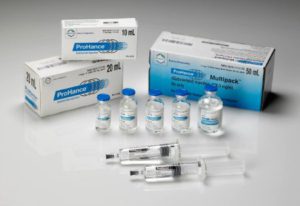
Prefilled syringe kits represent a significant workflow optimization opportunity for high-volume imaging facilities. These integrated units include syringes, contrast media, tubing, connectors, and valves in single sterile packages.
Standardized prefilled configurations reduce preparation complexity and improve consistency across technologist skill levels. CT injector suppliers offer prefilled options ranging from basic kits to comprehensive protocol-specific assemblies.
What Are the Benefits of Using Prefilled Versus Manual Assembly Kits?
Prefilled kits reduce preparation time from approximately 3 minutes to under 10 seconds per injection. This efficiency gain translates to increased patient throughput and reduced technologist workload during peak hours.
Prefilled kits minimize contamination risk by eliminating manual contrast drawing and connection assembly steps. These units also minimize dosing errors through pre-measured contrast volumes calibrated to specific protocols.
How Do Prefilled Kits Improve Safety and Reduce Preparation Time?
Preparation time reduction from 3 minutes to under 10 seconds eliminates a major bottleneck in imaging workflows. This efficiency improvement allows facilities to accommodate more patients without adding staff or extending operating hours.
Contamination risk drops significantly when technologists avoid manual handling of sterile components. Dosing error prevention improves through factory-controlled filling processes that ensure consistent contrast concentrations.
In What Clinical Scenarios Are Prefilled Kits Most Advantageous?
The U.S. population is aging, and older adults are expected to make up a growing share of the population in the coming years. This age group already accounts for a disproportionate share of imaging volume, often requiring more complex protocols.
Older adults account for a large and growing share of all CT procedures. This demographic shift increases demand for efficient workflow solutions like MR Conditional products that streamline high-volume operations.
Strategic Recommendations for Selecting and Procuring Compatible Syringes and Tubing for CT and MRI Injectors
Implementing structured procurement protocols ensures compatible syringes and proper tubing selection for all imaging modalities. Facilities must establish compatibility verification systems that prevent ordering errors before purchase orders reach vendors.
Creating centralized documentation databases linking consumable part numbers to specific injector models reduces errors. Regular staff training on material compatibility requirements and regulatory standards maintains compliance and operational efficiency.
Facilities should prioritize supplier relationships offering guaranteed 24- to 48-hour delivery and comprehensive technical support. Budget allocation must account for premium pricing on MRI-compatible consumables while avoiding cost-driven compromises on safety.
Get Expert Guidance on Compatible Syringes and Tubing
Matching syringes, tubing, and other flow control components to your CT and MRI injectors takes more than a parts list; it takes verified compatibility data and technical support you can rely on. Spectrum Medical Imaging Co. helps hospitals, imaging centers, and private practices confirm pressure ratings, chemical compatibility, and temperature range requirements before a single order ships, backed by 24- to 48-hour nationwide delivery on approved consumables. To review your injector models and build a compatibility plan for your facility, contact Spectrum Medical Imaging Co. at 800-859-6162.
Frequently Asked Questions
Q1. What pressure rating do I need for CT versus MRI contrast injector syringes?
A. Standard CT syringes are rated for 300 to 350 PSI, with advanced models rated up to 1200 PSI for high-flow vascular protocols. MRI-compatible syringes typically use the same 300 to 350 PSI range, but every component must also be constructed from non-magnetic materials certified under ASTM F2503. Matching the pressure rating to your specific injector model and protocol prevents rupture failures and workflow interruptions. Always confirm the rating against the manufacturer’s compatibility matrix before ordering.
Q2. Can I use the same tubing for both CT and MRI injectors?
A. No. CT and MRI tubing must meet different material and safety requirements even when pressure ratings overlap. MRI-compatible tubing must be built from non-magnetic materials to avoid projectile hazards and imaging artifacts inside the magnetic field, while CT tubing has no such restriction. Using CT-only tubing in an MRI suite creates a serious safety risk and should never be attempted, regardless of apparent pressure compatibility.
Q3. How do I verify syringe and tubing compatibility before ordering?
A. Cross-reference the part number against the injector manufacturer’s compatibility matrix, checking syringe dimensions, connector type, and pressure rating together rather than individually. Facilities that maintain a centralized documentation database linking consumable SKUs to installed equipment catch most compatibility errors before an order ships. A contrast media supplier checklist gives procurement teams a repeatable process for this verification step, which is especially useful during staff turnover or equipment upgrades.
Q4. What certification do MRI-compatible syringes need?
A. MRI-compatible syringes and tubing must carry MR Conditional or MR Safe certification under ASTM F2503 testing protocols. MR Conditional means the device meets specific safety conditions defined for that testing standard, while MR Safe indicates no known hazards in any MRI environment. Equipment entering MRI Zones III and IV must carry one of these certifications, and facilities should keep certification documentation on file for accreditation audits.
Q5. How often should CT and MRI injector consumables be replaced?
A. Single-use syringes, tubing, and connectors are replaced after every injection cycle and are never reused between patients, which is standard practice for infection control. Beyond the single-use items, facilities should also track wear on reusable injector components and follow the manufacturer’s recommended service intervals. Our guide on how often to replace contrast media injector consumables walks through the signs that indicate a component needs attention before it causes a workflow disruption.