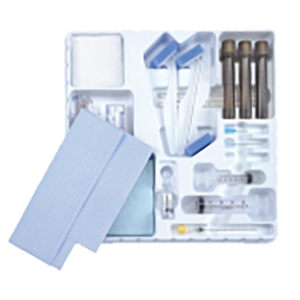
Selecting contrast power injector syringes for power injection procedures requires systematic evaluation of technical specifications, safety standards, and operational requirements. Healthcare facilities that skip this pre-purchase checklist risk compatibility failures, unexpected costs, and workflow disruptions that compromise both patient safety and departmental efficiency.
This guide presents five critical checkpoints that radiology directors and procurement teams must verify before committing to any syringe purchase. Each factor connects directly to long-term operational performance, regulatory compliance, and return on investment.
Key Takeaways
- Verify syringe compatibility with single-head, dual-head, or syringeless injector configurations before purchasing
- Confirm FDA 510(k) clearance, ACR guideline alignment, and built-in extravasation and air embolism safeguards
- Calculate total ownership costs, including capital equipment, per-unit consumable pricing, and long-term maintenance expenses
- Evaluate supplier lead times and distribution reach to prevent workflow interruptions from supply chain issues
- Assess workflow integration requirements, including protocol fit, technologist training needs, and patient throughput impact
What Are Contrast Power Injector Syringes and Their Purpose?
Definition and Function of Contrast Power Injector Syringes
Contrast power injector syringes deliver iodinated or gadolinium-based contrast material into the vascular system during diagnostic imaging procedures. These specialized medical devices connect to automated injection systems that control flow rate, pressure, and timing to optimize contrast opacification for CT, MRI, and interventional radiology procedures. The contrast dye used in these systems must meet strict viscosity and sterility requirements to support accurate diagnosis.
Key Components and Types of Syringes Used
High-quality tubing is constructed from flexible, braided polyurethane or dual-layer nylon and urethane to withstand injection pressures. Standard tubing is rated for 300 PSI, while high-pressure lines can withstand up to 1200 PSI. Pressure injectors in this range require tubing sets with a compatible needleless connector to maintain a closed, sterile fluid path and reduce the risk of contamination during contrast-medium administration.
Prefilled syringes are sterile, single-use glass or plastic syringes manufactured to ISO 11040-4 standards for consistent quality. These pre-loaded units streamline contrast power injector syringes and tubing setup and reduce human error during preparation.
Why Syringe Quality Impacts Imaging Procedures
Injector syringe quality directly influences diagnostic image quality by ensuring consistent contrast delivery without flow rate fluctuations or air introduction. Poor-quality components cause timing delays, incomplete contrast boluses, and increased extravasation risk that forces repeat scans and extends patient room time.
The Top 5 Things to Check Before You Buy: At a Glance
Before committing to any contrast power injector syringe, work through these five checkpoints in order. Each one is covered in full in the sections that follow.
- Injector System Compatibility: Confirm the syringe matches your single-head, dual-head, or syringeless injector
- Safety and Regulatory Compliance: Verify FDA clearance, ACR alignment, and built-in extravasation and air embolism safeguards
- Total Cost of Ownership: Account for equipment, per-syringe pricing, and long-term operational costs, not just the upfront price
- Consumable Availability and Supply Chain Reliability: Make sure you can restock consistently without workflow interruptions
- Workflow Integration and Staff Training: Check how the syringe fits existing protocols, technologist ease of use, and patient throughput
1. Injector System Compatibility
Single-Head vs. Dual-Head Injector Systems
Single-head systems utilize one syringe that holds between 115-200mL of contrast agent for sequential delivery. These configurations provide flow rates of 0.5-10 mL/sec for CT and 0.5-3 mL/sec for MRI applications.
Dual-head configurations mount two syringes side-by-side: one for contrast and one for saline flush. Dual-head systems can reduce contrast usage by 10-18% and justify investment above 6,000 exams per scanner annually. Contrast media viscosity affects flow dynamics in both head configurations and must be factored into protocol setup to avoid bolus timing errors.
Syringeless Injector Technology and Its Consumables
Syringeless power injectors eliminate the need for traditional disposable syringes for each patient through bulk container systems. These advanced contrast injection system platforms utilize specialized pump tubing with single-use patient lines that automate contrast loading and delivery processes. Unlike standard control syringes, syringeless designs reduce per-procedure waste while maintaining precise volume and rate management.
Confirming Compatibility Between Syringes and Injector Types
Compatibility verification prevents costly purchasing errors that force facilities to absorb unusable inventory or delay patient schedules. Procurement teams must cross-reference manufacturer specifications for thread type, pressure rating, and volume capacity against existing injector compatibility requirements before finalizing any syringe order. Contrast media injectors from different manufacturers vary in syringe port design, so confirming physical and electronic compatibility protects both procurement budgets and patient scheduling continuity.
2. Safety and Regulatory Compliance
FDA Clearance and Quality Certifications
Equipment requires FDA 510(k) clearance in the United States to establish baseline safety and efficacy standards. This regulatory approval confirms the device meets performance benchmarks for injecting contrast media and flushing solutions into vascular systems.
Compliance with ACR Guidelines
The American College of Radiology Manual on Contrast Media provides evidence-based guidelines that define industry standards for injector safety protocols. Facilities must verify that contrast media selection and supplier quality standards align with these comprehensive recommendations for patient screening, contrast-medium administration techniques, and adverse event management.
Built-in Safety Features and Extravasation Prevention
Two primary risks associated with power injectors are contrast extravasation and air embolism during administration. Standard operating procedures must incorporate active detection systems, pressure limit controls, and automatic shut-off mechanisms to minimize these preventable complications.
3. Total Cost of Ownership
Initial Equipment and Syringe Pricing Considerations
Budget to mid-range single-head systems cost $150,000 – $300,000 in capital investment for the base configuration. Mid-range to premium dual-head systems require $400,000 – $600,000+ capital allocation, while premium syringeless systems demand $500,000 – $750,000+ upfront.
Contrast injection tubing ranges from $2 – $8 per unit in bulk boxes of 25 or 50 units. Prefilled contrast syringes cost $15 – $30 per syringe, depending on volume and hidden operational expenses that compound over multi-year equipment lifecycles.
Long-Term Maintenance and Operational Costs
Maintenance contracts, calibration services, and replacement part expenses accumulate throughout the 5-to-7-year equipment lifecycle period. Facilities must calculate the complete financial impact by modeling annual exam volume against per-procedure consumable costs and scheduled service performance standards to determine true ownership expenses.
4. Consumable Availability and Supply Chain Reliability
Why Restock Reliability Belongs in the Buying Decision
The consumables segment held 60.3% market share in 2023, representing the largest recurring expense in contrast to injection operations. The contrast media consumables market was estimated at USD 5.3 billion in 2023, projected to reach USD 8.7 billion by 2032.
Evaluating Supplier Lead Times and Distribution Reach
Supplier evaluation must verify consistent inventory levels, documented shipping performance, and backup distribution channels for critical consumables. Procurement teams should require vendor evidence of 24-48 hour delivery capabilities and contrast media selection protocols that prevent stockout situations from disrupting scheduled patient procedures.
5. Workflow Integration and Staff Training
Integration with Existing Imaging Systems and Protocols
Protocol compatibility determines whether new syringes integrate smoothly with established CT and MRI scanning sequences without requiring extensive reprogramming. Contrast injection protocol variables such as bolus timing, scan delay, and saline flush volume must all be configurable within the existing system interface. Systems must also connect to PACS networks and hospital information systems for automated contrast dose recording and examination documentation.
Ease of Use and Training Requirements for Technologists
Operational complexity directly impacts the learning curve for radiologic technologists and nursing staff during system adoption. Facilities should assess vendor commitment to comprehensive initial and ongoing training programs that maintain staff proficiency and minimize user error rates.
Impact on Procedure Time and Patient Throughput
Room time per patient determines daily scan capacity and revenue generation potential for imaging departments. Contrast syringe features that reduce preparation steps, enable faster patient positioning, and support multiphasic protocols improve throughput rates and justify ROI calculations for equipment upgrades based on increased examination volume.
Expert Checklist: The 5 Critical Factors Recapped
Injector System Compatibility: Match the syringe to your single-head, dual-head, or syringeless configuration before anything else
Safety and Regulatory Compliance: Require FDA 510(k) clearance, ACR alignment, and active extravasation and air embolism safeguards
Total Cost of Ownership: Weigh capital cost, per-syringe and tubing pricing, and long-term maintenance together
Consumable Availability and Supply Chain Reliability: Choose a supplier that keeps consumables in stock and ships fast enough to protect your schedule
Workflow Integration and Staff Training: Confirm the syringe fits your protocols, is easy for technologists to use, and supports patient throughput
Successful syringe procurement depends on systematic evaluation of all five factors rather than an isolated focus on purchase price alone. Facilities that apply this framework reduce compatibility failures, control long-term operating expenses, and maintain consistent imaging quality across all patient populations.
Spectrum Medical Imaging Co. provides comprehensive support for facilities navigating these critical purchasing decisions through 30+ years of diagnostic imaging expertise. Our team helps radiology departments match equipment specifications to clinical requirements while ensuring regulatory compliance and operational efficiency.
Partner With Spectrum Medical Imaging Co. for Contrast Injector Procurement
Spectrum Medical Imaging Co. has supported radiology departments, imaging centers, and surgery centers across Southern California and the West Coast for 30+ years. Our team carries hands-on experience with contrast media injectors from Guerbet, Bayer, and Bracco, and we stock the tubing sets, control syringes, and consumables your facility needs to keep contrast injection systems running without interruption. Whether you are sourcing syringes for a new power injection setup or replacing consumables for an existing platform, we help you verify compatibility, confirm regulatory alignment, and maintain an uninterrupted supply. Contact us to speak with a diagnostic imaging specialist.