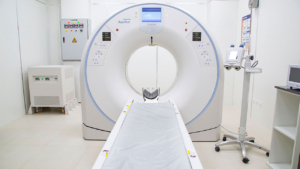
The U.S. Food and Drug Administration has fundamentally reshaped contrast media oversight through targeted class warnings and subgroup-specific monitoring protocols. These regulatory updates shifted the framework from broad safety reassurance toward explicit risk disclosure and post-market accountability. The 2018 gadolinium retention warning and 2022 pediatric thyroid monitoring guideline represent the most significant FDA contrast warnings in recent history.
These safety alerts changed clinical workflows across radiology departments nationwide. Providers now integrate Medication Guides into patient education, screen for kidney impairment, and follow post-exposure monitoring protocols for vulnerable populations.
Key Takeaways
- The FDA required new class warnings for gadolinium-based contrast agents in 2018 due to retention in body tissues
- Iodinated contrast media received a pediatric thyroid monitoring guideline in 2022 for children aged three and younger
- Macrocyclic gadolinium agents show less retention than linear agents due to greater chemical stability
- Iodinated contrast media held 71.52% global market share in 2025, dominating CT and angiography workflows
- Patient preferences prioritize diagnostic efficacy over cost, with 44.3% weighting cancer detection sensitivity
What Are Contrast Media and Their Key Types?
Contrast media are pharmaceutical agents administered to enhance tissue differentiation during diagnostic imaging. These substances improve visualization of blood vessels, organs, and pathologic lesions by altering signal intensity in MRI or X-ray attenuation in CT. Four primary categories dominate clinical use: iodinated agents for CT and angiography, gadolinium-based contrast agents for MRI, microbubble agents for ultrasound, and barium compounds for gastrointestinal studies.
Each agent class serves distinct imaging modalities and carries different risk profiles that inform FDA oversight and labeling requirements.
What Differentiates Iodinated, Gadolinium-Based, Microbubble, and Barium Agents?
Iodinated contrast agents are tri-iodinated benzene ring molecules that attenuate X-rays to enhance vascular and soft-tissue visualization. Non-ionic low-osmolality formulations have largely replaced older ionic high-osmolality products because they reduce acute reactions. These renally-cleared agents dominate CT imaging, holding 71.52% of the global contrast media market share in 2025.
Gadolinium-based contrast agents use chelated paramagnetic ions to shorten the T1 relaxation time and brighten the MRI signal. Macrocyclic agents demonstrate greater chemical stability than linear agents, resulting in less gadolinium retention in the brain and bone. Linear agents release free gadolinium more readily, driving regulatory scrutiny and clinical preference shifts toward macrocyclic formulations.
Microbubble ultrasound agents consist of gas-filled microspheres stabilized by lipid or protein shells that reflect ultrasound waves. These agents enable contrast-enhanced ultrasound without ionizing radiation or nephrotoxicity. The microbubble segment is growing at 10.23% CAGR through 2031, reflecting increased adoption in cardiac and hepatic imaging.
Barium-based agents are insoluble barium sulfate suspensions used exclusively for gastrointestinal tract imaging. These dense compounds coat mucosal surfaces to provide detailed visualization of esophageal, gastric, and colonic anatomy. Unlike iodinated and gadolinium agents, barium products have minimal systemic absorption.
How Do Their Safety Profiles and Clinical Uses Vary?
Gadolinium-based contrast agents produce acute allergic-like reactions at rates generally lower than iodinated contrast media. Severe reactions occur in fewer than 0.01% of gadolinium exposures compared to 0.04% for iodinated agents. The most serious historical risk remains nephrogenic systemic fibrosis, a debilitating fibrosing disorder strongly associated with severe kidney failure and older linear gadolinium products.
Iodinated agents require systematic management of allergic-like reactions and renal-risk assessment before administration. The 2022 FDA pediatric thyroid warning added monitoring for infants and children aged three years or younger. This population faces the risk of hypothyroidism or transient thyroid suppression following injected iodinated contrast exposure, particularly neonates, preterm infants, and cardiac patients.
Barium agents cause constipation, bowel obstruction, aspiration pneumonitis, and, rarely, bowel perforation when administered inappropriately. Contraindication screening rather than systemic pharmacovigilance forms the primary safety strategy.
What Are Typical Pricing and Market Share Dynamics?
Iodinated contrast media held 71.52% of the global market share in 2025, reflecting dominant use in CT and interventional procedures. Market projections estimate growth from USD 7.3 billion in 2025 to USD 10.9 billion by 2030 on an 8.39% compound annual growth rate. Budget iodinated products like Omnipaque 350 cost approximately USD 0.84 to 1.00 per mL or USD 120.72 for a 125 mL vial.
Mid-range gadolinium products such as ProHance and MultiHance cost approximately USD 1.42 to 1.74 per mL. Premium macrocyclic agent Elucirem reaches approximately USD 3.36 per mL, while specialty hepatobiliary agent Eovist commands approximately USD 14.73 per mL.
Microbubble agents like Lumason receive separate HCPCS coding (Q9950) and reimbursement treatment. Regional disparities in MRI access affect gadolinium utilization, with urban non-Hispanic White patients reaching 46.6% MRI utilization versus 17.7% for rural non-Hispanic White patients in 2019.
Why Has the FDA Updated Warnings on Contrast Media?
The FDA shifted from general product safety language toward class-wide warnings, targeted monitoring, and explicit patient education requirements. These regulatory updates reflect accumulating post-market evidence of gadolinium retention and pediatric thyroid dysfunction.
The changes prioritize risk transparency and informed decision-making over class restrictions.
The regulatory affairs and compliance market reached USD 20.9 billion in 2025, growing at 8.2% annually. The pharmacovigilance market reached USD 9.03 billion in 2025 with 8.8% CAGR, reflecting data-intensive post-market surveillance expansion.
What Prompted the 2018 Gadolinium-Based Contrast Agent (GBCA) Class Warnings?
The FDA required new class warnings and Medication Guides for all gadolinium-based contrast agents in 2018 following evidence that gadolinium retention occurs in the brain and other tissues. The agency acknowledged retention was real and measurable, particularly with linear agents relative to macrocyclic agents. Importantly, the FDA stated it had found no harmful effects directly linked to brain retention to date.
The 2018 action converted specialist literature debate into routine clinical practice through mandatory labeling changes and patient education materials.
What Are the 2022 Iodinated Contrast Media Pediatric Thyroid Monitoring Guidelines?
The FDA approved a new warning for all injected iodinated contrast media in 2022, covering thyroid dysfunction risk in young children. The class-wide labeling update specifically addresses the risk of underactive thyroid or temporary thyroid suppression in infants and very young children.
The FDA recommended thyroid monitoring within three weeks for babies and children aged three years or younger following injected iodinated contrast exposure. High-risk subgroups include neonates, preterm infants, low-birth-weight children, and pediatric cardiac patients receiving high doses or repeated exposures.
How Have Regulations Shifted Labeling, Patient Education, and Monitoring?
FDA contrast warnings transformed abstract safety concerns into concrete workflow requirements affecting every stage of contrast-enhanced imaging. Medication Guides must now accompany gadolinium-based contrast agent administration, introducing structured patient education into radiology workflows.
Pediatric contrast media protocols expanded to include mandatory thyroid function testing within three weeks of iodinated contrast exposure for children three and younger. Radiology departments coordinate with pediatric primary care to ensure surveillance completion and appropriate intervention when hypothyroidism develops.
How Do FDA Warnings Impact Clinical Practice and Patient Safety?
Regulatory updates reshaped agent selection, pre-screening protocols, and post-exposure follow-up across all contrast media classes. Radiology departments revised standard operating procedures to incorporate Medication Guide distribution, enhanced kidney function assessment, and age-specific monitoring pathways.
Safety alerts shifted purchasing patterns toward macrocyclic gadolinium agents perceived as lower-retention options despite higher costs. A multicenter patient-preference study found that macrocyclic, high-sensitivity, low-retention GBCA options captured 57.4% to 61.7% preference share among informed consumers.
What Risk Management Steps Are Recommended for Different Agent Classes?
Iodinated agents require renal screening, readiness for allergic-like reactions, and pediatric thyroid follow-up protocols. Providers assess the estimated glomerular filtration rate before contrast administration and implement hydration protocols for patients with impaired renal function.
Gadolinium agents require careful agent-group selection, kidney-risk assessment, and explicit conversation about repeat exposure and retention risks. Macrocyclic formulations are preferred over linear agents in patients requiring lifetime MRI surveillance. Medication Guides documenting retention information must be provided, and patient understanding verified before administration.
Microbubble agents require product-specific monitoring and separate billing pathways. Cardiopulmonary status assessment precedes administration, and hemodynamic monitoring continues during and immediately after contrast-enhanced ultrasound examinations.
How Are Pediatric and Renal Risk Populations Affected?
Nephrogenic systemic fibrosis remains the most feared gadolinium-associated complication in patients with severe kidney impairment. This progressive fibrosing disorder causes skin thickening, joint contractures, and internal organ fibrosis in dialysis-dependent and severely compromised renal patients. Risk has declined dramatically since 2006 following the restriction of high-risk linear agents in advanced chronic kidney disease populations.
The pediatric thyroid warning for injected iodinated contrast products created a surveillance category affecting neonatal intensive care units and pediatric cardiology services. Thyroid function testing within three weeks identifies hypothyroidism requiring levothyroxine replacement therapy to prevent developmental consequences.
What Role Does Post-Market Surveillance and Pharmacovigilance Play?
Pharmacovigilance systems detect safety signals emerging after widespread clinical use across diverse patient populations. The pharmacovigilance market reached USD 9.03 billion in 2025 with 8.8% CAGR, reflecting increased investment in adverse event monitoring. Automated systems now mine electronic health records to identify contrast-related complications.
Post-market surveillance identified both gadolinium retention and pediatric thyroid dysfunction patterns that prompted FDA class warnings. Ongoing monitoring continues to evaluate whether retention correlates with any clinical outcomes beyond tissue deposition.
What Is Known About the Long-Term Effects of Contrast Agents?
Long-term contrast agent safety concerns vary substantially by chemistry, route, and imaging modality. Gadolinium retention is proven and measurable, but no scientific evidence currently links deposition to adverse clinical outcomes. Nephrogenic systemic fibrosis remains the only well-established severe chronic complication, primarily affecting patients with advanced kidney disease exposed to older linear agents.
Iodinated agents show concentrated risk around acute reactions, renal-risk stratification, and pediatric endocrine effects. Barium agents cause primarily mechanical gastrointestinal complications during or shortly after administration.
What Scientific Evidence Exists on Gadolinium Retention and Nephrogenic Systemic Fibrosis?
Gadolinium retention occurs in the brain and other tissues, with greater retention from linear than macrocyclic molecules because macrocyclic chelates demonstrate superior chemical stability. Autopsy studies and MRI signal analysis confirm that gadolinium deposition persists years after contrast exposure, particularly in the dentate nucleus and globus pallidus. A 2023 expert review in the American Journal of Roentgenology concluded that no scientific evidence has established adverse biologic or clinical outcomes from gadolinium deposition itself.
The FDA found no harmful effects directly linked to brain retention to date, despite mandating class warnings and Medication Guides. Ongoing research investigates whether long-term retention affects cognition, motor function, or other outcomes in high-exposure populations.
Nephrogenic systemic fibrosis is strongly associated with kidney failure, and older, higher-risk gadolinium agents are no longer widely used. Restriction of high-risk agents in advanced chronic kidney disease populations has made nephrogenic systemic fibrosis exceptionally rare in current practice.
What Are the Acute and Endocrine Risks Associated with Iodinated Agents in Children?
Iodinated contrast media carry the risk of underactive thyroid or temporary thyroid suppression in infants and very young children following injection. The high iodine load relative to body weight overwhelms the immature thyroid regulatory system, potentially causing transient or permanent hypothyroidism. Neonates, preterm infants, low-birth-weight children, and those with cardiac conditions requiring repeated exposures face the highest risk.
The 2022 FDA warning formalized thyroid-function evaluation within three weeks for patients from birth through age three. This surveillance window allows identification and treatment of hypothyroidism before developmental consequences occur.
How Do Long-Term Concerns Differ by Agent Chemistry and Patient Subgroups?
Linear gadolinium agents release free gadolinium more readily than macrocyclic agents due to less stable chelate structures. This chemical difference explains greater tissue retention and higher historical nephrogenic systemic fibrosis risk with linear formulations.
Patient subgroups face differential long-term risk based on kidney function, age, and cumulative exposure frequency. Patients requiring lifetime cancer surveillance MRI accumulate greater gadolinium burden than single-exposure populations.
How Do Patient Preferences Influence Contrast Agent Selection?
Patient decision-making research reveals that diagnostic efficacy dominates safety and cost considerations when informed consumers evaluate contrast agent attributes. A multicenter conjoint study found cancer detection sensitivity accounted for 44.3% of preference weight compared to only 7.5% for out-of-pocket cost. Mild allergic-like reaction risk captured 19.5%, severe reaction risk 17.0%, and gadolinium retention concern 11.6%.
These findings challenge assumptions that retention anxiety drives patient reluctance toward contrast-enhanced imaging. When forced to trade off attributes, patients prioritize diagnostic yield over speculative long-term concerns.
What Factors Do Patients Prioritize When Evaluating Contrast Media?
Cancer detection sensitivity and diagnostic efficacy ranked highest at 44.3% in patient priority weighting studies. Patients value the ability to identify pathology early enough for curative intervention more than any other attribute.
Mild allergic-like reaction risk captured 19.5% priority weight, nearly matching the 17.0% assigned to severe allergic-like reaction risk. Gadolinium retention and long-term concern captured 11.6% priority weight, meaningful but subordinate to immediate reaction risk and diagnostic capability.
Out-of-pocket cost ranked lowest at 7.5% despite substantial price variation between standard and premium agents. Cost sensitivity increased in lower-income groups but remained below safety and efficacy even among financially constrained respondents.
How Does Cost Compare to Safety and Diagnostic Efficacy in Decision Making?
Patients demonstrate willingness to pay premium prices for agents combining high diagnostic sensitivity with favorable safety profiles. Preference simulation exercises showed that macrocyclic, high-sensitivity, low-retention GBCA options captured 57.4% to 61.7% market share among informed consumers.
Price sensitivity varies by insurance coverage and socioeconomic status but remains subordinate to efficacy across all studied populations. The contrast media pricing trends in 2025 show premium products commanding two to fifteen times the per-milliliter cost of budget alternatives.
Do Demographics Affect Patient Access and Utilization of Contrast-Enhanced Imaging?
Urban non-Hispanic White patients reached 46.6% MRI utilization in 2019 compared to 17.7% for rural non-Hispanic White patients. This 28.9 percentage-point gap reflects geographic concentration of advanced imaging equipment, specialist expertise, and insurance coverage. Urban non-Hispanic Black patients achieved 26.3% MRI utilization versus 11.2% for rural non-Hispanic Black patients.
Age-based utilization showed similar urban-rural divides, with patients aged 65–74 reaching 35.3% utilization in urban settings versus 17.7% in rural areas. These disparities indicate that FDA contrast warnings operate within an already inequitable imaging access landscape.
What Are the Market and Regulatory Trends Shaping Contrast Media Use?
The global contrast media market reached USD 7.3 billion in 2025 and is projected to reach USD 10.9 billion by 2030, on 8.39% compound annual growth. This expansion occurs despite tighter safety scrutiny, suggesting clinical demand outweighs regulatory friction. Iodinated agents maintain market dominance, but gadolinium and microbubble categories grow faster as MRI and ultrasound penetration increase.
The regulatory affairs and compliance market reached USD 20.9 billion in 2025, larger than the contrast media market itself, signaling that safety governance has become strategically important independent of product chemistry innovation.
How Are Premium and Niche Agent Segments Positioned Amid Regulatory Changes?
Microbubble ultrasound agents represent the fastest-growing niche at 10.23% CAGR through 2031, driven by radiation-free and nephrotoxicity-free positioning. Lumason receives separate HCPCS coding (Q9950) and reimbursement treatment distinct from traditional contrast classes.
The global contrast media market at USD 7.3 billion in 2025 is projected to reach USD 10.9 billion by 2030 on 8.39% annualized growth trajectory. Premium gadolinium products like gadopiclenol and gadoxetate disodium command substantial price premiums over standard agents.
How Do Manufacturing and Safety Protocols Differ Across Contrast Agent Types?
Manufacturing processes and quality control requirements vary substantially across contrast agent categories based on chemistry, route of administration, and regulatory classification. Iodinated and gadolinium agents require sterile parenteral manufacturing under current good manufacturing practice with rigorous endotoxin and particulate testing.
Safety protocols align with class-specific risk profiles rather than applying uniform precautions across all categories. Gadolinium protocols emphasize kidney function assessment and retention risk disclosure, while iodinated protocols focus on acute reaction preparedness and pediatric thyroid monitoring.
What Quality Controls and Clinical Precautions Are Unique to Iodinated and Gadolinium Agents?
Iodinated agents undergo concentration verification, osmolality testing, and viscosity measurement to ensure consistent X-ray attenuation and injection tolerability. Clinical protocols require renal function screening, allergic history review, and emergency equipment availability before administration.
Gadolinium agents require free gadolinium testing, relaxivity validation, and chelate stability assessment under physiologic conditions. Clinical precautions include kidney-risk stratification, retention risk documentation, and agent-group selection favoring macrocyclic formulations in repeat-exposure populations.
How Are Microbubble and Barium Agents Manufactured and Monitored Differently?
Microbubble agents require specialized microsphere engineering to achieve precise size distribution, shell stability, and gas encapsulation. Clinical monitoring emphasizes cardiopulmonary assessment because microbubbles interact with the pulmonary vasculature during systemic circulation.
Barium agents undergo particle-size control, suspension stability testing, and viscosity adjustment to achieve optimal mucosal coating properties. Clinical protocols emphasize contraindication screening for perforation risk and aspiration precautions rather than systemic pharmacovigilance.
How Do These Protocols Intersect with Regulatory Labeling and Patient Safety?
FDA labeling requirements translate manufacturing controls and clinical protocols into specific warning language, contraindications, and monitoring recommendations. The 2018 gadolinium class warning mandates retention disclosure in product labeling and patient Medication Guides. The 2022 iodinated contrast pediatric thyroid warning requires age-specific surveillance recommendations in prescribing information.
These regulatory labeling changes create documentation obligations extending beyond manufacturing quality control into clinical workflow processes. Patient safety improves through systematic implementation of targeted precautions rather than generic contrast avoidance.
FDA Warnings on Contrast Media Reflect Evolving Risk Communication, Targeted Monitoring, and Market Adaptation
The FDA has fundamentally transformed contrast media oversight through class-wide warnings, patient education mandates, and subgroup-specific surveillance protocols. These regulatory updates prioritize transparency and informed decision-making over product restrictions while driving clinical practice changes across radiology departments. The 2018 gadolinium retention warning and 2022 pediatric thyroid monitoring guideline demonstrate a sophisticated regulatory approach addressing emerging safety signals without eliminating diagnostic options.
Market dynamics show that FDA contrast warnings accelerate rather than impede contrast media market growth, with projections reaching USD 10.9 billion by 2030. Premium agents positioned as lower-retention or specialized-application products capture market share from commodity formulations, while microbubble ultrasound agents grow fastest by offering radiation-free and nephrotoxicity-free alternatives. Geographic and demographic disparities in advanced imaging access remain substantial, with urban populations achieving MRI utilization rates nearly three times higher than rural communities.
Spectrum Medical X-Ray Company supports imaging facilities navigating these evolving regulatory requirements through comprehensive contrast media supply chain management and staff education resources. Healthcare facilities managing contrast agent selection, procurement, and patient safety protocols benefit from partnering with experienced vendors who understand both clinical requirements and regulatory compliance obligations.
Source FDA-Compliant Contrast Media from a Trusted Imaging Partner
For 30+ years, Spectrum Medical Imaging Co. has helped hospitals, imaging centers, surgery centers, and private practices source the contrast media they need to meet today’s FDA labeling, monitoring, and patient-education standards. As a prime dealer for Guerbet, Bayer, Bracco, GE HealthCare, and Fresenius-Kabi, we supply the gadolinium MRI agents, iodinated CT agents, ultrasound microbubble products, and barium suspensions that support every modality across your radiology workflow, with clinical guidance that helps your team align agent selection with current safety alerts and Medication Guide requirements.
Every order is backed by guaranteed lowest pricing, 24-48 hour nationwide shipping, and 24/7 technical support, keeping your department stocked, compliant, and ready for every scan. Contact us to talk through your contrast media procurement and safety protocols today.