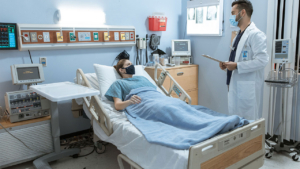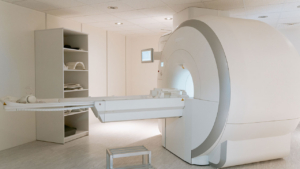
Contrast media enhance diagnostic imaging by improving tissue visibility during CT scans, MRIs, and fluoroscopy procedures. Understanding potential contrast media side effects helps patients and providers make informed decisions about imaging safety and risk management.
Modern contrast agents are generally safe, with most adverse reactions being mild and self-limiting. However, serious reactions remain possible, making proper screening, documentation, and emergency preparedness essential components of safe imaging practice.
Key Takeaways
- Modern low-osmolar iodinated contrast agents have acute adverse reaction rates of 0.2%-0.7%, with severe reactions occurring in approximately 0.02% of cases
- Agent switching reduces breakthrough reactions by 61% and is now preferred over routine steroid premedication for patients with prior contrast reactions
- Kidney risk assessment through eGFR screening and hydration strategies is essential for patients receiving iodinated contrast, particularly those with existing renal dysfunction
- Gadolinium-based agents carry very low anaphylaxis rates (0.00003%-0.004%) but require careful selection in patients with severe kidney disease due to retention concerns
- Proper documentation of specific product names, reaction symptoms, and severity is critical for safer repeat imaging procedures
What Are Contrast Media and Why Are They Used?
Contrast media are specialized pharmaceutical agents administered during medical imaging to improve the visibility of internal structures. These agents work by altering how X-rays, magnetic fields, or ultrasound waves interact with body tissues, creating clearer diagnostic images.
Radiologists and imaging specialists select contrast agents based on the imaging modality and clinical indication. Iodinated agents dominate clinical practice, accounting for 95.6% of contrast volume in Medicare data from 2011-2024, with 169 million contrast-enhanced procedures performed during this period.
What Are the Main Types of Contrast Media?
Iodinated contrast media contain water-soluble iodine-containing molecules, with nonionic low-osmolar formulations now representing the clinical standard. These agents are used primarily in CT angiography, urography, and conventional angiography procedures where rapid vascular enhancement is needed.
Gadolinium-based contrast agents feature gadolinium ions bound by linear or macrocyclic chelating ligands that stabilize the metal. Barium-based agents provide insoluble suspensions with varying viscosity for gastrointestinal imaging, while microbubble ultrasound agents consist of gas-filled particles with protective lipid or protein shells.
How Do Different Contrast Agents Work in Imaging?
Nonionic iodinated agents remain intact in solution without dissociating, resulting in lower osmolality and improved patient tolerance. Linear gadolinium-based contrast agents use open-chain molecular structures to bind gadolinium, while macrocyclic formulations employ cage-like configurations that provide greater stability.
Each formulation type produces distinct imaging characteristics suited to specific diagnostic needs. Modern agent selection prioritizes both diagnostic efficacy and safety profile, particularly for patients with known risk factors or prior reaction history.
What Are the Typical Uses and Patient Groups for Each Type?
Iodinated agents represent 71.52% of the global contrast media market share, reflecting their central role in high-volume CT imaging workflows. Gadolinium agents account for approximately 4.4% of contrast volume but serve critical roles in MRI-based lesion detection and vascular imaging.
Medicare beneficiary data demonstrates concentrated use in older adult populations requiring cardiovascular and oncologic imaging. Younger patients and those with complex medical histories often require careful agent selection based on kidney function and allergy status.
What Are the Common Side Effects and Allergic Reactions?
Modern low-osmolar iodinated contrast media produce acute adverse reactions in 0.2%-0.7% of administrations. Delayed reactions occur in approximately 0.05% of cases, while severe immediate hypersensitivity reactions affect about 0.02% of patients receiving these agents.
Gadolinium-based contrast agents demonstrate even lower reaction rates, with hypersensitivity reactions documented in fewer than 0.4% of procedures. Anaphylaxis rates for gadolinium agents range from 0.00003% to 0.004%, making these among the safest pharmaceutical agents used in diagnostic imaging.
How Frequent Are Acute and Delayed Reactions?
A recent 221,962-patient outpatient CT cohort showed an overall adverse drug reaction prevalence of 0.64%. Female patients experienced reactions at 0.8% prevalence compared to 0.5% in males, with middle-aged patients showing a higher risk than infants or elderly individuals.
Patients under 40 years demonstrated 1.3% adverse reaction prevalence versus 0.4% in those aged 70 and older. Diabetes and allergy history increase reaction risk, requiring enhanced screening and monitoring during contrast administration.
What Is the Difference Between Hypersensitivity and Anaphylaxis?
Hypersensitivity reactions encompass a broad spectrum from mild rash to severe multi-system involvement. True anaphylaxis presents with cardiovascular instability, airway compromise, or both, requiring immediate epinephrine administration and cardiorespiratory support.
One documented case involved a 47-year-old woman who developed fatal anaphylactic shock after iodixanol administration despite aggressive resuscitation efforts. This case underscores that rare catastrophic reactions remain possible even with modern iso-osmolar nonionic formulations, reinforcing the importance of emergency protocols for allergic reactions.
Which Patients Are at Higher Risk for Reactions?
Patients with diabetes face an elevated risk of reaction compared to those without metabolic disorders. Previous allergic reactions to medications, foods, or environmental triggers also correlate with increased contrast hypersensitivity potential.
Age patterns show middle-aged adults carry a higher risk than pediatric or geriatric populations. Prior contrast reaction history remains the strongest predictor of future events, with recurrence rates varying significantly by agent class and formulation type.
How Does Formulation Affect Contrast Media Safety?
Formulation chemistry directly determines both the safety profile and adverse reaction frequency. Historical high-osmolar ionic agents produced mild reactions in 15% of patients compared to 3% with modern nonionic alternatives, demonstrating the substantial safety improvements achieved through pharmaceutical development.
Moderate reactions decreased from 1%-2% with ionic agents to 0.2%-0.4% with nonionic formulations. Severe reaction rates dropped from 0.20% to 0.04%, while subsequent reaction rates after prior events fell from 17%-35% to just 5% with nonionic agents.
What Are the Differences Between Ionic and Nonionic Iodinated Agents?
Ionic iodinated agents dissociate into charged particles in solution, creating a higher osmolality that contributes to adverse effects. Nonionic formulations remain intact without dissociation, producing lower osmolality and significantly improved patient tolerance.
The transition from ionic to nonionic agents represents the most important safety advancement in contrast media history. Modern procurement almost universally favors nonionic low-osmolar or iso-osmolar products for intravascular applications where patient comfort and safety are paramount.
How Do Linear and Macrocyclic Gadolinium Agents Compare?
Linear gadolinium agents use open-chain molecular structures that provide effective chelation but raise retention concerns in some patient populations. Macrocyclic formulations employ cage-like configurations that demonstrate greater kinetic stability and reduced tissue deposition potential.
Current guidance increasingly favors macrocyclic agents for patients with severe renal dysfunction due to legacy nephrogenic systemic fibrosis risk. Recent FDA warnings on gadolinium retention have prompted careful agent selection even in patients with normal kidney function when repeated imaging is anticipated.
What Are the Unique Characteristics of Barium and Microbubble Agents?
Barium-based agents provide excellent mucosal coating for gastrointestinal imaging without nephrotoxicity concerns. Aspiration risk requires careful patient selection, particularly in individuals with dysphagia or compromised airway protection mechanisms.
Microbubble ultrasound contrast agents offer kidney-safe alternatives for specific cardiac and hepatic imaging applications. These specialty products avoid ionizing radiation while providing strong acoustic enhancement, though their use remains limited compared to CT and MRI contrast volumes.
What Are the Best Practices to Manage and Prevent Reactions?
Agent switching provides 61% reduction in breakthrough iodinated reactions according to meta-analysis data. Using a different contrast product with close monitoring is now preferred over routine premedication when contrast administration remains essential despite prior reaction history.
For patients with previous severe reactions, alternative imaging modalities should be considered first. When contrast is medically necessary, documented product-specific avoidance combined with emergency preparedness offers stronger protection than premedication protocols alone.
When Is Agent Switching Recommended Over Premedication?
Current multidisciplinary guidance recommends using a different agent rather than relying primarily on steroid premedication for patients with prior mild to moderate reactions. Product-level documentation enables precise avoidance of the specific formulation that triggered previous symptoms.
Agent switching demonstrates superior effectiveness because modern evidence shows routine steroid pretreatment provides weak benefit for contemporary low-osmolar formulations. This approach also avoids delays and potential corticosteroid side effects while delivering measurable risk reduction.
What Emergency Treatments Are Used for Severe Reactions?
Severe acute reactions require immediate treatment as anaphylaxis with epinephrine and cardiorespiratory support. Second- or third-generation antihistamines are preferred over first-generation agents when antihistamine therapy is clinically appropriate.
Emergency equipment and trained personnel must be immediately available during all contrast administrations. Documentation should capture the specific product name, onset timing, symptom severity, treatments administered, and patient outcome for future reference.
How Should Kidney Risk Be Assessed and Minimized?
Kidney safety assessment begins with eGFR screening to identify patients at elevated risk for contrast-associated acute kidney injury. Chronic kidney disease, diabetes, and dehydration represent key risk factors requiring intervention before contrast administration.
Hydration strategies reduce nephropathy risk in appropriate patient populations. Patients with existing kidney disease require careful agent selection, dose minimization, and post-procedure monitoring to detect potential renal function changes.
How Do Patient Demographics and Regional Factors Influence Contrast Use?
Medicare utilization data shows concentrated contrast use in older adult populations requiring cardiovascular and cancer imaging. Regional market analysis reveals North America held 38.66% revenue share in 2025, while Asia-Pacific markets are forecast to grow at 9.38% CAGR through 2031.
Urban imaging centers demonstrate greater 24-hour CT and MRI availability compared to rural or remote facilities. MRI access remains more constrained than CT across all geographic settings, with particularly limited availability outside major metropolitan areas.
What Are Age and Sex-Related Patterns in Reaction Risk?
Female patients show 0.8% adverse reaction prevalence compared to 0.5% in males across large cohort studies. Age-related patterns demonstrate that middle-aged patients face a higher risk of reaction than infants, children, or elderly individuals.
The 10-year CT cohort revealed patients under 40 experienced 1.3% adverse reaction rates versus 0.4% in those aged 70 and above. This inverse relationship between age and reaction frequency contradicts common assumptions about elderly vulnerability.
How Does Urban Vs. Rural Access Affects Modality and Agent Choice?
Urban facilities provide substantially better round-the-clock access to both CT and MRI services compared to rural or remote sites. This geographic disparity influences which imaging modalities and contrast agents are practically available to different patient populations.
MRI capacity limitations outside urban centers concentrate gadolinium-based imaging in metropolitan areas with specialized equipment and expertise. CT imaging with iodinated agents remains more geographically distributed due to broader equipment availability and operational simplicity.
What Are Regional Market Trends in Contrast Media Usage?
The global contrast media market reached approximately USD 6.99 billion in 2026, with projections of USD 10.15 billion by 2031. This growth trajectory reflects expanding imaging volumes driven by oncology, cardiovascular applications, and standardized diagnostic pathways.
Iodinated contrast agents maintain a dominant market position at 71.52% share in 2025. Asia-Pacific regions demonstrate the fastest growth rates, while North America retains the largest absolute revenue contribution.
What Are Patient and Provider Priorities When Choosing Contrast Media?
An international survey of 454 respondents from 48 countries found that 95.8% wanted improved knowledge on adverse reaction management. Notably, 69.6% reported lacking confidence in primary adverse reaction management despite regular contrast media use in their practices.
Only 58.6% of surveyed healthcare providers reported familiarity with institutional safety protocols. These findings indicate that safety management and operational confidence represent critical decision constraints rather than simple product preference or pricing considerations.
How Important Is Safety Compared to Cost and Diagnostic Efficacy?
Safety profile consistently ranks as the primary selection criterion in clinical practice and procurement decisions. Diagnostic efficacy by modality and indication drives fundamental agent class selection, while safety considerations determine specific product choice within each category.
Kidney risk assessment and prior reaction history influence selection more strongly than nominal acquisition cost. Operational confidence and emergency readiness also weigh heavily in institutional decision-making processes.
What Role Does Prior Reaction History Play in Decision Making?
Specific product name documentation enables precise avoidance strategies that reduce recurrence risk more effectively than class-wide restrictions. Recording onset timing, severity grade, specific symptoms, treatments administered, and patient outcome creates essential decision-support information for future procedures.
Prior reaction history represents the single strongest predictor of future hypersensitivity events. Product-level documentation combined with agent switching strategies delivers measurable risk reduction compared to generic “contrast allergy” labels.
How Is Operational Confidence and Emergency Readiness Considered?
Healthcare facilities prioritize reliable emergency response capabilities when selecting contrast agents and establishing protocols. Staff training gaps identified in international surveys highlight the need for comprehensive education on reaction recognition and management.
Institutions increasingly value vendor support, clear guidance documents, and accessible expert consultation. These operational factors influence procurement decisions alongside traditional safety and efficacy considerations.
How Do Contrast Media Categories Differ in Cost and Market Role?
Iodinated agents dominate both volume and revenue, with products like Omnipaque 240 priced at approximately $57.50 per bottle and Omnipaque 350 at $149.50 per bottle. Gadolinium-based agents command premium pricing, with products ranging from $272.50 to $1,155 per box depending on formulation and package size.
Barium products occupy a smaller market segment with products like Varibar Nectar priced at $24.66 per 240 mL bottle. Hospital contracting substantially affects actual acquisition costs, making published list prices unreliable indicators of institutional spending.
What Are Budget, Mid-Range, and Premium Contrast Options?
Budget options include smaller-volume barium products and legacy iodinated formulations suitable for routine applications. Mid-range products represent standard nonionic iohexol formulations that balance safety profile with operational economics.
Premium options encompass gadolinium-based MRI agents and specialty ultrasound microbubbles. These products command higher unit costs due to complex manufacturing, specialized applications, and limited competition in niche market segments.
How Do Pricing and Procurement Influence Choice?
Hospital contracting negotiations determine actual acquisition costs that often differ substantially from published catalog prices. Volume commitments, bundled purchasing, and manufacturer relationships create preferential pricing unavailable in spot markets.
Procurement decisions increasingly emphasize the total cost of care rather than per-unit agent pricing. This broader economic view incorporates reaction management costs, repeat imaging expenses, and quality-adjusted outcomes.
What Are the Pros and Cons of Each Major Contrast Media Category?
Iodinated agents provide excellent vascular enhancement for high-volume CT workflows but carry kidney-risk concerns and injection-site discomfort. Hypersensitivity reactions remain possible with all formulations, though modern nonionic agents demonstrate substantially improved safety profiles.
Gadolinium agents enable superior soft-tissue characterization in MRI with minimal nephropathy risk but require careful selection due to retention concerns. Barium products excel for gastrointestinal applications without systemic absorption but present aspiration risks in vulnerable patients, and extravasation management protocols remain essential across all categories.
The Contrast Media Side Effects: Risk Profiles and Safety Strategies
Modern contrast agents demonstrate excellent safety records when used with appropriate screening and monitoring protocols. Acute allergic reactions occur infrequently, with severe anaphylaxis representing rare but serious events requiring immediate recognition and treatment.
The evidence supports prioritizing kidney safety through eGFR screening, hydration strategies, and careful patient selection for iodinated agents. Gadolinium toxicity concerns focus primarily on retention rather than acute reactions, with macrocyclic formulations offering enhanced stability in patients requiring repeated imaging.
Effective risk management combines accurate documentation, agent switching when indicated, and emergency preparedness rather than routine premedication. Healthcare facilities must maintain readily accessible emergency equipment and ensure staff competency in reaction recognition and treatment protocols.
Contrast media selection should balance safety profile, diagnostic necessity, and patient-specific risk factors rather than focusing primarily on acquisition cost. This comprehensive approach minimizes adverse outcomes while maintaining diagnostic quality across diverse clinical populations.
Spectrum Medical X-Ray Company supports healthcare facilities in implementing evidence-based contrast safety protocols through reliable supply chain management and technical expertise. Our relationships with leading manufacturers ensure access to the latest formulations backed by comprehensive safety data.
Strengthen Your Contrast Safety Program with a Trusted Supply Partner
For more than 30 years, Spectrum Medical Imaging Co. has helped hospitals, imaging centers, surgery centers, urgent care facilities, and private practices source contrast media that meet the highest safety and quality standards. As a prime dealer for Guerbet, Bayer, Bracco, GE HealthCare, and Fresenius-Kabi, we provide reliable access to the iodinated, gadolinium, ultrasound, and barium agents your team depends on for confident diagnostic imaging and patient safety.
Every order is backed by guaranteed lowest pricing, 24–48 hour nationwide shipping, and 24/7 technical support, so your facility can maintain consistent inventory and respond quickly when patient safety needs arise. Whether you are refining screening protocols, restocking your emergency response kit, or evaluating new agent options, our specialists are ready to help you build a contrast program that protects patients and supports your clinical team. Contact us to talk through your contrast media needs with the Spectrum Medical Imaging Co. team.