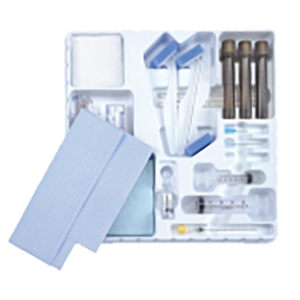
Iodinated contrast agents are specialized pharmaceutical compounds used in diagnostic imaging to enhance the visualization of blood vessels, organs, and tissue structures. These agents contain iodine atoms that absorb X-rays, creating contrast between different anatomical structures during computed tomography scans and conventional radiography.
The selection of iodinated contrast agents depends on chemical composition, osmolality, safety profile, and patient-specific risk factors. Radiologists and imaging departments balance diagnostic efficacy with cost considerations and potential adverse effects when choosing between high-osmolar, low-osmolar, and iso-osmolar formulations.
Key Takeaways
- Non-ionic low-osmolar contrast media dominate 85-90% of the market due to superior safety and efficacy
- High-osmolar agents carry 12.7% adverse reaction rates compared to 3.1% for low-osmolar formulations
- Iso-osmolar contrast media match blood osmolality at 290 mOsm/kg, minimizing physiological disruption
- Contrast-induced acute kidney injury risk requires screening patients with eGFR below 30 mL/min/1.73 m²
- The global iodinated contrast media market reached USD 3.3 billion in 2025, with 7.9% projected annual growth
What Are Iodinated Contrast Agents and How Do They Work?
Iodinated contrast agents are injectable solutions containing iodine molecules designed to temporarily increase tissue attenuation during imaging procedures. These compounds work by absorbing X-ray photons more efficiently than surrounding soft tissues, creating visible differences in radiographic density.
The effectiveness of these agents stems from iodine’s high atomic number, which provides optimal X-ray absorption characteristics. Modern formulations are engineered as either ionic or non-ionic compounds with varying osmolality levels to minimize physiological disruption.
Definition and Purpose in Diagnostic Imaging
Non-ionic low-osmolar contrast media represent monomeric structures that remain undissociated in solution with osmolality ranging from 600 to 850 mOsm/kg. These agents provide enhanced safety compared to older formulations while maintaining diagnostic accuracy across body imaging, vascular studies, and oncology protocols.
Iso-osmolar contrast media consist of non-ionic dimeric molecules with osmolality approximately 290 mOsm/kg, matching human blood plasma precisely. Ionic high-osmolar contrast media are monomeric compounds that dissociate into charged particles, producing osmolality between 1400 and 2000 mOsm/kg.
How Iodine Enhances CT and X-Ray Imaging
Iodine atoms within contrast molecules absorb X-ray photons at significantly higher rates than hydrogen, carbon, and oxygen found in soft tissues. This differential absorption creates visible density gradients that delineate vascular structures, tumors, and organ boundaries on radiographic images.
The concentration of iodine per milliliter directly correlates with image enhancement, allowing radiologists to identify pathological conditions. Contrast media enable precise visualization of blood flow patterns, tissue perfusion abnormalities, and structural lesions.
Chemical Composition and Osmolality Differences
High-osmolar formulations produce an osmolality of 1400 to 2000 mOsm/kg compared to human blood’s baseline of 290 mOsm/kg. Low-osmolar agents achieve an osmolality of 600 to 850 mOsm/kg, representing two to three times that of blood plasma.
Iso-osmolar contrast media maintain osmolality at approximately 290 mOsm/kg, eliminating osmotic gradients during intravascular injection. The osmolality ratio between high-osmolar and low-osmolar formulations reaches five to seven times the blood osmolality for ionic agents.
What Are the Main Types of Iodinated Contrast Agents?
Three primary categories of iodinated contrast agents exist based on chemical structure and osmolality characteristics. Each type offers distinct advantages and limitations regarding safety profiles, cost structures, and clinical applications.
Market adoption patterns reflect clinical evidence demonstrating superior outcomes with newer formulations. Distribution across these categories continues shifting toward safer alternatives despite cost differentials.
Ionic High-Osmolar Contrast Media (HOCM)
Ionic high-osmolar iodinate formulations currently occupy less than 5% of the global market share. These agents produce adverse reaction rates of approximately 12.7% in clinical studies.
The cost advantage of high-osmolar agents ranges from $2 to $8 per dose, significantly lower than alternatives. However, elevated nephrotoxicity risk and higher incidence of severe extravasation injuries limit their clinical use.
Non-Ionic Low-Osmolar Contrast Media (LOCM)
Non-ionic low-osmolar iodinate agents dominate 85 to 90% of current market share in developed healthcare systems. These formulations demonstrate adverse reaction rates of 3.1%, representing a fourfold safety improvement over ionic alternatives.
Omnipaque (iohexol) by GE HealthCare represents the most widely used low-osmolar agent across CT body, vascular, and oncology imaging protocols. Isovue (iopamidol) by Bracco Imaging and Optiray (ioversol) by Guerbet provide comparable safety and efficacy profiles, with dosing costs between $15 and $30.
Iso-Osmolar Contrast Media (IOCM)
Iso-osmolar formulations occupy 5 to 10% of the market, with costs ranging from $30 to over $50 per dose. Visipaque (iodixanol) by GE HealthCare remains the only widely available iso-osmolar agent in clinical practice.
This formulation is preferred for patients with elevated renal risk, including those with chronic kidney disease and diabetes. Higher viscosity requires warming before injection to ensure proper flow through automated delivery systems.
What Factors Influence the Selection of Iodinated Contrast Agents?
Selection decisions weigh multiple clinical and economic variables in determining optimal agent choice for specific patient populations. Safety considerations account for 40 to 45% of decision-making weight among radiology departments and imaging facilities.
Proper administration protocols significantly influence both imaging outcomes and patient safety metrics. Image quality and diagnostic efficacy contribute 30 to 35% to the selection criteria.
Safety Profiles and Adverse Reactions
High-osmolar agents demonstrate significantly elevated rates of adverse reactions compared to modern formulations. Nephrotoxicity risk increases substantially with ionic high-osmolar formulations, particularly in patients with pre-existing renal impairment.
Low-osmolar agents reduced adverse reaction incidence from historical 12.7% rates to current 3.1% levels. Iso-osmolar formulations minimize osmotic stress on vascular endothelium and renal tubular structures.
Image Quality and Diagnostic Efficacy
Iodine concentration measured in milligrams per milliliter determines vascular attenuation and tissue enhancement characteristics. All three formulation types provide adequate diagnostic accuracy when properly dosed for specific clinical indications.
Differences in image quality between low-osmolar and iso-osmolar agents remain clinically insignificant in most applications. Iodine-based agents deliver consistent enhancement across varied anatomical regions and pathological conditions.
Cost Considerations and Healthcare Economics
Cost and economic factors influence 15 to 20% of contrast agent selection decisions across healthcare systems. High-osmolar formulations initially cost 13 to 24 times less than low-osmolar alternatives in the United States markets.
Routine use of premium iso-osmolar agents in general low-risk populations is not considered cost-effective by health economics analyses. Strategies to reduce contrast media costs focus on appropriate patient risk stratification and selective premium agent use.
Patient-Specific Risk Factors
Patient risk factors contribute 10 to 15% weight in contrast agent selection frameworks. High-risk thresholds for contrast-induced acute kidney injury include estimated glomerular filtration rate below 30 mL/min/1.73 m².
Elderly patients present elevated risks for renal complications following contrast administration. Additional risk factors include diabetes mellitus, dehydration, concurrent nephrotoxic medication use, and multiple contrast exposures.
How Is Iodinated Contrast Media Used Across Different Populations and Regions?
Global utilization patterns demonstrate significant geographic variation in contrast agent adoption and procedural volume growth. Mean year-over-year contrast volume increased 5.2% between 2014 and 2019 across developed healthcare markets.
CT procedure growth exceeds 8% annually, driving expanded demand for iodinated formulations. Demographic factors and healthcare infrastructure development influence regional adoption rates.
Usage Patterns by Age and Health Condition
Patients over age 65 account for disproportionately high volumes of contrast-enhanced imaging procedures. Chronic disease prevalence, including cardiovascular conditions, cancer, and neurological disorders, increases with advancing age.
Elderly populations require careful risk assessment due to higher baseline rates of renal insufficiency. Diabetic patients and those with existing kidney disease necessitate enhanced safety protocols and agent selection.
Geographic Adoption and Market Trends
North America dominated the global contrast media market with 38.92% revenue share in 2025. Asia Pacific regions demonstrate projected compound annual growth rates of 9.5% through 2031.
In 1988, only 15 to 20% of contrast injections utilized low-osmolar formulations due to cost barriers. By 1994, approximately 60% of radiologists adopted universal low-osmolar policies despite unfavorable reimbursement environments.
Urban Versus Rural Access to Contrast-Enhanced Imaging
Urban medical centers equipped with comprehensive diagnostic facilities demonstrate higher per capita utilization of advanced contrast procedures. Rural areas face limitations in onsite technical staff availability and access to sophisticated imaging equipment.
Geographic disparities in imaging access sometimes necessitate patient transfers to urban facilities for specialized diagnostic studies. Infrastructure development in emerging markets continues to expand rural access to contrast-enhanced imaging capabilities.
What Are the Procedural Aspects of Administering Iodinated Contrast Agents?
Proper administration techniques ensure optimal image quality while minimizing patient risk and adverse outcomes. Iso-osmolar agents require warming before injection due to higher viscosity compared to low-osmolar formulations.
Gastrografin (diatrizoate meglumine/sodium) provides oral and rectal iodinated contrast when barium is contraindicated, including suspected bowel perforation scenarios. Administration occurs 1 to 2 hours before CT scanning when intravenous contrast alone provides insufficient bowel opacification.
Preparation and Injection Techniques
Automated contrast injectors deliver precise volumes and controlled flow rates during CT procedures. Temperature adjustment protocols for high-viscosity agents prevent injection pressure complications.
Intravenous access verification prevents extravasation during power injection sequences. Storage and handling protocols maintain agent stability and prevent contamination.
Contrast Media Dosing and Volume Control
Dosing calculations account for patient body weight, renal function status, and specific diagnostic indications. Volume adjustments minimize total iodine load in patients with marginal kidney function.
Injection timing synchronizes with arterial, venous, or delayed phase imaging requirements. Flow rate optimization ensures adequate vascular enhancement without causing injection site complications.
Protocols for High-Risk Patients
Patients must be screened for contrast-induced acute kidney injury risk factors before administration. Primary screening identifies pre-existing severe renal insufficiency and acute kidney injury.
For high-risk patients, intravenous volume expansion with isotonic saline (0.9% NaCl) represents the primary preventive strategy. Iso-osmolar formulations may be considered for patients with eGFR below 30 mL/min/1.73 m², though proper hydration remains essential.
What Risks and Adverse Effects Are Associated With Iodinated Contrast Agents?
Contrast risks vary significantly between formulation types, with ionic high-osmolar agents demonstrating the highest complication rates. Modern low-osmolar and iso-osmolar formulations substantially reduced adverse event incidence compared to historical alternatives.
Allergic reactions to contrast require pretreatment protocols in patients with documented prior hypersensitivity. Risk stratification identifies patients requiring enhanced monitoring and intervention readiness.
Allergic-Like Reactions and Hypersensitivity
Immediate hypersensitivity reactions range from mild cutaneous manifestations to severe anaphylactoid responses. Non-ionic formulations demonstrate significantly lower allergic-like reaction rates compared to ionic alternatives.
Prior contrast reaction history increases subsequent reaction risk, necessitating premedication with corticosteroids and antihistamines. Emergency protocols must be immediately available during all contrast-enhanced procedures.
Contrast-Induced Acute Kidney Injury (CI-AKI)
Risk of contrast-induced acute kidney injury increases in patients with baseline renal impairment and diabetes. Differences in nephrotoxicity between low-osmolar and iso-osmolar agents are minimal when proper hydration is employed.
Renal safety depends primarily on adequate intravenous fluid administration before and after contrast exposure. Monitoring serum creatinine 48 to 72 hours post-procedure identifies delayed kidney injury.
Extravasation and Tissue Toxicity
Severe extravasation injuries occurred more frequently with high-osmolar formulations due to elevated osmolality. Extravasation tissue toxicity results from contrast leakage into perivascular soft tissues during injection.
Immediate recognition and intervention minimize tissue damage from extravasation events. Conservative management with elevation and cold compresses resolves most minor extravasation complications.
How Do Clinical Guidelines and Cost-Benefit Analyses Guide the Use of Iodinated Contrast Agents?
American College of Radiology contrast media guidelines provide evidence-based frameworks for agent selection and administration protocols. Risk stratification systems identify patients requiring specialized preventive measures and alternative formulations.
Universal low-osmolar use represents the recommended standard of care for all routine intravascular procedures. Comprehensive guidance on contrast agents informs clinical decision-making across diverse patient populations.
Overview of ACR Contrast Media Guidelines
The ACR Manual on Contrast Media establishes evidence-based standards for contrast administration and complication management. Guidelines recommend non-ionic low-osmolar formulations as the baseline standard for intravascular use.
Patient screening protocols identify individuals at elevated risk for adverse reactions and nephrotoxicity. Documentation requirements ensure proper informed consent and risk communication.
Risk Stratification and Prevention Strategies
Primary screening focuses on identifying severe renal insufficiency and acute kidney injury before contrast administration. Patients with eGFR below 30 mL/min/1.73 m² require enhanced preventive protocols.
Intravenous volume expansion with isotonic saline represents the most effective preventive intervention for contrast-induced kidney injury. Iso-osmolar formulations may provide marginal additional protection in the highest-risk populations.
Economic Evaluations of LOCM Versus IOCM
Incremental cost-effectiveness of iodixanol versus iopamidol reaches $14,660 per additional life year gained in high-risk populations. This threshold falls within accepted standards for cost-effective medical interventions.
Economic analyses demonstrate overall healthcare cost savings from reduced major adverse renal and cardiac events. Selective iso-osmolar use in high-risk patients optimizes resource allocation while maintaining population-level safety.
Market Dynamics, Types, and Risk Profiles of Iodinated Contrast Agents
The global contrast media market size reached USD 7.31 billion to USD 7.65 billion in 2025. The market is projected to reach USD 12.08 billion by 2031, representing a compound annual growth rate of 7.9% from 2026 to 2031.
The iodinated contrast media segment was valued at approximately USD 3.3 billion in 2025. This segment accounted for 55% market share in 2026, driven by expanding CT utilization worldwide.
Iodinated contrast agents remain essential tools in modern diagnostic imaging, with formulation selection balancing safety, efficacy, and economic considerations. The transition from high-osmolar to low-osmolar agents over the past three decades represents one of radiology’s most significant safety improvements, reducing adverse reactions by more than 75% while maintaining diagnostic accuracy. Understanding the distinctions between ionic high-osmolar, non-ionic low-osmolar, and iso-osmolar formulations enables imaging professionals to optimize patient outcomes through evidence-based agent selection and risk-appropriate administration protocols.
Spectrum Medical Imaging Co. is a trusted Ultravist supplier that supports imaging departments with comprehensive access to contrast media supplies and clinical expertise. Partner with established suppliers who understand the operational demands of maintaining consistent contrast availability while controlling costs through strategic vendor relationships and efficient supply chain management.
Keep Your Contrast Media Supply Consistent and Cost-Controlled
Spectrum Medical Imaging Co. has supplied hospitals, imaging centers, and outpatient facilities across the West Coast with iodinated contrast media for over 30 years. Whether your department relies on Omnipaque, Isovue, Visipaque, or other contrast agents, we help you maintain consistent availability, manage costs, and keep your protocols running without interruption. Our team understands the operational demands of high-volume imaging departments and works with you to build a supply strategy that fits your patient population and procedural volume. Contact us to speak with a contrast media specialist.