How Contrast Media Enhances Diagnostic Accuracy in CT, MRI & Ultrasound

Written by: Spectrum Xray /
/
April 1, 2026

Contrast media transform diagnostic imaging by artificially altering tissue contrast to reveal pathologies invisible on standard scans. These pharmaceutical agents enable radiologists to detect tumors, characterize vascular abnormalities, and assess organ perfusion with precision that improves patient outcomes. The global contrast media market reached USD 7.65 billion in 2025 and continues expanding at 7.9% annually, driven by rising chronic disease prevalence and technological advancements. Understanding how each agent type functions across modalities helps imaging departments optimize diagnostic accuracy while maintaining safety standards.


Key Takeaways

  • Iodinated contrast agents dominate 55-71% of the market and enhance CT imaging through X-ray absorption
  • Gadolinium-based agents improve MRI visualization by altering the magnetic properties of nearby water molecules
  • Microbubble agents provide real-time ultrasound perfusion imaging without ionizing radiation exposure
  • Group II macrocyclic GBCAs demonstrate superior safety profiles with minimal nephrogenic systemic fibrosis risk
  • Contrast-enhanced CT achieves 77% sensitivity and 74% diagnostic accuracy for colorectal cancer lymph node detection

What Are Contrast Media and Their Primary Types?

Contrast media encompasses pharmaceutical compounds administered during imaging procedures to enhance the visualization of internal structures. The three primary categories—iodinated agents for CT, gadolinium compounds for MRI, and microbubbles for ultrasound—each operate through distinct physical mechanisms suited to their respective modalities.

What Are Iodinated Contrast Agents and Their Uses?

Iodinated contrast media work by absorbing X-rays, increasing the contrast of structures where administered, and enabling clear visualization of blood vessels and organs. These agents hold 55% to 71.52% of the total market share, reflecting their essential role in contrast media applications. Omnipaque (iohexol) by GE HealthCare remains the most widely used low-osmolar nonionic iodinated agent. Isovue (iopamidol) by Bracco Imaging serves as another low-osmolar nonionic agent used broadly in contrast-enhanced CT across chest, abdomen, and pelvis examinations.

Optiray (ioversol) by Guerbet represents a low-osmolar nonionic iodinated agent with comparable safety and efficacy to iohexol-based agents. Visipaque (iodixanol) by GE HealthCare is the primary iso-osmolar iodinated agent, with osmolality equal to blood plasma, making it a preferred option for patients at elevated risk of contrast-associated acute kidney injury. The market transition from high-osmolar to low-osmolar formulations significantly reduced adverse reaction rates. Large healthcare systems average USD 30 per patient dose for standard iodinated agents, while premium iso-osmolar formulations cost USD 35-45 per dose.

How Do Gadolinium-Based Contrast Agents Work in MRI?

Gadolinium-based contrast agents alter the magnetic properties of nearby water molecules, enhancing MRI image quality by shortening T1 relaxation times and increasing signal intensity. The GBCA market, valued at USD 2.0 billion in 2026, is projected to reach USD 2.57 billion by 2030. Gadolinium-based agents account for approximately 10% of the overall contrast media market share. The neurology segment holds 38.8% of GBCA revenue share, driven by demand for brain tumor characterization and multiple sclerosis monitoring.

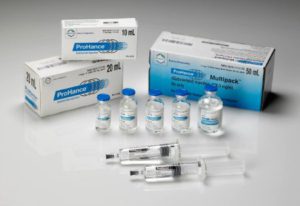
Gadavist (gadobutrol) by Bayer represents a macrocyclic GBCA with Group II classification under ACR guidelines, used widely across CNS, body, and vascular MRI protocols. Dotarem (gadoterate meglumine) by Guerbet and ProHance (gadoteridol) by Bracco are additional Group II macrocyclic GBCAs widely used in neuroimaging and body MRI protocols. Macrocyclic agents demonstrate higher kinetic stability compared to linear formulations, reducing gadolinium release and tissue deposition risks. Premium gadolinium agents cost USD 55-70 per dose versus standard gadolinium at USD 40-50.

What Are Ultrasound Microbubble Contrast Agents?

Microbubble contrast agents increase backscatter of sound waves for ultrasound visualization, enabling real-time assessment of organ perfusion and microvasculature without ionizing radiation. The CEUS market, estimated at USD 2.1 billion in 2024, is projected to reach USD 2.7 billion by 2030. Definity (perflutren lipid microspheres) by Lantheus Medical Imaging serves as the primary cardiac and left ventricular opacification CEUS agent. Lumason (sulfur hexafluoride lipid-type A microspheres) by Bracco targets liver and abdominal CEUS applications with FDA-approved indications for adult and pediatric use.

Microbubbles provide distinct advantages through their excellent safety profile and lack of nephrotoxicity concerns. Cost per dose ranges from USD 30 to 40, offering unique diagnostic capabilities unavailable through CT or MRI.

Why Is Contrast Media Critical for Diagnostic Accuracy?

Contrast media fundamentally transform diagnostic capabilities by revealing pathologies invisible on non-enhanced imaging. The ability to differentiate hypervascular tumors from surrounding parenchyma, detect vascular abnormalities, and assess organ perfusion directly impacts treatment planning and patient outcomes. Without contrast enhancement, many life-threatening conditions, including pulmonary embolism, aortic dissection, and occult malignancies, would remain undetected until symptomatic progression.

How Does Contrast Media Improve CT Imaging?

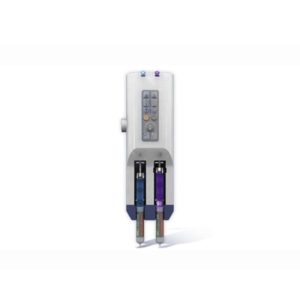
Contrast-enhanced CT showed 77% sensitivity, 70% specificity, and 74% diagnostic accuracy for colorectal cancer lymph node detection. The CT segment is expected to register the highest CAGR of 8.2% among all imaging modalities, driven by emergency department utilization and trauma protocols. Iodinated agents opacify blood vessels and highlight hypervascular lesions, enabling the detection of hepatic metastases measuring under 1 centimeter. Optimizing CT contrast protocols requires precise timing between injection and image acquisition to capture peak enhancement phases.

Dual-energy CT techniques combined with iodinated contrast enable virtual non-contrast reconstruction and material decomposition, reducing radiation exposure while maintaining diagnostic accuracy. Automated injection protocols and personalized contrast dosing algorithms continue improving image quality while minimizing contrast volume and adverse event risks.

How Does Contrast Enhance MRI Visualization?

Gadolinium-based agents cross disrupted blood-brain barriers to highlight areas of inflammation, infection, and neoplastic growth invisible on non-enhanced sequences. Contrast-enhanced MRI provides excellent diagnostic test accuracy for detecting perineural spread in head and neck cancers, critical for surgical planning. The integration of MRI contrast with advanced sequences, including diffusion-weighted imaging, enables comprehensive tumor characterization. Studies demonstrate that combining contrast-enhanced CT with MRI significantly enhances diagnostic accuracy for colorectal liver metastases.

Dynamic contrast-enhanced MRI techniques track gadolinium kinetics to assess tissue perfusion and vascular permeability, providing functional information beyond anatomic visualization. Abbreviated MRI protocols using contrast-enhanced sequences enable breast cancer screening in high-risk populations with sensitivity exceeding mammography.

What Role Does Contrast Play in Ultrasound Imaging?

Microbubbles provide real-time perfusion imaging without ionizing radiation versus CT/X-ray agents. Contrast-enhanced ultrasound demonstrates superior accuracy for characterizing focal liver lesions compared to non-enhanced ultrasound, approaching CT and MRI diagnostic performance. The real-time nature of CEUS enables dynamic assessment of tumor vascularity, helping differentiate benign from malignant lesions. Advanced applications include monitoring anti-angiogenic therapy response by quantifying microvascular perfusion changes.

CEUS-guided biopsies improve targeting accuracy by visualizing viable tumor regions and avoiding necrotic areas. The absence of nephrotoxicity concerns makes microbubble agents particularly valuable for patients with renal impairment. Cardiac applications include left ventricular opacification in patients with suboptimal acoustic windows.

How Do Safety Profiles Vary Among Contrast Media Types?

Safety considerations fundamentally influence agent selection, with distinct risk profiles characterizing iodinated, gadolinium-based, and microbubble categories. Radiologists prioritize safety at 95% importance when selecting agents, reflecting the critical balance between diagnostic benefit and potential adverse outcomes.

What Are the Common Adverse Reactions and Risks?

Contrast-Associated Acute Kidney Injury (CA-AKI) represents the most significant concern with iodinated agents, particularly in patients with pre-existing renal impairment or diabetes. Nephrogenic Systemic Fibrosis in patients with severe renal impairment historically occurred with linear gadolinium agents before the widespread adoption of macrocyclic formulations. Hypersensitivity reactions range from mild urticaria to life-threatening anaphylaxis, requiring immediate recognition and treatment. Gadolinium deposition in brain tissue occurs with all GBCA formulations, though clinical significance remains unclear for Group II macrocyclic agents.

Nearly all life-threatening contrast reactions occur within the first 20 minutes after administration, necessitating observation protocols and immediate access to emergency medications. Facilities must maintain emergency equipment, including epinephrine, antihistamines, and corticosteroids. Staff training on managing contrast media allergic reactions through standardized protocols reduces response times.

How Is Pediatric Use of Contrast Media Different?

Pediatric acute GBCA ADR rate measures 0.25% for physiologic reactions and 0.13% for allergic-like reactions. The pediatric delayed ADR rate reaches only 0.04%, significantly lower than that of adult populations. Zero NSF cases were reported in the pediatric meta-analysis covering 4,895 patients. The comprehensive meta-analysis covered 112,760 pediatric examinations, providing robust safety data.

Acute allergic-like reaction incidence proves lower in pediatric versus adult populations. Both iodinated and gadolinium-based materials demonstrate excellent safety profiles for pediatric imaging when weight-based dosing protocols are followed. Radiation exposure concerns make ultrasound enhancement through microbubbles particularly attractive for pediatric applications.

What Are Guidelines for Managing Contrast-Associated Kidney Injury?

Intravenous volume expansion with isotonic fluids (0.9% normal saline) is recommended for high-risk CA-AKI patients. Iso-osmolar agents potentially have lower renal risk versus standard nonionic agents. Current guidelines recommend targeted eGFR assessment based on specific risk factors rather than universal screening. Patients with eGFR below 30 mL/min/1.73 m² require careful consideration before iodinated contrast administration.

Prophylactic hydration protocols typically involve administering 1-1.5 mL/kg/hour of isotonic saline beginning 1-2 hours before contrast exposure and continuing 4-6 hours afterward. Discontinuing nephrotoxic medications, including NSAIDs, before scheduled procedures reduces cumulative renal insult. Post-procedure serum creatinine monitoring at 48-72 hours enables early CA-AKI detection.

What Factors Influence the Selection of Contrast Media in Clinical Practice?

Agent selection involves complex decision-making incorporating safety profiles, diagnostic efficacy, institutional formulary restrictions, and economic considerations. Evidence-based agent selection aligned with specific diagnostic indications rather than default institutional preferences optimizes outcomes.

How Do Safety and Efficacy Affect Choice?

Safety importance scores 95% among radiologists surveyed regarding agent selection priorities. Efficacy importance measures 88% among radiologists, acknowledging that diagnostic quality directly impacts clinical decision-making. Low-osmolar and iso-osmolar nonionic agents offer improved safety profiles versus high-osmolar agents. Macrocyclic GBCAs have higher kinetic stability versus linear agents, reducing free gadolinium release.

The 2025 ACR Manual updates reflect evolving evidence regarding the critical role of CT and MRI contrast media safety profiles. Group II agent selection has become standard practice for patients with renal impairment due to substantially lower NSF risk.

What Is the Impact of Availability and Cost?

Availability importance scores 75% among radiologists, reflecting recent supply chain disruptions that forced procedure delays. Cost importance measures 70% among radiologists, though safety and efficacy considerations typically override economic factors. Large healthcare systems average USD 30 per patient dose for standard iodinated agents. Premium gadolinium agents cost USD 55-70 versus standard gadolinium, which costs USD 40-50 per dose.

GE HealthCare is investing USD 138 million to increase production by 25 million patient doses annually at its Cork, Ireland, facility, addressing recent shortages. Supply chain resilience has become a critical vendor selection criterion. Institutional formulary decisions increasingly weigh the total cost of ownership, including adverse event management expenses.

How Do Demographic and Regional Differences Affect Usage?

North America accounts for 38.92% of the market share in 2025, driven by high imaging utilization rates. Asia Pacific has been identified as the fastest-growing market versus North America’s dominance. Urban centers account for the vast majority of contrast media consumption versus rural areas. Rural areas face challenges with accessibility and care standardization.

Regional formulary preferences reflect local clinical practice patterns, regulatory environments, and reimbursement structures. Developing markets demonstrate growing adoption of generic iodinated agents that offer cost advantages.

How Are Updates in Clinical Guidelines Shaping Contrast Media Use?

Clinical guidelines from professional societies, including the American College of Radiology, provide evidence-based recommendations that standardize safe practice. The 2025 ACR Manual updates reflect evolving evidence regarding CA-AKI risk stratification, GBCA safety profiles, and hypersensitivity management. These updates influence institutional protocols and clinician behaviors, impacting patient safety and diagnostic quality.

What Are the 2025 ACR Manual’s Key Recommendations?

Assessment of renal function is optional before Group II GBCA administration based on updated evidence demonstrating minimal NSF risk with macrocyclic agents. Targeted eGFR assessment based on specific risk factors rather than universal screening reduces unnecessary testing. The guidelines recommend against routine prophylactic medication for patients with prior mild contrast reactions. Volume expansion protocols for CA-AKI prevention focus on high-risk patients with eGFR below 30 mL/min/1.73 m².

Updated hypersensitivity management protocols eliminate routine premedication for mild prior reactions. The manual emphasizes that diagnostic imaging outcomes depend on appropriate agent selection matched to clinical indication and patient-specific risk factors.

How Are GBCA Classifications Affecting Clinical Decisions?

Group I Agents are GBCAs associated with the greatest number of NSF cases, carrying FDA contraindications for patients with severe renal impairment. Magnevist (gadopentetate dimeglumine) by Bayer is a linear GBCA classified as a Group I agent and is associated with the highest documented NSF incidence among GBCAs. Group II Agents are GBCAs associated with few, if any, unconfounded cases of NSF. Group III Agents have provisional status for newer formulations pending real-world data accumulation. Group II agents have lower NSF risk compared to Group I agents.

Linear agents show a regression coefficient of 0.004 for gadolinium deposition versus 0.0004 for macrocyclic formulations. The classification system enables risk-stratified agent selection aligned with patient-specific vulnerability profiles. Institutional policies increasingly restrict Group I agent use.

What Are Current Practices for Managing Hypersensitivity?

Direct switch to alternative low-osmolar contrast medium for mild hypersensitivity reactions replaces previous premedication strategies. Facilities must be equipped to treat severe reactions within the first 20 minutes after injection. Emergency medication carts contain epinephrine, antihistamines, corticosteroids, bronchodilators, and intravenous fluids. Staff competency verification through annual simulation training ensures an appropriate response.

Documentation protocols capture reaction severity, timing, symptoms, and interventions to inform future agent selection. Alternative agent selection for patients with prior reactions considers cross-reactivity patterns. Observation periods following contrast administration enable early detection before patients leave healthcare facilities.

How Does Contrast Media Market Dynamics Reflect Usage Trends?

Market growth patterns, competitive dynamics, and pricing structures provide insight into clinical utilization trends. Understanding market forces helps imaging departments anticipate supply availability, negotiate pricing, and plan capital allocation.

What Are the Growth Drivers for Contrast Media Globally?

The global contrast media market, valued at USD 7.65 billion in 2025, reflects widespread adoption. The market is projected to reach USD 8.20 billion in 2026, demonstrating consistent expansion. The expected CAGR of 7.9% from 2026 to 2031 indicates sustained demand growth. The forecasted valuation of USD 12.08 billion by 2031 assumes continued disease burden increases.

Alternative projection of USD 13.86 billion by 2033 with a CAGR of 8.39% reflects optimistic scenarios. Rising chronic disease prevalence, including cardiovascular conditions, cancer, and neurological disorders, drives imaging volume growth. Technological advances in CT and MRI equipment enable new clinical applications.

Which Contrast Agents Dominate Market Share?

Iodinated agents maintain a dominant market position through their essential role in emergency imaging protocols. Omnipaque (iohexol) by GE HealthCare represents the most widely prescribed iodinated agent globally. Gadolinium-based agents capture specialized segments, including neuroimaging and oncology surveillance. Microbubble agents demonstrate the fastest growth rates despite a smaller absolute market share.

Generic iodinated formulations increasingly capture market share in price-sensitive regions. Regional preferences vary based on local clinical practice patterns and regulatory approvals. Market concentration among major manufacturers creates supply vulnerability.

How Are Pricing and Manufacturer Competition Structured?

GE HealthCare is investing USD 138 million to increase production by 25 million patient doses annually, addressing supply constraints. The Cork, Ireland, facility expansion demonstrates the manufacturer’s commitment to capacity enhancement. Competitive pricing pressure from generic manufacturers forces brand-name producers to demonstrate value. Bulk purchasing agreements enable large healthcare systems to negotiate favorable pricing.

Value-based contracting models increasingly incorporate quality metrics, including adverse event rates. Manufacturer competition focuses on safety differentiation and clinical data generation. Distribution relationships influence vendor selection as healthcare systems minimize inventory carrying costs.

What Are the Practical Considerations for Optimizing Diagnostic Outcomes?

Optimal contrast media utilization requires integrating agent selection, administration technique, imaging protocol optimization, and patient preparation strategies. Practical workflow considerations directly impact image quality, patient safety, and operational efficiency.

How Are Contrast Media Administered Safely?

Safe administration requires patient screening for renal function, prior reactions, and relevant comorbidities. Weight-based dosing protocols ensure adequate enhancement while minimizing unnecessary contrast volume. Automated injection systems deliver precise timing and flow rates optimized for specific clinical indications. Proper venous access site selection prevents extravasation complications.

Patient hydration assessment before contrast administration identifies high-risk individuals requiring prophylactic protocols. Post-injection monitoring during the critical first 20 minutes enables early detection of acute reactions. Documentation of contrast type, volume, and lot number supports adverse event investigation.

What Techniques Enhance Imaging Quality Across Modalities?

Bolus timing optimization through test bolus or automated triggering ensures image acquisition during peak enhancement phases. Dual-energy CT techniques enable virtual monoenergetic reconstructions that optimize iodine conspicuity. MRI sequence selection requires adjustment based on gadolinium agent pharmacokinetics. The CEUS technique incorporates low mechanical index imaging and destruction-replenishment protocols.

Patient positioning and breath-hold coaching minimize motion artifacts. Technologist training on protocol customization based on patient habitus and clinical indication impacts diagnostic confidence. Quality assurance programs monitor enhancement adequacy and identify protocol adjustments.

How Does Combined Modalities Improve Diagnostic Accuracy?

Multimodality imaging protocols combining CT and MRI with complementary contrast agents provide a comprehensive diagnostic assessment exceeding single-modality capabilities. Contrast-enhanced CT provides rapid whole-body staging, while subsequent MRI characterizes indeterminate lesions. Functional imaging, including perfusion studies, adds physiologic information beyond anatomic visualization. CEUS-guided procedures enable real-time targeting while avoiding radiation exposure.

PET-CT and PET-MRI hybrid systems incorporate contrast-enhanced anatomic imaging with metabolic information. Sequential imaging studies using different contrast agents require careful timing. Protocol standardization across modalities facilitates comparison and integration of complementary information.

Integrating Contrast Media to Maximize Diagnostic Value in CT, MRI & Ultrasound

Contrast media remain essential for modern diagnostic imaging, enabling the detection and characterization of pathologies that would otherwise remain invisible. The transition toward safer macrocyclic gadolinium agents and iso-osmolar iodinated formulations demonstrates the field’s commitment to minimizing adverse events while maintaining diagnostic excellence. As imaging technology continues advancing, evidence-based agent selection aligned with patient-specific risk profiles will remain paramount.

Healthcare systems pursuing operational excellence recognize that contrast media represent far more than a commodity pharmaceutical product. Strategic partnerships with knowledgeable suppliers who understand both clinical requirements and supply chain complexities enable imaging departments to maintain uninterrupted operations while optimizing quality and cost. 

Spectrum Medical Imaging Co. brings over 30 years of experience supporting radiology departments with comprehensive contrast media solutions backed by prime dealer relationships with leading manufacturers, including GE HealthCare, Guerbet, and Bracco Imaging.

The future of diagnostic imaging depends on reliable access to high-quality contrast agents, expert guidance on protocol optimization, and responsive technical support. Imaging leaders seeking to enhance diagnostic capabilities while controlling costs benefit from consolidated vendor relationships that simplify logistics and leverage purchasing power. 

Keep Your Imaging Department Stocked and Running

Spectrum Medical Imaging Co. has supported hospitals, imaging centers, and specialty practices across the West Coast for over 30 years. We supply contrast media from leading manufacturers—including Omnipaque, Isovue, Optiray, Gadavist, Dotarem, Lumason, and more—with 24–48 hour shipping so your department never misses a scan. Our team provides expert guidance on agent selection, protocol compliance, and cost management, backed by prime dealer relationships that let us beat any competitor’s pricing. Contact us at Spectrum Medical Imaging Co. to get started.

Latest Articles

Edit Post Site Icon Template Library Edit with Elementor Gadolinium-Based Contrast Agents Explained · Post Ctrl+K Save draft Publish Gadolinium-Based Contrast Agents Explained Gadolinium contrast agents represent a critical component of modern diagnostic imaging for healthcare facilities managing high-volume MRI operations. These pharmaceutical compounds enhance tissue differentiation by altering magnetic relaxation times, enabling radiologists to identify pathologies invisible on unenhanced scans. The global market reached $1.57 billion in 2025, with annual administrations estimated between 12 and 18 million procedures in the United States alone. Understanding GBCA selection directly impacts patient safety protocols, operational costs, and diagnostic accuracy across hospital systems and outpatient imaging centers. Recent regulatory guidance has shifted clinical practice toward macrocyclic agents due to superior stability profiles, while emerging low-dose formulations promise reduced gadolinium exposure without compromising image quality. This guide provides decision-makers with evidence-based analysis of chemical structures, safety comparisons, pricing tiers, and regulatory developments shaping GBCA procurement strategies. Key Takeaways Macrocyclic GBCAs provide superior stability and minimal retention compared to linear agents Neurological disorders represent 35% of the GBCA market share, followed by cardiovascular imaging at 28% Bayer AG leads the market with 28% share, followed by Bracco Imaging at 24% Mid-range tier agents cost $85-100 per dose, while premium agents range from $130-140 per dose Gadopiclenol delivers equivalent image quality at half the standard dose (0.05 mmol/kg) What Are Gadolinium-Based Contrast Agents? Gadolinium-based contrast agents are pharmaceutical compounds containing the paramagnetic metal gadolinium chelated within organic ligand structures. These agents improve MRI diagnostic accuracy by shortening T1 and T2 relaxation times in tissues where they accumulate. The chelation structure prevents free gadolinium ions from causing toxicity while maintaining the metal's magnetic properties essential for MRI enhancement. Chemical stability depends on ligand structure, binding strength, and ionic characteristics of the compound. Linear agents feature open-chain flexible ligands with weaker binding, while macrocyclic agents use cage-like rigid structures providing stronger gadolinium retention. This structural difference directly influences safety profiles, tissue retention rates, and regulatory classifications guiding clinical use. How Do GBCAs Enhance MRI Imaging? GBCAs enhance MRI imaging by shortening T1 relaxation times in tissues, creating brighter signal intensity on T1-weighted sequences. The paramagnetic properties of gadolinium create local magnetic field disturbances that accelerate hydrogen proton realignment after radiofrequency pulse excitation. This acceleration produces a stronger contrast between normal and pathological tissues, particularly in highly vascularized lesions. The enhancement effect depends on gadolinium concentration, tissue perfusion rates, and agent relaxivity characteristics. Ultra-high relaxivity agents provide 2-3 times greater signal enhancement per molecule compared to standard formulations, enabling reduced dose administration. Neuroimaging contrast applications particularly benefit from this improved tissue differentiation, revealing subtle abnormalities in brain parenchyma and vascular structures. What Are the Main Chemical Structures of GBCAs? Linear agents have open-chain flexible ligand structures that allow greater molecular movement and weaker gadolinium binding. Macrocyclic agents have cage-like, rigid ligand structures that trap gadolinium ions within stable molecular frameworks. This structural difference determines stability profiles, with macrocyclic agents demonstrating significantly lower dissociation rates in physiological conditions. Ionic agents have higher osmolality and higher stability compared to nonionic formulations. Nonionic agents have lower osmolality and more comfortable injection profiles, reducing adverse reactions at the injection site. Ultra-high relaxivity agents provide 2-3 times higher relaxivity than standard formulations, enabling diagnostic image quality at half the conventional dose. Why Are GBCAs Used in Clinical Practice? GBCAs are used in clinical practice to detect pathologies invisible on unenhanced MRI scans, including tumors, inflammation, and vascular abnormalities. These agents enable radiologists to characterize lesion margins, assess tissue perfusion, and differentiate benign from malignant processes. Approximately 30-45% of the 40 million annual MRI procedures in the United States utilize contrast enhancement for improved diagnostic accuracy. The clinical decision to administer contrast depends on the anatomical region, suspected pathology, and patient risk factors. High-risk populations, including those with renal impairment, require careful agent selection to minimize adverse outcomes. The critical role of CT and MRI contrast media in patient diagnosis extends across multiple specialties, from oncology to neurology. Which Medical Conditions Benefit Most from GBCAs? Neurological disorders represent 35% of the GBCA market share, driven by brain tumor imaging, stroke evaluation, and multiple sclerosis monitoring. Cardiovascular imaging accounts for 28% market share, including myocardial perfusion studies and coronary artery assessments. Cancer imaging represents 18% market share, with applications in tumor staging, treatment response evaluation, and metastasis detection. Musculoskeletal disorders comprise 10% market share, focused on joint abnormalities, soft tissue masses, and spinal pathology. Abdominal imaging accounts for 6% market share, primarily for liver lesion characterization and pancreatic disease evaluation. The remaining 3% includes specialized applications across various organ systems requiring enhanced tissue differentiation. How Are GBCAs Utilized Among Different Patient Groups? Annual MRI procedures in the United States reach approximately 40 million examinations across all patient populations. The percentage using GBCAs ranges from 30-45%, depending on clinical indication and institutional protocols. Estimated annual GBCA administrations total 12-18 million doses, representing substantial pharmaceutical utilization within diagnostic imaging operations. Geriatric populations demonstrate the highest utilization rates due to increased chronic disease prevalence and oncologic surveillance needs. Pediatric applications are increasing, with a strong preference for macrocyclic agents to minimize long-term retention risks. Safety-first approaches to managing contrast allergies in high-risk patients require specialized protocols for those with previous adverse reactions or compromised renal function. What Are the Key Differences Between Linear and Macrocyclic GBCAs? Linear and macrocyclic GBCAs differ fundamentally in molecular structure, binding stability, and safety profiles during clinical use. Linear agents feature open-chain ligands with moderate binding strength, allowing greater gadolinium dissociation in physiological environments. Macrocyclic agents employ rigid cage-like structures that trap gadolinium ions within stable molecular frameworks, preventing release. These structural differences translate into distinct clinical safety profiles and regulatory classifications guiding agent selection. Market trends show declining linear agent use as institutions transition toward macrocyclic formulations to reduce liability exposure. The role of iodine-based and gadolinium-based agents in diagnostics requires understanding both agent classes for comprehensive imaging protocols. How Do Stability and Safety Profiles Compare? Linear agents have weak to moderate binding strength, while macrocyclic agents have very strong binding strength that resists dissociation. Linear agents have lower stability in physiological conditions versus macrocyclic agents, which maintain high stability across temperature and pH ranges. Linear agents carry high NSF risk (Group I classification) while macrocyclic agents demonstrate very low NSF risk (Group II classification). Linear agents show high tissue retention patterns, including brain deposition, while macrocyclic agents exhibit minimal retention with faster clearance. Linear agents are declining or phasing out of institutional formularies versus macrocyclic agents, which are dominant and growing. Gadolinium MRI contrast safety for patients with kidney disease requires exclusive use of macrocyclic formulations in renal-impaired populations. What Are Examples of Common Linear and Macrocyclic Agents? Among linear agents, Magnevist (gadopentetate dimeglumine) by Bayer carries a Group I NSF classification under ACR guidelines—the highest-risk category—and is contraindicated for patients with renal impairment. MultiHance (gadobenate dimeglumine) by Bracco is an ionic linear agent with higher relaxivity than standard linear formulations; however, like Magnevist, it is subject to institutional phase-out as facilities transition to macrocyclic protocols. Macrocyclic agents include Gadavist (gadobutrol) by Bayer, classified as Group II under ACR guidelines and used widely across CNS imaging. Dotarem (gadoterate meglumine) by Guerbet maintains an established Group II safety profile, frequently selected for patients with borderline renal function. ProHance (gadoteridol) by Bracco is used across CNS, spine, and body MRI applications with similar safety characteristics. Elucirem (gadopiclenol) by Guerbet features high relaxivity, delivering equivalent diagnostic image quality at a lower administered dose of 0.05 mmol/kg. Vueway (gadopiclenol) by Bracco represents a newer macrocyclic GBCA with provisional Group III status pending long-term real-world safety data. Bayer brands include both Gadavist (gadobutrol) for general imaging and Eovist (gadoxetate) for specialized liver applications. How Do Pricing and Market Competition Shape GBCA Use? Pricing and market competition directly influence institutional formulary decisions, affecting which agents remain available for routine clinical use. Mid-range tier agents priced at $85-100 per dose represent the current standard of care across most healthcare systems. Premium tier agents commanding $130-140 per dose target specialized applications, including low-dose protocols and organ-specific imaging. Budget constraints force procurement teams to balance cost containment with safety profile preferences and regulatory compliance requirements. Single-source vendor consolidation through suppliers like Spectrum Medical Imaging Co. can reduce administrative burden while ensuring competitive pricing. Comparative analyses such as Gadobutrol vs Dotarem help decision-makers evaluate equivalent agents within similar price tiers. Which Companies Lead the GBCA Market? Bayer AG holds 28% market share, leading through Gadavist and Eovist brands with strong institutional penetration. Bracco Imaging commands 24% market share, competing through ProHance and the recently launched Vueway formulation. GE Healthcare maintains 22% market share despite regulatory challenges affecting linear agent portfolios. Guerbet controls 16% market share, driven by Dotarem's established safety record and Elucirem's innovative low-dose profile. Lantheus Medical Imaging holds 6% market share, focusing on specialized cardiovascular imaging applications. The remaining 4% comprises smaller manufacturers and regional distributors serving niche market segments. How Are Agents Categorized by Price and Application? Mid-range tier agents include ProHance (gadoteridol), Gadavist (gadobutrol), and Dotarem (gadoterate), priced at $85-100 per dose. These formulations represent the standard of care for routine MRI enhancement across most clinical indications. Gadobutrol from Fresenius-Kabi offers a generic alternative within this mid-range category, providing comparable clinical performance for facilities managing formulary budgets without sacrificing macrocyclic safety profiles. Budget tier pricing at $45-50 per dose applies to legacy linear agents declining in use due to safety concerns. Premium tier agents include Elucirem/Vueway (gadopiclenol) and Eovist (gadoxetate), commanding $130-140+ per dose for specialized applications. The premium tier targets low-dose protocols, organ-specific imaging, and high-risk populations requiring maximum safety margins. Dotarem's specific advantages in improving MRI imaging outcomes justify premium pricing in certain clinical contexts despite higher per-dose costs. What Factors Influence Radiologists' Choices of GBCAs? Radiologists' GBCA selection depends on multiple factors, including patient safety profiles, diagnostic image quality requirements, and institutional availability constraints. Patient safety ranks as the top priority for 93% of radiologists surveyed, reflecting increased awareness of retention and NSF risks. Image quality considerations influence 92% of radiologists' decisions, as diagnostic confidence depends on adequate tissue enhancement. Supply availability concerns affect 87% of radiologists, particularly following manufacturer shortages and distribution disruptions in recent years. Cost effectiveness influences 72% of radiologists' decisions, though safety considerations typically override price concerns for high-risk populations. Gadolinium retention concerns affect 86% of radiologists, driving preference shifts toward macrocyclic agents and low-dose formulations. How Important Are Safety and Image Quality? Patient safety is prioritized by 93% of radiologists when selecting contrast agents for clinical use. Image quality ranks nearly equal at 92%, as inadequate enhancement compromises diagnostic accuracy and may require repeat examinations. Supply availability concerns 87% of radiologists, reflecting recent market disruptions affecting workflow continuity. Cost effectiveness influences 72% of radiologists' decisions, though typically as a secondary consideration after safety and quality. Gadolinium retention concerns affect 86% of radiologists, particularly when imaging pediatric patients or those requiring serial examinations. Considerations such as whether contrast media should be warmed before injection demonstrate attention to patient comfort alongside safety priorities. What Are Radiologists' Views on Low-Dose and Environmental Concerns? Reduced gadolinium dose interests 99% of radiologists surveyed, with 60% expressing very strong interest in low-dose formulations. Somewhat interested radiologists comprise 39%, indicating near-universal support for dose reduction strategies when diagnostic quality remains equivalent. Supply availability concerns persist among 55% of radiologists, driving dual-source procurement strategies at many institutions. NSF risk concerns affect 28% of radiologists, concentrated among those serving renal-impaired populations requiring specialized protocols. Environmental concerns regarding gadolinium contamination influence 35% of radiologists, though this remains secondary to patient-focused safety priorities. Cost concerns affect 42% of radiologists, particularly in resource-constrained settings, balancing quality with budgetary limitations. How Are Regulatory Bodies Guiding GBCA Usage? Regulatory bodies, including the FDA and European Medicines Agency, have issued specific guidance restricting linear agent use in high-risk populations. These regulations mandate macrocyclic agent preference for patients with renal impairment, pregnant women, and pediatric populations. Mandatory medication guides and enhanced pharmacovigilance requirements now apply to all GBCA formulations regardless of chemical structure. Recent approvals demonstrate regulatory support for low-dose innovations that reduce total gadolinium exposure while maintaining diagnostic accuracy. Institutions must implement policies aligning with ACR and ESUR guidelines to minimize liability exposure and ensure regulatory compliance. Regulatory oversight continues evolving as long-term retention data accumulates across different agent classes and patient populations. What Are Recent Approvals and Restrictions? February 2026 brought expanded gadopiclenol approval for neonates and infants under 2 years, enabling low-dose protocols in vulnerable pediatric populations. November 2025 marked Bracco's delivery of 3 million VUEWAY doses, demonstrating a successful commercial launch and market acceptance. August 2025 saw Bayer's Gadoquatrane NDA accepted for FDA review, potentially introducing another ultra-low-dose option. October 2023 brought European Commission approval for Elucirem (gadopiclenol), establishing a regulatory precedent for high-relaxivity low-dose formulations. FDA warnings on gadolinium retention in brain tissue have driven institutional policy changes favoring macrocyclic agents. These regulatory actions reflect growing emphasis on minimizing cumulative gadolinium exposure across patient lifetimes. How Do Guidelines Affect High-Risk Populations? Linear agents are contraindicated for patients with renal impairment due to elevated NSF risk profiles. Group II macrocyclic agents are exclusively recommended for patients with renal impairment, reflecting superior safety characteristics. Macrocyclic agents are strongly preferred for pregnant women to minimize fetal gadolinium exposure during gestation. Mandatory medication guides are required for all GBCA formulations to inform patients of potential retention risks. Enhanced pharmacovigilance programs monitor long-term outcomes across different agent classes and patient populations. Renal safety protocols require pre-procedure creatinine assessment and eGFR calculation to identify high-risk patients requiring specialized agent selection. What Emerging Technologies Are Impacting GBCA Development? Emerging technologies focus on reducing gadolinium dose requirements through improved relaxivity characteristics and alternative paramagnetic metals. Ultra-high relaxivity formulations enable equivalent diagnostic quality at half the standard dose, reducing total gadolinium burden. Novel chemical structures provide enhanced tissue specificity, improving lesion detection while minimizing background enhancement. Artificial intelligence integration optimizes contrast timing and dose calculations based on patient-specific factors, including body weight and renal function. These technological advances address radiologists' demand for safer, more efficient contrast protocols without compromising diagnostic accuracy. Market growth projections reaching $10.8 billion by 2030 reflect continued innovation investment across major manufacturers. Which Innovations Aim to Reduce Gadolinium Dose? Gadoquatrane by Bayer is currently under FDA review as a potential ultra-low-dose macrocyclic formulation. This compound targets 50% dose reduction compared to standard agents while maintaining equivalent diagnostic image quality. Early clinical data demonstrate non-inferior performance at 0.05 mmol/kg versus conventional 0.1 mmol/kg dosing. Gadopiclenol (marketed as Elucirem and Vueway) already provides 2-3 times higher relaxivity than standard formulations, enabling half-dose protocols. These high-relaxivity agents address the 99% of radiologists interested in reduced gadolinium dose options. Clinical adoption depends on regulatory approvals, institutional formulary decisions, and long-term safety data from post-market surveillance programs. Are There Alternatives to Gadolinium Agents? Manganese-based agents are currently in GE Healthcare Phase I trials as of 2024, representing the first major alternative to gadolinium. These compounds utilize manganese's paramagnetic properties to achieve MRI enhancement without gadolinium exposure. Early preclinical data suggest comparable relaxivity characteristics with potentially different biodistribution and elimination pathways. Iron oxide nanoparticles represent another research direction, though clinical development remains in early stages. These alternatives face substantial regulatory hurdles requiring comprehensive safety and efficacy data before clinical approval. Success would fundamentally reshape the contrast agent market by eliminating gadolinium retention concerns entirely. The Current Landscape and Future Outlook for Gadolinium-Based Contrast Agents The global CT and MRI contrast agents market reached $6.22 billion USD in 2024, with MRI-specific agents representing $1.57-1.69 billion USD. Market projections show a CAGR of 7.81% from 2025-2030, reaching $10.8 billion USD by 2030. North America dominates with $2.4 billion, representing 34% of the global market, driven by advanced imaging infrastructure and high procedure volumes. Macrocyclic agent dominance continues growing as institutions phase out linear formulations in response to regulatory guidance and retention concerns. Low-dose innovations, including gadopiclenol, represent the next evolution, addressing radiologists' demand for reduced gadolinium exposure without compromising diagnostic accuracy. Market competition among Bayer, Bracco, Guerbet, and GE Healthcare drives continued innovation investment in safety and efficacy improvements. Healthcare facilities must balance safety priorities, cost constraints, and supply chain reliability when establishing GBCA procurement strategies. Dual-sourcing arrangements with reliable suppliers like Spectrum Medical Imaging Co. help ensure uninterrupted contrast availability during manufacturer shortages. Institutions implementing macrocyclic-only formularies position themselves favorably in an increasingly safety-conscious regulatory environment while maintaining diagnostic capabilities across all clinical indications. Source GBCAs with Confidence - Partner with Spectrum Medical Imaging Co. With over 30 years of experience supplying hospitals, imaging centers, and outpatient facilities across the West Coast, Spectrum Medical Imaging Co. delivers the right GBCAs — from macrocyclic agents like Gadavist, Dotarem, ProHance, and Elucirem to specialized formulations like Eovist — at competitive pricing your budget can rely on. We combine guaranteed supply chain reliability with expert guidance on formulary transitions, helping your team align contrast procurement with current ACR safety guidelines and regulatory requirements. Contact us to speak with a contrast media specialist and build a GBCA procurement strategy that keeps your imaging operations running without interruption. Move upMove downToggle panel: Yoast SEO SEO Readability Schema Social Focus keyphraseHelp on choosing the perfect focus keyphrase(Opens in a new browser tab) CT and MRI contrast agents Get related keyphrases(Opens in a new browser tab) Search appearance Determine how your post should look in the search results. Google preview Mobile Google preview: Switch to desktop preview. Currently showing mobile preview. Desktop Url preview: Spectrum Medical X-Ray Co spectrumxray.com SEO title preview: Gadolinium-Based Contrast Agents: Uses, Safety Guide Meta description preview: Apr 8, 2026 - Gadolinium-based contrast agents enhance MRI imaging through specific magnetic properties. Learn about GBCA types, safety profiles, pricing, and ... SEO title Insert variable Generate SEO title Gadolinium-Based Contrast Agents: Uses, Safety Guide Slug gadolinium-based-contrast-agents-explained Meta description Insert variable Generate meta description Gadolinium-based contrast agents enhance MRI imaging through specific magnetic properties. Learn about GBCA types, safety profiles, pricing, and regulatory guidance for clinical decision-making. SEO analysisOK CT and MRI contrast agents Add related keyphrase Premium Track SEO performance Content blocks New Internal linking suggestions Premium Cornerstone content Advanced Insights Move upMove downToggle panel: Glossary Post Override Disable Glossary for this post checkedunchecked Select specific glossary categories checkedunchecked Brands & Partnerships checkedunchecked Clinical & Application Training checkedunchecked Contrast Media & Consumables checkedunchecked Customer Support & Technical Expertise checkedunchecked Imaging Equipment & Technology checkedunchecked Key Decision Makers checkedunchecked Medical Equipment Maintenance & Services checkedunchecked Procurement & Logistics checkedunchecked Project Management & Planning checkedunchecked Regulatory Compliance & Safety By selecting one or more categories, only terms belonging to these will be linked Move upMove downToggle panel: Blog Post Block Gadolinium-Based Contrast Agents Explained The current image has no alternative text. The file name is: Gadolinium-Based-Contrast-Agents-Explained.jpg Replace Remove Generate with Elementor AI Add an excerpt… 2,827 words, 15 minutes read time. Last edited a second ago. Status Draft Publish April 8, 2026 9:07 am UTC+0 Slug gadolinium-based-contrast-agents-explained Author (No author) Template Default template Revisions 2 Move to trash Yoast SEO SEO analysis: OK Readability analysis: Good Improve your post with Yoast SEO Categories Search Categories Search Categories Blog Contrast Injector Repair and Maintenance Contrast Injectors Contrast Media Imaging Equipment Imaging Equipment Repair and Maintenance Radiation Shielding Services Radiographic Room and Design Planning Add Category Tags Add Tag CT and MRI contrast agents (1 of 1)CT and MRI contrast agents Separate with commas or the Enter key. Most Used imaging equipmentcontrast media injectorContrast mediamedical imaging equipment and agents distributorContrast Power InjectorsVieworks DR panels Los Angelescontrast injector serviceDR panelsmedical imaging equipmentdigital radiography (DR) panels Move upMove downToggle panel: LLMS Amplifier Exclude from llms.txt files When checked, this content will not appear in any generated llms.txt or llms-full.txt files, regardless of SEO plugin settings. Open publish panel Post NotificationsDraft saved. Close dialog Featured image Upload filesStock PhotosMedia Library Expand Details Filter mediaFilter by type Images Filter by date All dates Smush: All images Search media Media list Showing 1 of 1 media items Load more Attachment Details Gadolinium-Based-Contrast-Agents-Explained.jpg April 13, 2026 38 KB 1280 by 720 pixels Edit with Elementor AI Edit Image Delete permanently Alt Text Learn how to describe the purpose of the image(opens in a new tab). Leave empty if the image is purely decorative.Title Gadolinium-Based Contrast Agents Explained Caption Description File URL: https://spectrumxray.com/wp-content/uploads/2026/04/Gadolinium-Based-Contrast-Agents-Explained.jpg Copy URL to clipboard Smush 7 images reduced by 41.3 KB (14.5%) Main Image size: 38.29 KB Restore original Required fields are marked * Regenerate Thumbnails Regenerate Thumbnails Selected media actionsSet featured image No file chosen Select Files
Blog
Spectrum Xray

Gadolinium-Based Contrast Agents Explained

Gadolinium contrast agents represent a critical component of modern diagnostic imaging for healthcare facilities managing high-volume MRI operations. These pharmaceutical compounds enhance tissue differentiation by

Read More »