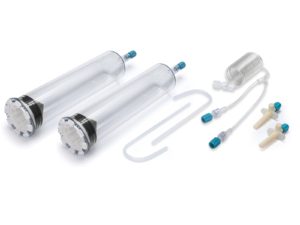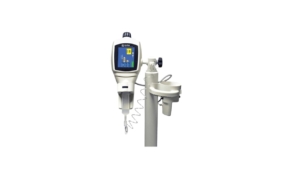
Medical injection systems represent a critical investment, and injector tubing and syringes sit at the center of that decision, where initial cost savings can mask substantial long-term expenses. Healthcare facilities purchasing budget-tier tubing and syringes encounter hidden costs that include equipment failure, compromised patient safety, and escalating maintenance expenses that undermine operational efficiency. A partner focused on contrast injector repair and maintenance helps facilities catch these cost drivers before they escalate.
Below, you’ll find a full breakdown of how material quality affects dosing accuracy, contamination risk, and patient compliance across premium, mid-range, and budget components. The selection between these tiers extends beyond immediate pricing considerations, creating financial consequences that persist throughout equipment lifecycles.
Key Takeaways
- Premium injector components cost $1.50–$3.50 per unit compared to budget options at $0.35–$0.75, but prevent costly equipment failure and patient complications
- Coiled tubing offers superior spatial efficiency and kink resistance, while straight tubing provides minimal flow resistance for high-velocity applications
- Prepackaged syringe kits reduce preventable adverse drug events from 1.39 to 0.73 per 100 administrations, saving facilities up to $696,551 annually
- Low-quality materials cause patient discomfort (8.8% severe cases versus 0% with premium systems), directly reducing treatment adherence
- Hidden costs from dosing errors, contamination risks, and maintenance expenses exponentially exceed budget component savings
Injector Tubing and Syringes Span Three Distinct Quality Tiers
Medical injection components exist across three distinct quality tiers with significant performance differences. Understanding common pitfalls when purchasing contrast media injector consumables helps facilities avoid costly procurement mistakes.
Each tier addresses specific clinical requirements and budget constraints while delivering measurably different outcomes. Premium materials provide superior barrier properties and integrated safety mechanisms, while budget options sacrifice reliability for lower upfront costs.
| Quality Tier | Core Materials | Cost Range | Key Characteristics |
| Premium | Cyclo-Olefin-Polymer, high-grade borosilicate glass, silicone-coated fine-gauge needles | $1.50–$3.50+ per unit or meter | Integrated safety mechanisms, minimal oxygen permeation, glass-like transparency |
| Mid-Range | Standard medical-grade plastics, standard glass formulations | $0.75–$1.50 per unit or meter | Adequate sterility, standard calibration markings, moderate pricing |
| Low-Quality Budget | PVC with DEHP plasticizers, lower-grade plastics | $0.35–$0.75 per unit or meter | Prone to bending and breaking, higher risk of compromised sterility seals |
Premium Quality Materials and Features
Premium Quality Tier materials include Cyclo-Olefin-Polymer (COP), high-grade borosilicate glass, and silicone-coated fine-gauge needles. Premium features include integrated safety mechanisms such as automatic needle retractors that reduce needlestick injuries.
Premium materials feature superior barrier properties, glass-like transparency without breakability, and minimal oxygen permeation. Premium Quality Tier cost range spans $1.50 to $3.50+ per unit or meter.
Mid-Range Quality Specifications
Mid-Range Quality Tier materials include standard medical-grade plastics and standard glass formulations. These components provide reliable performance with adequate sterility and standard calibration markings.
Mid-Range Quality Tier cost range spans $0.75 to $1.50 per unit or meter. This tier balances acceptable performance with moderate pricing for facilities managing constrained budgets.
Characteristics of Low-Quality Budget Components
Low-Quality Budget Tier materials include Polyvinyl chloride (PVC) with DEHP plasticizers and lower-grade plastics. Low-Quality Budget Tier cost range spans $0.35 to $0.75 per unit or meter.
PVC tubing containing toxic DEHP raises health concerns, leading to declining usage rates. Low-quality materials are more prone to bending, breaking, or compromised sterility seals that necessitate replacement.
Injector Tubing and Syringes Perform Differently in Coiled and Straight Configurations
Coiled and straight tubing configurations deliver distinct performance characteristics affecting fluid dynamics and spatial requirements. Selecting appropriate tubing geometry requires matching design features to specific contrast power injector syringes and tubing applications.
Tubing configuration directly impacts flow resistance, spatial efficiency, and kink resistance in clinical settings. Each design serves specialized functions that optimize device performance for particular medical applications.
Fluid Dynamics and Flow Resistance
Coiled tubing has moderate flow resistance, with slightly higher resistance than straight configurations. Straight tubing offers the path of least resistance, ensuring maximum flow rates with minimal pressure drops.
The coiled design can slightly increase flow resistance due to the longer path fluids must travel. Straight tubing remains preferred for short channels and high-velocity flow applications requiring rapid medication delivery.
Spatial Efficiency and Application Suitability
Coiled tubing has high spatial efficiency, while straight tubing has low spatial efficiency, requiring linear space. The coiled design increases effective tubing length without requiring a larger physical footprint.
Coiled tubing has excellent temperature control, maximizing surface area, while straight tubing has standard temperature control. Coiled tubing has high kink resistance and is often reinforced, whereas straight tubing has moderate kink resistance and is prone to kinking if bent.
Consumer and Healthcare Provider Preferences
The autoinjector was preferred by 76.9% of patients immediately after use and by 71.4% two weeks later. These preference rates reflect superior ease of use and reduced injection discomfort.
94.5% of users found the autoinjector extremely easy or easy to use compared to 73.6% for standard prefilled syringes. Women show a higher likelihood of utilizing advanced health technologies compared to men.
Prepackaged Syringe Kits Outperform Individually Sourced Components
Prepackaged syringe kits deliver measurable operational advantages over individually sourced vials and syringes. The transition from traditional component assembly to integrated CT injector syringes and tubing kits represents a significant efficiency improvement.
While per-unit costs appear higher, comprehensive economic analysis reveals substantial net savings. These savings emerge from reduced labor time, decreased drug wastage, and fewer medication errors.
Market Growth and Adoption Trends
The global prefilled syringes market was valued at USD 8.47 billion in 2024 and is projected to reach USD 18.73 billion by 2032. The market exhibits a CAGR of 10.8%, driven by aging populations and chronic disease prevalence.
North America accounts for 38.60% of global market revenue in 2025. Advanced healthcare infrastructure and high biologics adoption rates fuel regional market leadership.
Economic and Operational Benefits
An ICU administering 30 daily doses saved $729,912 annually for atropine and $786,502 annually for epinephrine after switching to prefilled systems. Prefilled kits save up to $89,744 annually for high-cost drugs by eliminating wastage.
Hospital staff preparation time decreased by up to 285 hours annually per ICU with prepackaged solutions. The per-unit cost of prepackaged syringe kits is generally higher than the combined cost of individually sourced vials and syringes, yet holistic economic impact favors integrated systems.
Demographic and Geographic Usage Patterns
Adults aged 30-50 show the highest rates of health technology usage, including advanced self-injection devices. This demographic demonstrates greater comfort with technology-enabled healthcare solutions and self-administration protocols.
Urban centers in North America lead in prepackaged kit adoption due to specialized pharmacy concentrations. Geographic adoption patterns correlate with chronic disease management program availability and healthcare infrastructure density.
Low-Quality Components Generate Hidden Costs Through Multiple Failure Pathways
Low-quality tubing and syringes create hidden costs through multiple failure pathways that compromise clinical outcomes. These budget components generate expenses far exceeding initial savings through equipment failure, patient safety incidents, and maintenance expenses. Left unaddressed, these gaps can lead to patient harm and rising hospital errors across the facility.
The financial impact extends beyond replacement costs to include adverse patient events and operational disruptions. Contrast power injectors require reliable consumables to maintain performance standards and prevent costly downtime. Health systems that rely on substandard consumables also face a higher risk of diagnostic errors during time-sensitive procedures.
Impact on Patient Comfort and Compliance
Low-quality syringes often have thicker needles or rougher surfaces, leading to pain during injection. Pain directly correlates with reduced treatment adherence, creating long-term health deterioration and escalating medical costs. These lapses often trace back to unsafe injection practices that raise the likelihood of medical errors during routine medical interventions.
Severe discomfort was reported by 8.8% of users with standard syringes compared to 0% with premium autoinjectors. Patient discomfort translates directly into non-compliance rates that compromise treatment effectiveness. Outcomes like these qualify as patient safety events that strong health care quality programs are built to prevent.
Risks of Dosing Inaccuracies and Contamination
Cheaply manufactured syringes may feature poorly calibrated markings that compromise dosing precision. Imprecise dosing can lead to severe adverse events requiring emergency intervention in conditions like diabetes and oncology. Errors of this kind represent medication-related harm that a well-run health care system works continuously to eliminate.
Compromised sterility seals in low-quality materials increase contamination risks during medication administration. Single contamination incidents generate costs exponentially higher than premium component investments. Contamination of this kind is one of the clearest safety hazards in injectable care and can contribute directly to health care-associated infections.
Long-Term Healthcare and Safety Consequences
Reduced adherence leads to deteriorating patient health and increased long-term medical costs, affecting entire care continuums. Understanding the full guide to contrast media injector consumables helps facilities recognize quality imperatives. Facilities that function as high-reliability organizations build redundancy into every stage of the supply chain to prevent these consequences.
The cost of treating a single hospital-acquired infection or needlestick injury exponentially eclipses savings from purchasing budget syringes. These incidents create liability exposure, regulatory scrutiny, and reputational damage beyond direct financial impacts. A strong safety culture, reinforced across interdisciplinary teams, helps catch these risks before they ever reach the patient.
Procurement Decisions Must Balance Cost, Quality, and Patient Safety
Procurement decisions must integrate the total cost of ownership rather than focusing solely on unit pricing. Facilities that establish comprehensive evaluation frameworks achieve an optimal balance between fiscal responsibility and patient safety. Applying sound quality improvement principles to every procurement decision keeps that balance consistent over time.
Strategic procurement requires analyzing equipment lifecycle costs, regulatory compliance requirements, and patient outcome data. How often should you replace contrast media injector consumables directly impacts long-term cost calculations.
Evaluating Cost Versus Value
Total cost analysis must include medication waste rates, adverse event prevention, and labor efficiency gains. Initial price advantages disappear when facilities calculate the complete financial impact across operational lifecycles. Building medication safety into procurement decisions from the outset reduces downstream costs tied to preventable errors.
Premium components deliver measurable value through reduced equipment failure, fewer patient complications, and decreased maintenance expenses. Value-based purchasing considers long-term outcomes rather than short-term budget pressures.
Aligning Product Selection With Clinical Needs
Component selection should match specific clinical requirements and patient population characteristics. High-risk procedures requiring precise dosing demand premium materials with superior calibration accuracy and contamination resistance. This selection process should always reflect current patient safety requirements set by clinical leadership and regulatory bodies.
Clinical complexity directly influences appropriate quality tier selection for injector consumables. Facilities treating vulnerable populations or administering high-cost medications require premium-grade components to ensure patient safety. Meeting recognized patient safety standards is not optional when vulnerable populations are involved.
Minimizing Risks Through Quality Assurance
Evaluating a reliable contrast media supplier ensures consistent product quality and supply chain reliability. Quality assurance protocols must verify material certifications, sterility standards, and manufacturing consistency. Facilities and medical laboratory professionals alike depend on this kind of supplier verification to maintain laboratory safety at every point of contact with injectable consumables.
Regular quality control testing for contrast power injectors maintains accuracy and calibration standards throughout equipment lifecycles. Comprehensive quality programs prevent costly failures and ensure regulatory compliance. Ongoing testing functions as one of the patient safety evaluation systems that facilities rely on to confirm equipment remains within tolerance.
Tubing Design Shapes Device Efficiency and Patient Outcomes
Tubing design fundamentally affects device performance, medication delivery accuracy, and patient safety outcomes. Proper tubing selection optimizes fluid dynamics while minimizing contamination risks and equipment failure rates. Reliable tubing design directly supports patient-centered care by protecting patients from avoidable device-related complications.
Configuration choices between coiled and straight tubing influence spatial requirements, flow resistance, and thermal management capabilities. Each design serves specific applications where its characteristics deliver optimal performance.
When to Use Coiled Tubing
Coiled tubing is a highly specialized material well-suited for medical applications, particularly in fluid and gas transfer devices. Its compact configuration maximizes effective length while minimizing physical footprint requirements in space-constrained environments.
Coiled tubing applications include dialysis machines, ventilators, and portable injection systems requiring thermal control. The extended surface area provides superior temperature regulation and enhanced kink resistance through reinforced construction.
Straight Tubing Application Scenarios
Straight tubing is utilized in standard IV gravity setups and short-distance catheter connections. This configuration minimizes flow resistance for applications requiring maximum delivery rates with minimal pressure drops.
Short-channel applications benefit from straight tubing’s simplified fluid pathways and reduced turbulence. High-velocity medication delivery protocols typically specify straight configurations for optimal performance.
Integration With Modern Injection Devices
Modern injection devices increasingly incorporate specialized tubing designs matching specific clinical requirements. Advanced autoinjectors utilize compact coiled configurations that enhance portability while maintaining delivery precision.
Integration considerations include material compatibility, flow rate requirements, and safety mechanism functionality. Device manufacturers specify tubing parameters that optimize overall system performance and reliability. Facilities that follow a plan to extend the life of their contrast injector equipment get more consistent results from every tubing configuration they use.
Prepackaged Syringe Kits Enhance Healthcare Efficiency and Safety
Prepackaged syringe kits transform healthcare delivery by eliminating preparation steps that introduce errors and waste. These integrated systems deliver consistent medication doses while reducing labor requirements and contamination risks.
Facilities adopting prepackaged solutions report measurable improvements in patient safety metrics and operational efficiency. Standardized kits eliminate variable preparation techniques that contribute to adverse drug events. Staff trained to recognize the warning signs of injector wear add another layer of protection when paired with prepackaged, error-resistant components.
Reducing Drug Wastage and Preparation Time
Traditional methods discard 20-50% of prepared doses due to overfill requirements and multi-dose vial limitations. Prepackaged kits deliver precise single-dose units that eliminate wastage for expensive medications.
Labor efficiency gains reach 285 hours annually per ICU through the elimination of manual preparation steps. Reduced preparation time allows clinical staff to focus on direct patient care rather than medication assembly.
Preventing Adverse Drug Events
Preventable Adverse Drug Events (pADEs) are medication errors that can be prevented through proper systems and equipment. Prefilled syringes reduced pADEs from 1.39 to 0.73 per 100 administrations in controlled studies.
The reduction in pADEs saved an estimated $696,551 annually per facility. Error prevention delivers both financial benefits and improved patient safety outcomes across healthcare systems.
Supporting Self-Injection and Home Care
Prepackaged systems enable safe self-administration for patients managing chronic conditions at home. Simplified preparation and integrated safety features reduce errors in unsupervised environments.
Home-based care adoption accelerates as prepackaged technologies improve usability and reliability. Patient preference data show 76.9% favor autoinjector systems over traditional syringes for self-administration.
Strategic Insights on Managing Hidden Costs of Low-Quality Injector Tubing and Syringes
Healthcare facilities must adopt comprehensive procurement strategies that prioritize total cost of ownership over initial unit pricing. Evidence demonstrates that premium materials prevent equipment failure, dosing errors, and patient safety incidents that generate exponential downstream costs.
Facilities should transition from individually sourced components to prepackaged syringe kits that eliminate preparation errors and medication waste. Premium-tier components featuring Cyclo-Olefin-Polymer materials and integrated safety mechanisms deliver measurable reductions in adverse events while improving patient compliance through reduced injection discomfort.
Strategic procurement requires matching tubing configuration to specific clinical applications, selecting coiled designs for portable devices and straight configurations for high-velocity delivery systems. Organizations like Spectrum Medical Imaging Co. provide comprehensive guidance on quality assurance protocols and equipment lifecycle management that help facilities avoid hidden costs while maintaining regulatory compliance.
Quality-focused procurement ultimately delivers superior patient outcomes, operational efficiency, and long-term cost savings that transform initial price disadvantages into strategic advantages. Healthcare systems that invest in premium injector consumables protect both patient safety and financial performance across the entire care continuum.
Partner With a Trusted Source for Injector Consumables
Reliable injector tubing and syringes protect patients, reduce medication-related harm, and keep procurement costs predictable across the full equipment lifecycle. If your facility is ready to move beyond budget-tier components and toward consumables built around health care quality, patient safety standards, and consistent equipment performance, become a customer, contact Spectrum Medical Imaging Co. Call 800-859-6162 or reach out through our contact page to speak with a member of our team about the right injector tubing and syringe solutions for your facility.
Frequently Asked Questions
Q1. How much more do premium injector tubing and syringes cost compared to budget options?
A. Premium injector tubing and syringes typically cost $1.50 to $3.50 or more per unit, compared to $0.35 to $0.75 for budget-tier components. That price gap looks large on a purchase order, but it narrows quickly once facilities factor in equipment failure, patient complications, and replacement frequency tied to lower-grade materials. Mid-range options, priced between $0.75 and $1.50, offer a middle path for facilities managing tighter budgets. The right choice depends on clinical risk level and how often a facility can absorb unplanned downtime.
Q2. Can low-quality syringes cause patient harm during contrast injection procedures?
A. Yes. Poorly calibrated markings on cheaply manufactured syringes can compromise dosing precision, and compromised sterility seals raise contamination risk during administration. Severe discomfort was reported by 8.8% of users with standard syringes, compared to 0% with premium autoinjectors, which directly affects treatment adherence. These issues qualify as patient safety events that facilities work to prevent through material quality standards and supplier verification.
Q3. How often should injector tubing and syringes be replaced?
A. Single-use parts like syringes should be replaced after every patient, while tubing, seals, and adapters depend on scan volume and manufacturer guidance. High-volume imaging centers often replace tubing daily or per shift to reduce wear-related failures. Facilities should log every replacement as part of a preventive maintenance routine rather than waiting for visible signs of damage. Waiting too long increases the risk of leaks, pressure drops, and inaccurate dosing during a scan.
Q4. Are prepackaged syringe kits worth the higher per-unit cost?
A. In most cases, yes. While prepackaged kits cost more per unit than individually sourced vials and syringes, they reduced preventable adverse drug events from 1.39 to 0.73 per 100 administrations in controlled studies, saving facilities up to $696,551 annually. Prepackaged kits also cut hospital staff preparation time by up to 285 hours annually per ICU. For facilities managing high patient volumes or expensive medications, the labor and waste savings typically outweigh the higher sticker price.
Q5. How do I find a reliable supplier for injector tubing and syringes?
A. Look for a supplier that verifies material certifications, sterility standards, and manufacturing consistency for every batch, not just at onboarding. Ask about quality control testing procedures and how the supplier handles calibration and compliance documentation for contrast power injectors. Spectrum Medical Imaging Co. works with facilities nationwide to source injector tubing and syringes that meet these standards, backed by 30+ years of experience serving hospitals, imaging centers, and specialty clinics. A dependable supplier should also offer consistent nationwide shipping to help prevent supply gaps mid-procedure.